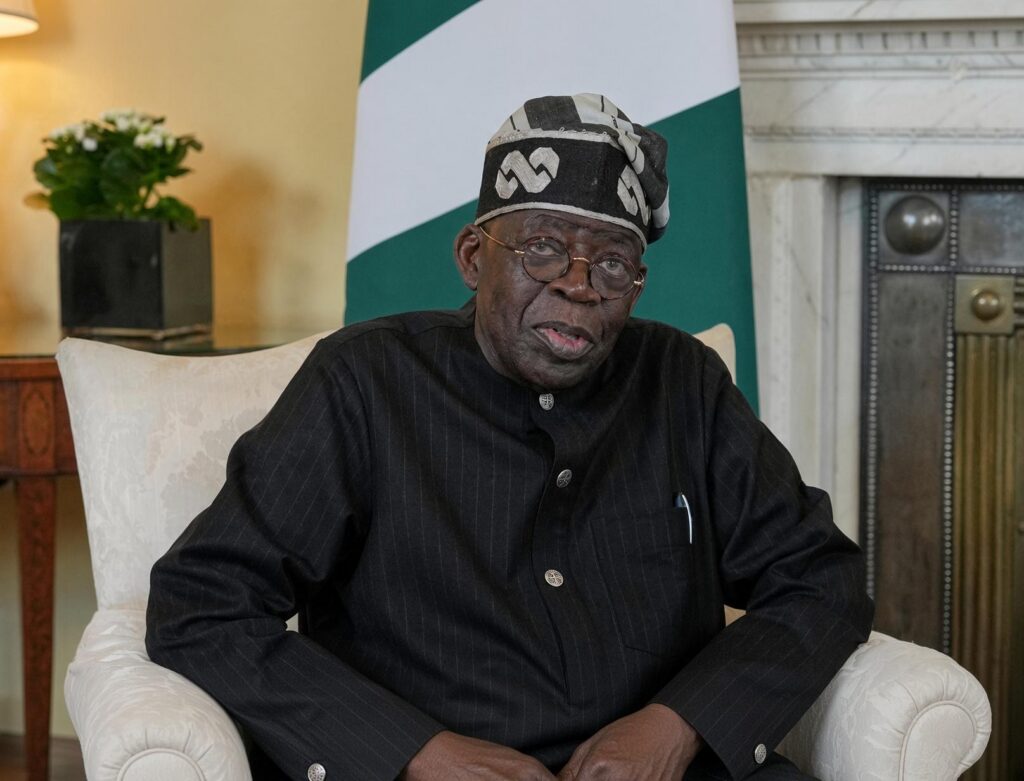
From promises to action: police’s bold strategy for Nigeria’s presidential vote
As Nigeria braces for a pivotal presidential election, the spotlight has fallen squarely on election security—a concern amplified by widespread public anxiety and international scrutiny. With recurring fears of political violence, electoral fraud, and regional instability threatening to undermine the credibility of the vote, the Nigeria Police Force (NPF) has thrown its weight behind an unprecedented security initiative, signaling a potential turning point in how elections are conducted across Africa’s most populous nation.
The pledge of impartiality: a non-negotiable commitment
At the helm of this initiative, Inspector-General of Police Olatunji Disu has taken bold steps to distance the NPF from past allegations of bias, pledging absolute neutrality throughout the electoral process. To reinforce this stance, internal audits led by Deputy Commissioner of Police Anthony Placid will scrutinize officer conduct, with stringent disciplinary measures promised for any deviation from impartiality. The message is clear: the police force is determined to operate with unwavering fairness, from campaign rallies to vote counting.
A fortified security blueprint targeting hotspots
The NPF’s strategy isn’t just rhetoric—it’s a multi-layered plan designed to neutralize threats before they escalate. Recognizing the diverse security challenges—ranging from banditry in the Northwest to jihadist insurgencies in the Northeast and separatist tensions in the Southeast—the police have outlined a robust deployment plan:
- Heavy presence around polling stations: Massive mobilization of personnel to deter ballot stuffing, electoral material theft, and voter intimidation.
- Mobile patrol reinforcement: Securing critical road networks and strategic vote-counting centers to maintain order and prevent disruptions.
- Inter-agency collaboration: Seamless coordination with the Nigerian Armed Forces, headed by Chief of Army Staff Waidi Shaibu, the Nigeria Security and Civil Defence Corps (NSCDC), and intelligence services led by National Security Adviser Nuhu Ribadu to lock down high-risk zones.
This collaborative approach aims to create a protective shield around the electoral process, leaving little room for interference.
Tech-driven vigilance: tackling vote-buying head-on
Beyond physical security, the NPF is leveraging technology to combat one of Nigeria’s most persistent electoral malpractices: vote-buying. Under the guidance of Minister of Police Affairs Ibrahim Gaidam, the force is rolling out advanced digital monitoring tools and operational intelligence to dismantle vote-buying networks. Dedicated anti-corruption units will work alongside investigators to ensure that financial incentives don’t distort the will of the electorate.
Can the police deliver? Public trust hangs in the balance
While the NPF’s commitments have sparked cautious optimism, skepticism lingers among civil society leaders and opposition figures. The true test will unfold on election day: will the force’s plans translate into tangible security, or will old patterns of inefficiency and compromise resurface? Observers emphasize that the election’s credibility hinges on the police’s ability to safeguard every voter’s right to participate freely—without fear or coercion.
One thing is certain: Nigeria stands at a crossroads. The success of this security strategy could redefine not only the outcome of the presidential election but also the future of democratic trust in the country.
The moment of truth approaches
As the election draws near, the pressure is mounting—not just on candidates and voters, but on the institutions entrusted with protecting the process. The Nigeria Police Force has made its intentions clear: neutrality, vigilance, and zero tolerance for electoral malpractice. Whether this momentum can sustain itself through to the finish line remains the defining question of this high-stakes moment in Nigeria’s democratic journey.
More Stories
Niger’s military restructuring sparks high-stakes financial and political power struggle
Mali’s strategic pivot: why Bamako is quietly welcoming Washington back
Mali’s drone war: a turning point in civilian deaths and accountability