
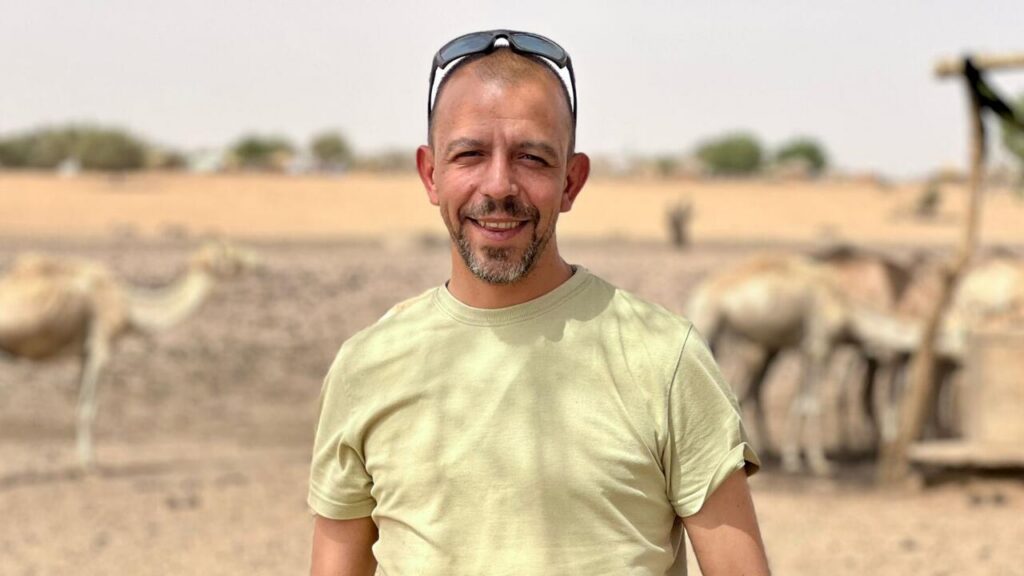
In an extraordinary account, Belgian-Portuguese researcher Joseph Figueira shares his two-year ordeal in Central African captivity. Arrested precisely two years ago in Zemio, a town in southeastern Central African Republic, Figueira was released on April 7th for humanitarian reasons. His detention raises critical questions: Was his capture accidental, or was he deliberately targeted for political propaganda? Did he face his final moments in the shadowy prisons of Wagner mercenaries or in Central African detention facilities?
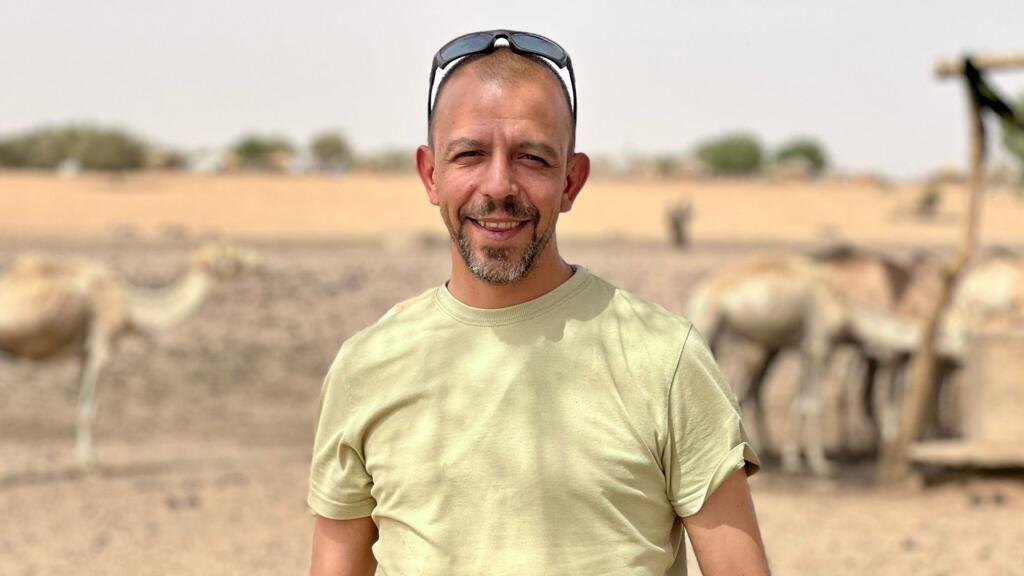
Now recovering with his family in Portugal, Figueira opens up about his experiences in an exclusive interview. His reflections provide a chilling glimpse into the brutal realities of detention in a conflict zone, where survival seemed impossible at times. From the moment of his arrest to his eventual release, his story is one of resilience amid chaos.
From Arrest to Survival: A Two-Year Nightmare
Figueira’s ordeal began in Zemio, where he was seized under circumstances that remain unclear. His detention in the Central African Republic’s harshest prisons, alongside the shadowy operations of Wagner-linked forces, painted a grim picture of his captivity. In his own words, “In Bria, I truly believed I would not survive.”
The conditions he endured raise pressing humanitarian concerns. His release, granted for compassionate reasons, offers a rare insight into the often-overlooked plight of foreign nationals caught in regional conflicts. Figueira’s account underscores the vulnerability of researchers and aid workers operating in unstable environments.
Political Propaganda or Random Targeting?
The circumstances of Figueira’s arrest remain shrouded in ambiguity. Was he a deliberate pawn in a larger political game, or did his detention result from the chaotic nature of conflict zones? His story forces a reevaluation of the risks faced by international workers in conflict-affected regions.
As Figueira rebuilds his life in Portugal, his testimony serves as a stark reminder of the human cost of war and the fragile boundaries between research, aid, and political exploitation in the Central African Republic.


More Stories
Niger: Tiani faces fallout from special forces anger after Russian intervention
Crisis in Niger, IMF agreement in Sénégal, and Moroccan elections: Five essential stories
RDC-Israël : un rapprochement aux enjeux multiples