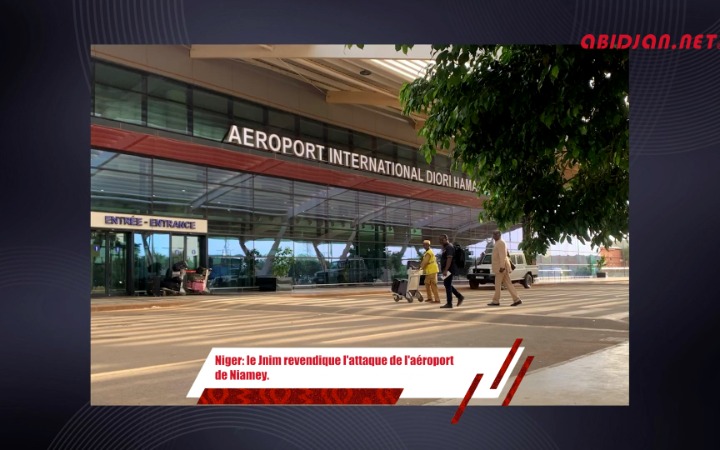
Junta in Niger claims responsibility for Niamey airport assault
The Movement for Justice and Jihad in West Africa (JNIM) has taken credit for the recent attack on Niamey’s international airport, according to a statement attributed to the group. This bold claim underscores the persistent security challenges facing Niger amid ongoing regional instability.
The assault on the airport, a critical infrastructure hub, has drawn international attention to the escalating threats posed by armed factions operating in the Sahel. While authorities have yet to provide a detailed response, the incident highlights vulnerabilities in the country’s defense and security apparatus.
Understanding the attack and its implications
Niamey’s airport serves as a vital link for both civilian and military operations, making it a prime target for militant groups seeking to disrupt governance and security in Niger. The timing of the attack suggests a calculated move to destabilize the region further, particularly as neighboring countries grapple with similar threats.
Security analysts warn that such incidents could deter foreign investments and cooperation in Niger, complicating efforts to stabilize the country. The airport’s strategic importance cannot be overstated, as it facilitates humanitarian aid, trade, and military logistics essential for counterterrorism operations.
Regional dynamics and the rise of militant groups
The JNIM, a coalition of Islamist factions linked to al-Qaeda, has emerged as a dominant force in the Sahel, exploiting porous borders and weak governance in countries like Niger. Their ability to launch coordinated attacks, including those on high-profile targets like airports, underscores the growing sophistication of these groups.
In recent months, Niger has faced mounting pressure to bolster its security measures, but the attack on Niamey’s airport demonstrates the persistent challenges. The international community continues to monitor the situation closely, as the fallout from such incidents could have far-reaching consequences for regional stability.
As Niger navigates this crisis, the government’s response will be critical in determining whether the country can regain control over its security and restore confidence in its ability to protect civilians and infrastructure.