Kinshasa’s pulse weakens as opposition pushes for constitutional resistance
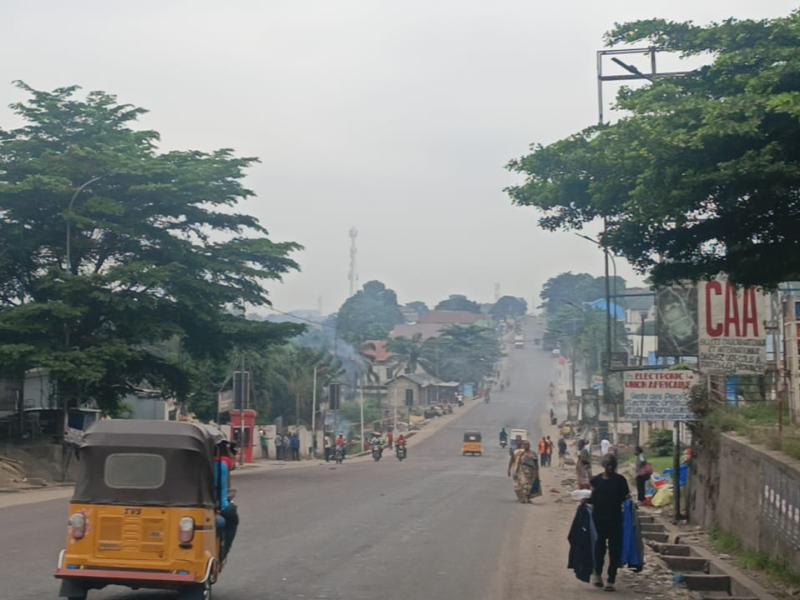
This morning in Kinshasa, the capital of the Democratic Republic of the Congo, the city’s usual vibrant rhythm has ground to a near halt. The opposition’s call for a ‘dead city’ protest has resonated across several neighborhoods, prompting residents to stay indoors and businesses to close their doors. The protest aims to reject the government’s proposal to amend the Constitution, a move seen by critics as an attempt to extend the current leadership’s mandate.
Empty streets and silent markets
By dawn, the streets of Kinshasa should already be bustling with activity, but today they remain eerily quiet. Taxis are scarce, and the few visible ones appear hesitant to pick up passengers. Schools, typically alive with students at this hour, stand empty. Markets that usually teem with buyers are shuttered, their vendors nowhere to be found. Even the usually crowded Intendance Road near the University of Kinshasa, a hotspot for student and commuter traffic, is deserted. At 7:50 AM, the absence of the usual human tide is glaring.
Heightened security presence
Security forces have significantly increased their presence in key areas. Police vehicles are stationed along major roads, including Bypass Avenue and the Ngaba roundabout, which is typically one of the busiest in the city. In Limete, a commune known for its heavy traffic on Lumumba and Poids Lourds boulevards, the streets are unusually calm. Public transport is nearly nonexistent; only one bus was operational until 7:00 AM, according to a resident from the Tshangu district. Many vehicle owners have chosen to keep their cars off the roads to avoid potential disturbances.
Community response
In Limete, police patrols are frequent, and officers are positioned at strategic points, including the first street. The overall atmosphere is tense but orderly, as residents comply with the opposition’s call while security forces maintain a watchful eye. The protest, though largely peaceful, reflects growing public concern over the constitutional changes proposed by the government.
The situation remains fluid, with authorities urging calm and calling on the population to go about their daily activities freely. However, for now, Kinshasa’s streets tell a different story—a city paused in quiet resistance.