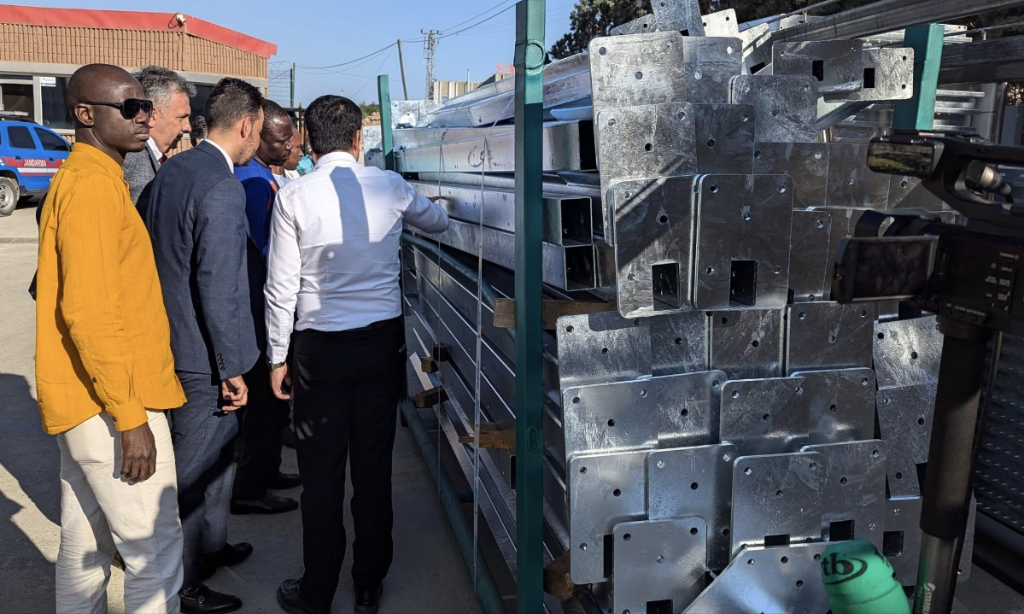
The announcement of the 15,000-seat stadium in Koudougou has sparked nationwide conversation—less about the structure’s grandeur, and more about the financial mysteries shrouding its construction. As plans accelerate, citizens and businesses alike are left questioning: who will ultimately bear the cost of this multi-million-dollar sports investment?
Behind the grand vision: financial realities remain unanswered
Designed under Burkina Faso’s Initiative présidentielle pour la relève et la promotion de l’élite sportive (IP-RELIS), the new Koudougou stadium is positioned as a cornerstone for nurturing emerging talent and boosting national sports infrastructure. But despite the high-profile launch, a critical question lingers: how exactly will the project be funded?
Publicly available documents lack clarity on crucial details: the estimated total cost, allocation of funds, potential foreign contributions, and whether the government will rely solely on domestic resources. While officials inspected the construction site in October 2026—and contractors claim groundbreaking is imminent—the financial blueprint remains incomplete. Without access to verifiable contracts or official statements, the true funding model remains speculative.
Integral Sport steps into the spotlight amid funding ambiguity
While Turkish construction firm Integral Sport has been named as the lead contractor, collaborating with Agence Faso Mêbo, its role doesn’t automatically equate to financial responsibility. Integral Sport has prior experience building similar stadiums in the region, including the 15,000-seat stadium in Bobo-Dioulasso, yet its inclusion in the project raises questions:
- Is the company solely providing construction services under a government-funded contract?
- Could an external financing partner—such as a bank, development fund, or sovereign investor—be involved?
- Will the funding structure include public-private partnerships or concessional loans?
The lack of published financial agreements makes it impossible to determine whether the stadium is bankrolled by Burkina Faso’s national budget, a foreign entity, or a hybrid funding mechanism. This opacity risks distorting public trust in the project’s legitimacy and long-term viability.
Faso Mêbo and the State: institutional roles vs. financial commitments
As a government-sponsored initiative led by IP-RELIS, the stadium falls under the purview of national sports authorities. Yet, institutional involvement does not automatically translate to full financial backing. Faso Mêbo, the national sports infrastructure agency, is expected to play a collaborative role, but its exact contributions—whether through labor, materials, or direct cash outlays—remain unspecified.
Nor is it clear whether Burkina Faso’s central government will fully underwrite the project. While presidential initiatives often signal state-level commitment, they rarely reveal the full financial extent. Until official budget allocations, loan agreements, or construction contracts are disclosed, the extent of public funding cannot be confirmed. This ambiguity creates uncertainty for local businesses, contractors, and citizens who may end up shouldering indirect costs through taxes or service adjustments.
The public’s right to clarity: missing transparency elements
A project of this scale demands financial transparency to ensure accountability and public scrutiny. Key disclosures would include:
- The total estimated cost and breakdown of expenses (construction, equipment, contingencies)
- The source of funds—domestic, foreign, or mixed—and whether loans will be involved
- Any financing agreements with international partners or development banks
- The tender process details and how the contract was awarded to Integral Sport
- The project timeline and disbursement schedule
Without these details, citizens cannot assess whether public funds are being used responsibly or whether Burkina Faso is taking on unsustainable debt. Transparency is not just a bureaucratic demand—it’s essential for maintaining social equity and trust in government-led development.
Waiting for answers: whose responsibility is financial accountability?
The burden of explaining the financial sources, costs, and timelines lies with the project’s key stakeholders: the Ministry of Sports, IP-RELIS leadership, Faso Mêbo, and Integral Sport. Their silence so far leaves a vacuum that fuels speculation and skepticism.
Without open access to financial records or contractual documents, the public is left in the dark about the true cost of Burkina Faso’s sports ambitions. Is this a milestone for national pride—or a financial gamble that could strain public resources? Until clear answers emerge, the financing of the Koudougou stadium remains one of the most pressing unanswered questions in the country’s infrastructure future.