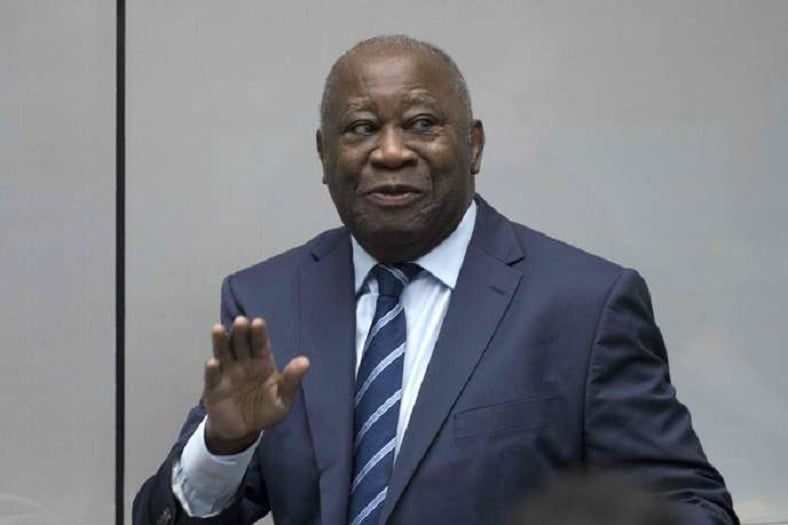
Laurent Gbagbo remains at the helm of his Ivorian political party
After initially signaling his intention to step down, former Ivorian president Laurent Gbagbo has been re-elected as leader of the Parti des peuples africains – Côte d’Ivoire (PPA-CI) during the party’s first ordinary congress. At nearly 81 years old, his leadership continues to resonate strongly with supporters, even as the party faces significant challenges following multiple electoral boycotts.
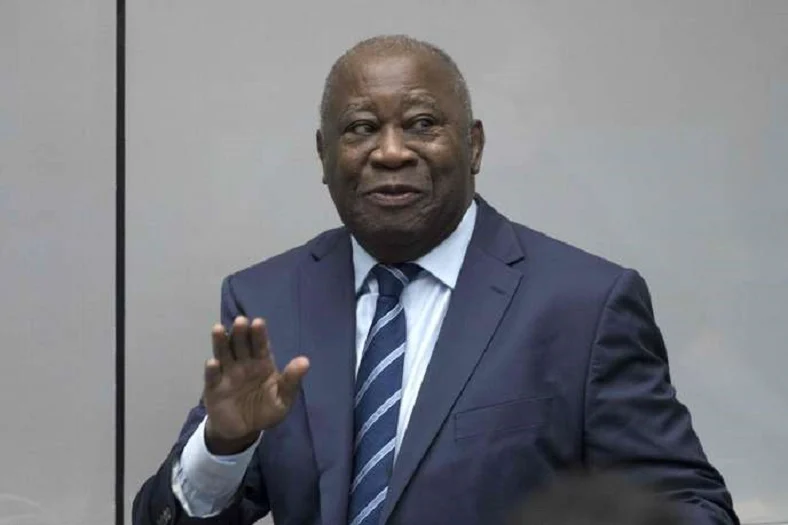
Party congress reaffirms Gbagbo’s leadership despite earlier retirement plans
During the closing session of the PPA-CI’s inaugural ordinary congress, delegates overwhelmingly reaffirmed Laurent Gbagbo as the party’s president. The decision, endorsed by acclamation the previous day, was met with enthusiastic applause as Gbagbo arrived at the Palais des Congrès de Treichville in Abidjan.
« I am delighted to be in this warm atmosphere, thank you all, » Gbagbo remarked in a brief address. His next public statement is scheduled for Saturday in Songon, a southern suburb of Abidjan.
Just months prior, in October 2025, Gbagbo—who will turn 81 on May 31—had publicly stated his intention to retire from political office and avoid holding further leadership roles. His re-election underscores the enduring influence he wields within the party despite his age and past legal setbacks.
Political fallout and party discipline
The PPA-CI’s decision to abstain from the October 2025 presidential election—due to Gbagbo’s ineligibility following a criminal conviction—left the party with no endorsed candidate. This strategic withdrawal was followed by a boycott of the December legislative elections, resulting in the party losing all parliamentary representation and retaining only a handful of municipal seats.
In response to dissent within the ranks, the party took decisive action against members who defied its directives. Ahoua Don Mello, who ran as an independent presidential candidate in 2025 against party instructions, was expelled. Meanwhile, Stéphane Kipré, who contested the legislative elections and won as an independent, received an 18-month suspension.
Growing divisions within the Ivorian left
The once-unified left-wing movement that Gbagbo represented during his presidency (2000–2011) has fractured significantly. Prominent figures such as his former spouse Simone Ehivet Gbagbo, longtime ally Charles Blé Goudé, and former Prime Minister Pascal Affi N’Guessan have distanced themselves from the PPA-CI, further weakening the party’s cohesion.
Future prospects hinge on electoral eligibility
Gbagbo’s political future remains tightly linked to his potential reinstatement on the electoral rolls—a process contingent upon a presidential amnesty. His successor, Alassane Ouattara, who assumed office in 2011 following a violent post-election crisis between their factions, holds the key to such a decision.
The PPA-CI’s recent congress not only reaffirmed Gbagbo’s leadership but also highlighted the party’s struggle to navigate a rapidly changing political landscape in Côte d’Ivoire.