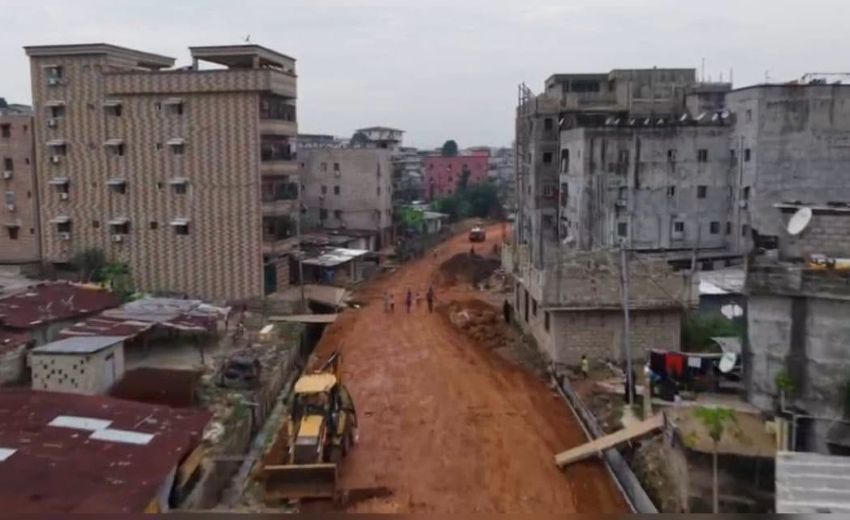
Libreville’s fight to reclaim its public spaces
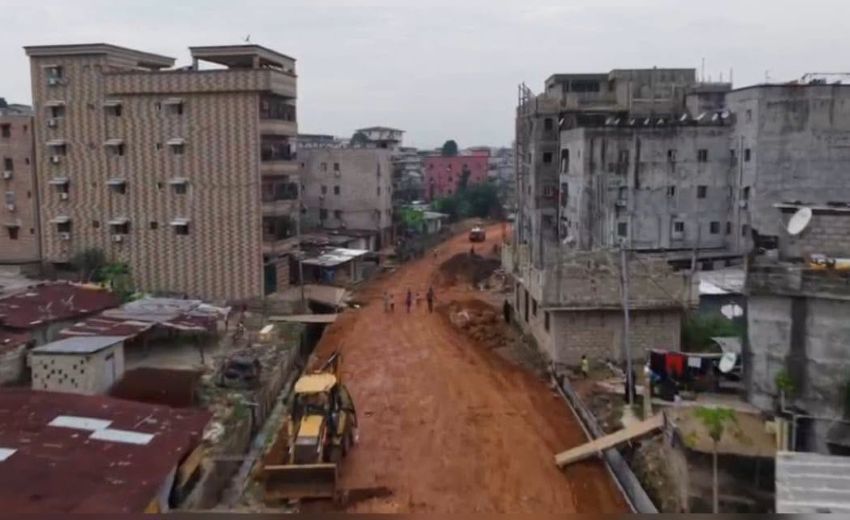
Libreville, July 13, 2026 — With the July 10 ultimatum issued by Mayor Eugène M’ba expiring in a matter of hours, the capital is bracing for a sweeping urban renewal campaign targeting unauthorized constructions and public space encroachments.
The municipality’s bold initiative aims to restore order to Libreville’s chaotic urban landscape. Over the years, sidewalks, intersections, and even major thoroughfares have been progressively transformed into makeshift markets, private extensions, and informal commercial hubs. The consequences are severe: clogged traffic arteries, compromised public health, and a tarnished image of a capital struggling to modernize.
While the necessity of action is widely acknowledged, the debate now centers on how to balance enforcement with sustainable solutions. A growing chorus of residents and urban planners argues that mere evictions and demolitions risk failing without addressing the root causes of urban disorder.
Beyond the cleanup: addressing the human dimension
Critics acknowledge the legitimacy of municipal authority but emphasize that lasting urban renewal requires more than just regulatory enforcement. Behind every illegally occupied sidewalk or unlicensed garage lies a complex web of socioeconomic challenges: youth unemployment, low household incomes, skyrocketing commercial rents, and a burgeoning informal economy that has nowhere else to go.
History shows that in cities across Africa—from Lagos to Kigali—quick-fix sanitation drives often lead to temporary improvements at best. Without relocating displaced vendors, providing affordable commercial spaces, or formalizing informal businesses, evicted traders frequently return, merely shifting the problem to new neighborhoods.
Building a city for everyone: the path forward
The campaign now unfolding in Libreville presents an opportunity to do more than just restore order. It could mark the beginning of a transformative urban contract between the city and its residents. Key steps include creating designated markets for small traders, reserving artisan zones, and establishing structured dialogue between municipal authorities and community stakeholders.
As urban planner Raphaël Mouissi-Ntoko notes, addressing symptoms without treating the disease achieves little. The challenge for Libreville is to prove that urban renewal can be both firm and inclusive—restoring public spaces while simultaneously fostering economic opportunities and social cohesion.
The stakes extend far beyond tidying up sidewalks. They touch on the very model of urban development Gabon’s capital aspires to embrace in the 21st century: one that harmonizes rapid demographic growth, economic vitality, and social equity. Libreville has taken decisive action to confront a crisis years in the making. The coming weeks will reveal whether this push for cleanliness and order can evolve into a lasting urban renaissance.