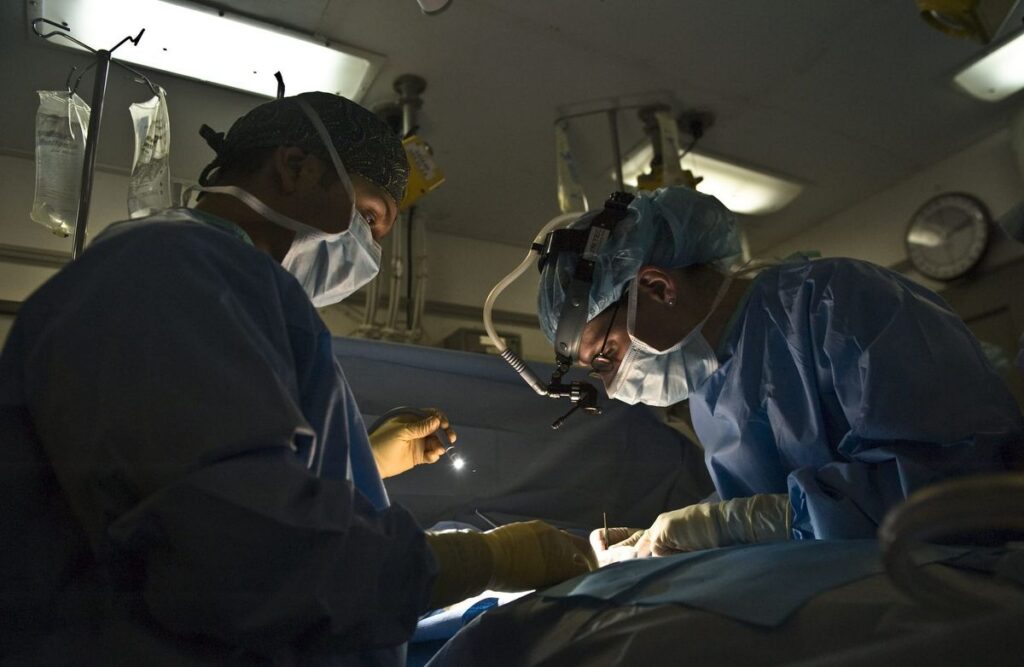
The Tribunal de Grande Instance in N’Djamena has delivered its ruling in a high-profile medical liability case involving a surgeon accused of involuntary homicide following the death of a 60-year-old patient during surgery.
courtroom arguments center on therapeutic risk
The defendant acknowledged the factual circumstances but denied any professional misconduct. His legal team built its defense around the concept of therapeutic risk—a principle well-established in modern medicine. They emphasized that every surgical procedure carries inherent dangers, even in advanced healthcare systems, and that the patient’s family had provided prior informed consent, evidenced by a signed waiver. The defense argued compellingly that no intent to harm existed, while also highlighting the surgeon’s long-standing reputation for excellence and dedication.
The prosecution, in its closing arguments, formally requested the surgeon’s acquittal. The state prosecutor contended that the evidence contained no proof of intentional wrongdoing or clear negligence directly linked to the fatal outcome. They cautioned against the growing trend of over-judicializing medical acts, warning that such an approach could erode trust between doctors and patients.
court delivers mixed verdict
In a unanimous decision, the court sided with the prosecution. The surgeon was fully acquitted of the involuntary homicide charge. However, the tribunal imposed a civil fine of 50,000 francs CFA—a decision whose precise legal justification, likely tied to procedural costs or minor civil liability, was not elaborated during the hearing.