The Mali-Algeria thaw: a strategic reset in the Sahel
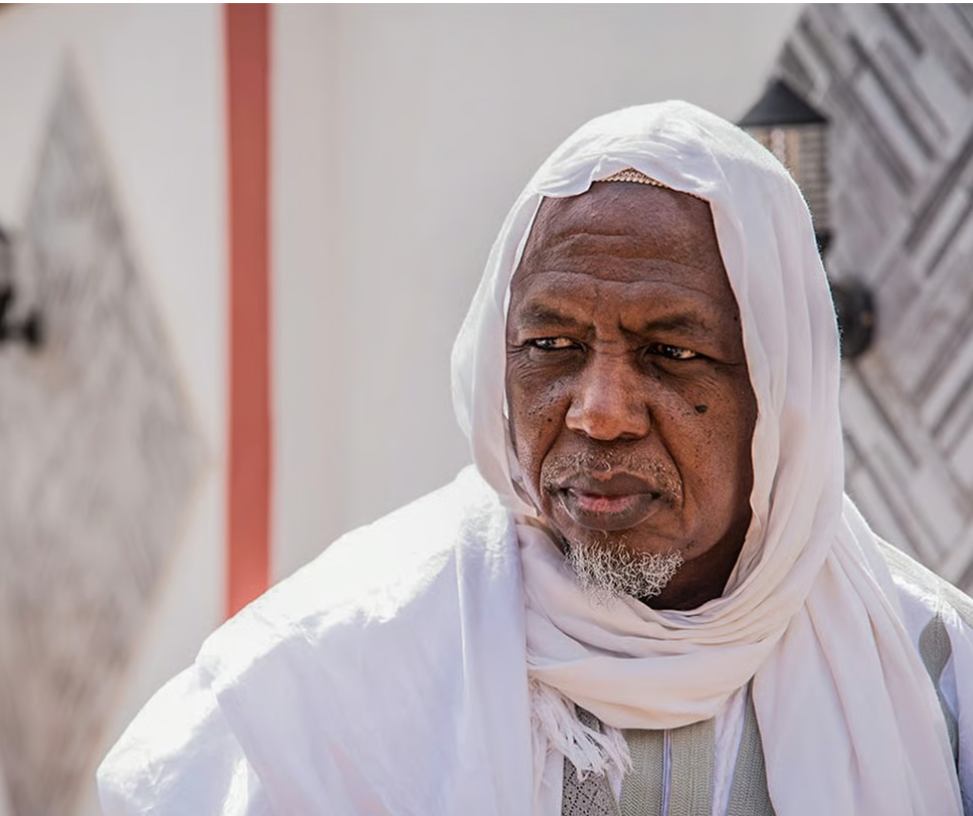
After fifteen months of unparalleled diplomatic standoff, Bamako and Algiers have formally restored their bilateral relations. This landmark rapprochement, marked by the reinstatement of ambassadors and the resumption of airspace access, reshapes the geopolitical map of West Africa. At the heart of this new geopolitical equation lies the future of Imam Mahmoud Dicko, Mali’s most influential socio-political figure currently living in exile. His destiny now hangs in the balance, caught between the necessity for dialogue and the nation’s democratic aspirations.
Roots of the crisis: a breakdown in trust
The thaw did not emerge from thin air. To grasp its significance, we must trace back to the origins of the discord that severed ties between these two neighbors for over a year. Late in 2023, political tensions escalated sharply. Bamako openly accused Algiers of meddling in its internal affairs, citing meetings held on Algerian soil with Tuareg rebel factions from northern Mali—without the consent of Malian transition authorities.
The breaking point came when Bamako formally abandoned the 2015 Algiers Agreement, a landmark peace accord with armed groups in the North. Algiers viewed this move as a direct affront to its regional peacebuilding efforts, prompting the mutual recall of ambassadors and the suspension of all air travel. For fifteen months, dialogue remained frozen, leaving a perilous security vacuum across the Sahel-Saharan belt.
Behind the scenes: how Bamako and Algiers thawed tensions
Recognizing that prolonged instability would serve neither nation, discreet diplomatic channels worked tirelessly behind the scenes to pave the way for reconciliation. The process began with mutual gestures of goodwill, culminating in a series of concrete steps that officially sealed the thaw:
- Ambassadors return home: Diplomatic envoys resumed their posts in Bamako and Algiers, reopening the official communication channels vital for managing border and security crises.
- Airspace reopens: Commercial and military flights resumed, symbolizing the restoration of economic and security flows between the two Sahelian giants.
- Security cooperation revived: With terrorist threats persisting, intelligence-sharing once again became a top priority to secure the 1,300-kilometer shared border.
This thaw underscores the maturity of regional diplomacy, proving that national pride can take a backseat when collective stability is at stake.
Imam Mahmoud Dicko: a voice for peace amid Mali’s transition
Against this backdrop of diplomatic realignment, the question of Imam Mahmoud Dicko’s future looms large. Exiled in Algeria since the crisis began, the influential religious leader now stands at a pivotal crossroads.
Far from being a mere opposition figure in exile, Dicko represents a moderating force for many Malians—a bridge between the country’s diverse social and political spectrums. As a leading voice in the 2020 protests that led to the ouster of former President Ibrahim Boubacar Keïta, he has consistently advocated for an inclusive approach and a peaceful return to constitutional and civilian rule.
In a Mali searching for unity and national reconciliation, Dicko’s voice remains indispensable. His firm stance in favor of a comprehensive national dialogue—one that includes all segments of Malian society—positions him as a key player in shaping the country’s democratic future. His moral authority and ability to mobilize public support could prove critical in legitimizing a future civilian transition process.
What lies ahead for the exiled leader?
The thaw between Bamako and Algiers inevitably raises questions about the conditions for Dicko’s return—or continued stay—abroad. On one hand, the diplomatic rapprochement may pressure Algiers to limit Dicko’s political activities on its soil to avoid further straining relations with Bamako. On the other, it presents a historic opportunity for mediation.
As a key player in regional stability, Algeria could leverage Dicko’s presence as a positive force. By facilitating a direct and constructive dialogue between the imam and Mali’s transition authorities, Algiers could play an active role in easing political tensions. A secure and structured return for Dicko—positioned as a peacemaker—would send a powerful signal of national reconciliation.
The power of diplomacy in advancing democracy
The Mali-Algeria thaw is a welcome development for Sahelian stability. By closing the chapter on fifteen months of confrontation, both nations reaffirm a critical truth: cooperation is the only viable path forward in the face of shared challenges.
In this new equation, the future of Imam Mahmoud Dicko is not an obstacle—it is an opportunity. By harnessing his influence and unwavering commitment to a civilian-led transition, Bamako and Algiers can transform this diplomatic normalization into a catalyst for peace and democracy within Mali.