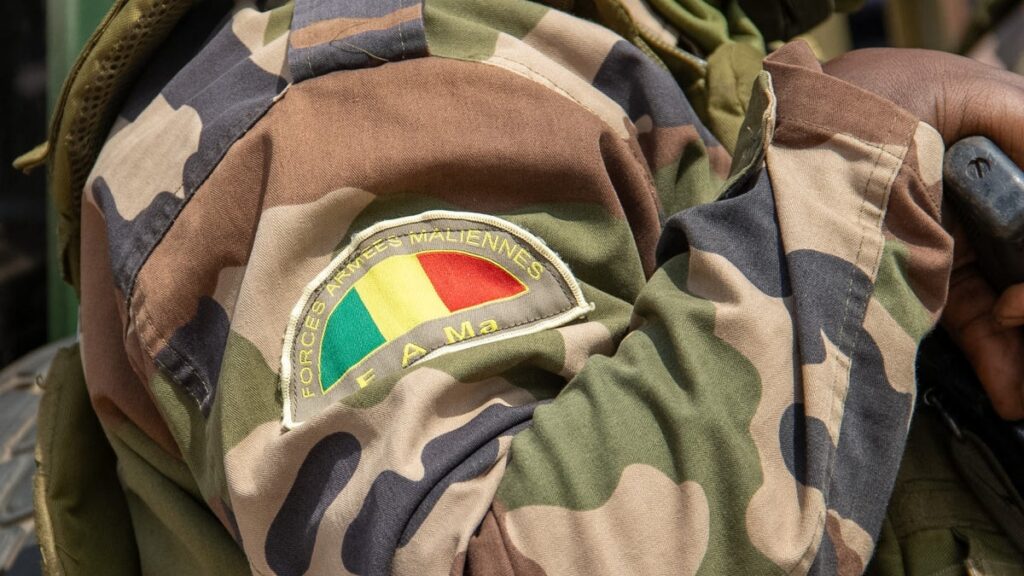
Bloody October: Army and Dozos Accused of Targeting Civilians in Mali’s Ségou
In the heart of Mali’s central Ségou region, where tensions have simmered for over a decade, a grim chapter unfolded earlier this month. On October 2 and 13, coordinated attacks by the Malian army and allied dozos militias left at least 31 civilians dead and homes reduced to ashes, according to multiple testimonies gathered from survivors and community leaders.
The first incident, on October 2, targeted the village of Kamona, where soldiers in camouflage uniforms and dozos—traditionally clad in amulet-adorned attire—stormed the area in seven pickup trucks, three armored vehicles, and on motorcycles. Witnesses reported that while jihadist fighters from the Group for the Support of Islam and Muslims (JNIM) had warned villagers of the approaching army, many were unable to flee. Those who remained were rounded up and executed, their homes set ablaze.
A 40-year-old herder, who hid with his nine-year-old daughter in an abandoned house, recounted discovering 17 bodies under a tree after the attackers left. « The people had been riddled with bullets, » he said. « One man’s head was completely shattered. I saw spent bullet casings scattered around the bodies. »
Local villagers provided a list of 21 victims—all men aged 20 to 65—and suggested that at least 15 others may have been killed in the surrounding bush. « We heard gunfire in the distance, » one resident admitted, « but didn’t dare check. We feared the army would return. »
On October 13, a similar fate befell the nearby village of Balle, some 55 kilometers away. Soldiers in five pickup trucks and dozos on at least 30 motorcycles descended on the settlement, triggering panic among residents. A 24-year-old man, who initially stayed behind, described how soldiers went door-to-door, assaulting men before opening fire. « I hid and heard the gunshots, » he recalled.
By the time the attackers left, 10 civilians lay dead—nine men aged 22 to 67 and a 55-year-old woman—along with over 100 stolen cattle. A 33-year-old man found the bodies clustered together. « They were shot indiscriminately, » he said. « Some had broken limbs. » The slain woman’s 21-year-old daughter tearfully recounted how her mother confronted the soldiers, only to be dragged away and executed alongside the men.
No Combat, Only Carnage
Witnesses insisted there were no clashes between the army and jihadists in either village. « The jihadists had already fled before the soldiers arrived, » a community leader explained. Yet the military’s narrative contradicts these accounts. In an October 14 statement, the Chief of Staff of Mali’s Armed Forces claimed the October 13 operation was an « offensive reconnaissance » that « neutralized around twenty terrorists » and seized military equipment.
Residents of Balle, however, paint a different picture. « We’ve lived under JNIM control for years, » one man revealed. « We pay zakat, and disputes are settled by the jihadists. There are no soldiers, gendarmes, or police here. The army assumes we’re all militants. They don’t distinguish between us and them. »
A Pattern of Abuse
Since 2012, Mali’s successive governments have waged war against Islamist armed groups, resulting in thousands of civilian deaths and displacing over 400,000 people. Both the Malian army and its allied militias—including the dozos—have been repeatedly accused of grave abuses during counterinsurgency operations. These allegations mirror those leveled against JNIM and other armed factions.
The recent attacks in Ségou followed a sharp escalation in jihadist activity, including a September siege on Bamako, which cut off fuel supplies to the capital and forced the military junta to shutter schools and universities nationwide. All parties to the conflict are bound by international humanitarian law, which prohibits attacks on civilians, executions, and cruel treatment of detainees. Those responsible for war crimes may face prosecution under domestic or international law.
Despite Mali’s withdrawal from the International Criminal Court (ICC) in September, the country remains a party to the Rome Statute until September 2026. The ICC opened an investigation into alleged war crimes in Mali in 2013, focusing on abuses committed since 2012.
Calls for Accountability
Human rights advocates stress the urgent need for credible investigations into the October massacres. « The October killings in Ségou are the latest in a long string of atrocities attributed to the Malian army and its allies, » a senior Sahel researcher warned. « Authorities must conduct impartial inquiries and hold those responsible to account through fair trials. »
The African Union (AU), tasked with promoting peace and security, has yet to take meaningful action despite the crisis worsening. The AU’s Peace and Security Council has limited its response to generic statements of concern, failing to prioritize the conflict or coordinate regional and international efforts to enforce accountability.
« The AU Peace and Security Council must make Mali a top priority, » the researcher concluded. « Regular briefings, strengthened diplomacy, and coordinated regional action are essential to address the widespread abuses by all parties involved. »