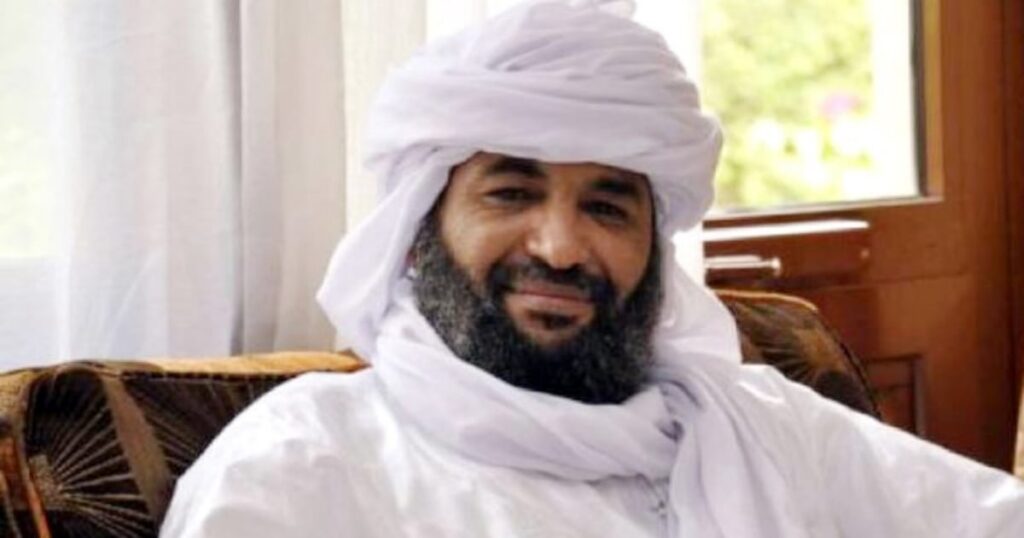
Mali’s most wanted jihadist faces new bounty as security crisis deepens
Once a Tuareg rebel and later a Malian diplomat, Iyad Ag Ghaly has become the most wanted man in the Sahel. As the leader of the JNIM (Group for the Support of Islam and Muslims), established in 2017, he now stands accused of orchestrating some of the region’s deadliest attacks.
Under multiple international sanctions—including a United Nations listing, a U.S. terrorist classification, and an International Criminal Court arrest warrant for alleged war crimes and crimes against humanity—Agh Ghaly remains a fugitive. His group, the JNIM, has been at the center of Mali’s worsening security nightmare, particularly after their recent coordinated offensive.
Deadly attacks spark government crackdown
On April 25 and 26, armed factions aligned with the JNIM and the predominantly Tuareg Azavad Liberation Front (FLA) launched a series of unprecedented assaults across Mali. These strikes targeted key military positions held by the Bamako-based junta, resulting in significant casualties—including the death of the Malian Defense Minister, Sadio Camara, who was killed in a suicide bombing.
In response, the Malian government has escalated its manhunt for jihadist leaders. A televised statement announced bounties totaling millions of euros for the capture or elimination of seven high-profile suspects, including:
- Amadou Kouffa (JNIM leader), with a €2.2 million reward
- Alghabass Ag Intalla (FLA commander)
- Bilal Ag Cherif (FLA leader)
The communiqué emphasized that these individuals are wanted for their alleged roles in planning and executing acts of terrorism that have destabilized the country. It called on citizens to provide actionable intelligence to security forces, framing the effort as a national security imperative.
Decade-long conflict fuels instability
Since 2012, Mali has been trapped in a spiraling security crisis, fueled by the JNIM, the Islamic State’s local affiliates, and criminal militias. The recent surge in violence—marked by large-scale attacks and high-profile assassinations—has pushed the government to deploy extraordinary measures, including financial incentives for militant leaders’ capture.
As the hunt intensifies, the question remains: Can Mali’s security apparatus turn the tide against a movement that has defied every previous attempt at eradication?