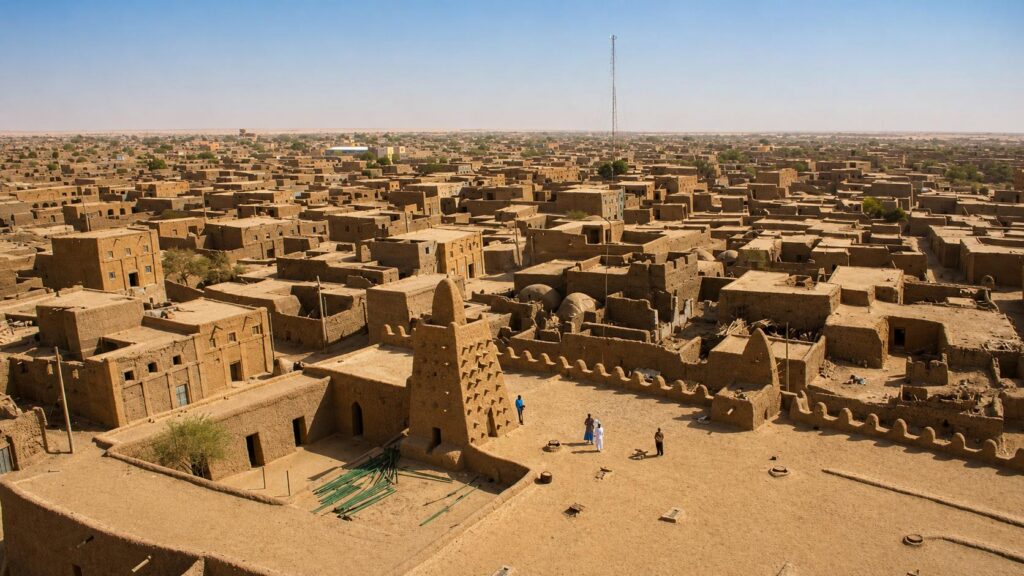
The Malian army’s communication strategy has become a finely tuned performance. On a recent August afternoon, the Directorate of Information and Public Relations of the Armed Forces (DIRPA) once again unveiled an impressive tally of alleged combat achievements—1,850 alleged terrorists “neutralized,” 45 bases destroyed, and hundreds of vehicles and motorcycles reduced to ashes—all within just two months. Yet beneath the bold numbers lies a troubling pattern: unverifiable claims, a lack of independent oversight, and a widening gap between official narratives and ground realities.
Counting victories without proof
The precision with which the DIRPA assigns casualties—nearly two thousand enemy fighters eliminated in just eight weeks—raises serious questions about credibility. In conflict zones across West Africa, military statements increasingly sidestep the need for verifiable evidence. No independent body, civil society group, or neutral observer has access to active combat zones to validate these bold assertions. The term “neutralized” itself remains a deliberately flexible concept: does it refer to armed combatants killed in action, suspects detained in raids, or civilians caught in the crossfire of operations shielded from external scrutiny? Without clear identification protocols or public records, the line between armed groups and local populations grows dangerously blurred.
Broken promises on the ground
The disconnect between triumphant military communiqués and the persistent insecurity faced by Malians is striking. If insurgent networks have truly been dismantled and their logistics wiped out, why do major roads remain vulnerable to ambushes? Why does the army still require heavy escorts for fuel convoys if remote forests and terrorist sanctuaries have been cleared? The recent surge in attacks—including strikes against strategic bases in San and Konna, and coordinated assaults by Jama’at Nusrat al-Islam wal Muslimin (JNIM) across the North and East—paints a very different picture. Far from being weakened, armed groups demonstrate remarkable resilience and coordination, calling into question the narrative of imminent victory.
The role of Russia’s Africa Corps in shaping the narrative
Behind the statistics lies a calculated effort to justify Mali’s strategic pivot—including the controversial Dougoukoloko Plan and the deepening partnership with Russia’s Africa Corps. With traditional allies sidelined and vast military investments made, the regime faces mounting pressure to show tangible results. Yet by restricting access to conflict zones and suppressing critical analysis of security conditions, Bamako reinforces a single, sanitized version of events—one where victory is perpetually promised but never substantiated. As long as the DIRPA prioritizes flashy numbers over ground-level transparency, each new tally will only deepen skepticism among those living with the daily reality of growing insecurity.
More Stories
Will Togo’s Faure Gnassingbé broker the breakthrough east DRC needs?
Can Nigeria’s military campaign end the kidnapping economy in the north?
Can Algeria’s expertise truly reshape Benin’s defense strategy?