Mali intensifies hunt for top jihadist commanders after deadly coordinated attacks
The Malian government has escalated its efforts to dismantle militant networks operating within its borders by placing bounties on the heads of key figures linked to two of the most notorious armed groups in the Sahel. The move comes in the wake of devastating attacks that have left the nation reeling and highlighted the growing audacity of jihadist factions.
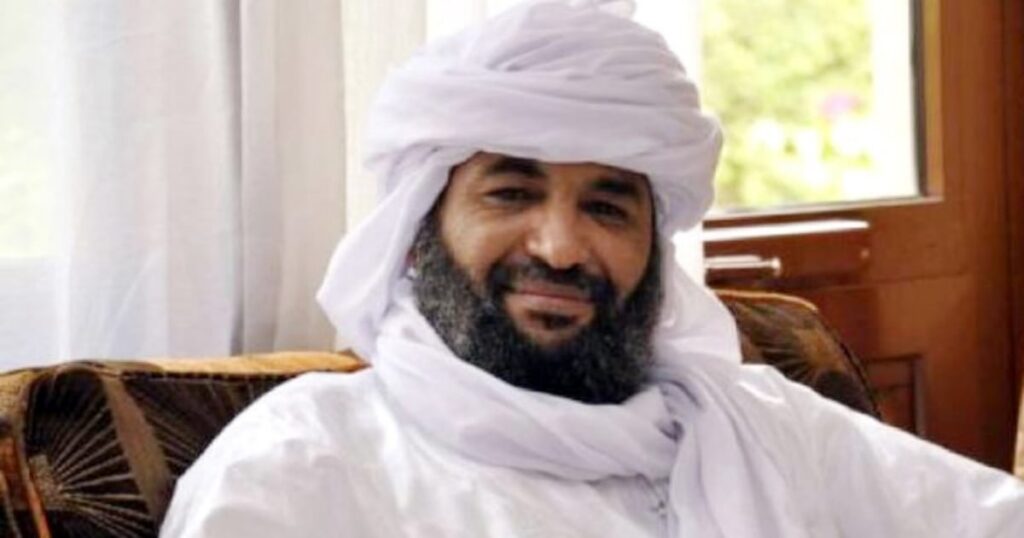
Iyad Ag Ghaly, a former Tuareg rebel and diplomat, stands at the apex of the JNIM (Jama’at Nusrat al-Islam wal Muslimin), a coalition formed in 2017 that has since become the most formidable terrorist organization in the region. His name tops international sanctions lists, including those of the United Nations and the International Criminal Court (ICC), where he faces grave accusations of war crimes and crimes against humanity.
The Malian junta, struggling to maintain control over vast stretches of territory, has witnessed a surge in militant activity, particularly in the aftermath of coordinated assaults on April 25 and 26. These operations, executed jointly by JNIM fighters and elements of the Front de Libération de l’Azawad (FLA)—a predominantly Tuareg separatist movement—targeted critical military positions across multiple regions. Among the casualties was Sadio Camara, the nation’s Defense Minister and a pivotal figure in the ruling military council, who perished in a suicide bombing during the assault.
In response, the government has announced substantial financial rewards for information leading to the capture or elimination of six high-value targets, including Amadou Kouffa, a senior JNIM commander valued at €2.2 million, and two prominent FLA leaders, Alghabass Ag Intalla and Bilal Ag Cherif. A formal statement broadcast on national television emphasized the urgency of these measures in safeguarding national security and combating terrorism.
The communiqué underscored that the listed individuals are wanted for their alleged roles in orchestrating and executing violent campaigns that have destabilized the country and endangered civilian lives. Since 2012, Mali has been gripped by a protracted security crisis, exacerbated by the relentless activities of JNIM, the Islamic State (IS) affiliate, and a spectrum of communal armed factions.
Why these leaders are pivotal targets
The decision to offer bounties reflects the junta’s recognition of the strategic threat posed by these commanders. Their leadership is believed to be instrumental in orchestrating attacks that have increasingly targeted government forces, critical infrastructure, and civilian populations. The inclusion of both JNIM and FLA figures signals a broader crackdown on militant factions operating in the north and central regions of Mali.
A nation under siege
Mali’s ongoing turmoil has drawn international condemnation, with the ICC and global powers condemning the escalation of violence. The government’s latest initiative aims to sever the operational capabilities of these groups by incentivizing defections and intelligence sharing. However, the effectiveness of such measures remains uncertain in a landscape where militant groups continue to exploit porous borders and local grievances.