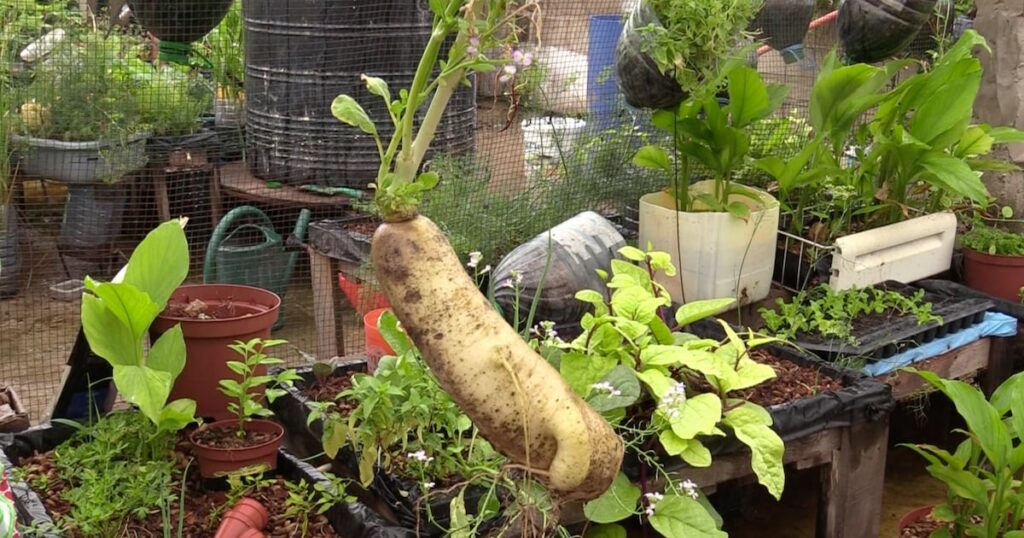
With growing demand for healthy, locally sourced food in Bamako, Mali’s Resapac network has spent over a decade perfecting a model that cuts out middlemen and fosters responsible consumption. The initiative connects urban dwellers with high-quality, locally grown produce while ensuring fair prices for farmers.
How the Resapac network connects producers and consumers
The Resapac model unites three key groups: farmers, processors, and consumers. Operating under a transparent, collective governance system, the network prioritizes short supply chains—from farm to table—to champion agroécologie, sustainability, and environmental stewardship.
For consumers, this means more than just buying food—it’s an opportunity to support ethical agriculture and trace the journey of every product they purchase.
From field to fork: the benefits of direct sales
Abdoulaye Sacko, a market gardener and Resapac member, grows vegetables using exclusively organic inputs. His partnership with the network has transformed his livelihood.
«Since joining Resapac, I no longer rely on chemical fertilizers. The direct connection with consumers has not only improved my income but also strengthened my commitment to sustainable farming», he shares.
The network’s coordinator, Djènèba Diallo, highlights its expansion over the past decade. «What began as a single stall in Sotuba now spans four vibrant markets across Bamako: Sotuba, Badalabougou, Magnambougou, and Hippodrome», she notes.
This growth reflects a broader shift in Mali’s food landscape, where consumers increasingly seek alternatives to pesticide-heavy conventional produce.
Why bio markets matter for Mali’s food future
Shoppers like Diallo praise the durability and freshness of organic produce compared to conventional options. «Biodynamic fruits and vegetables last much longer—sometimes days without spoiling—unlike chemically treated produce, which often decays within 24 hours», she explains.
The Resapac initiative underscores a vital trend: Mali’s push toward sustainable agriculture, where food quality, farmer livelihoods, and environmental health go hand in hand.