
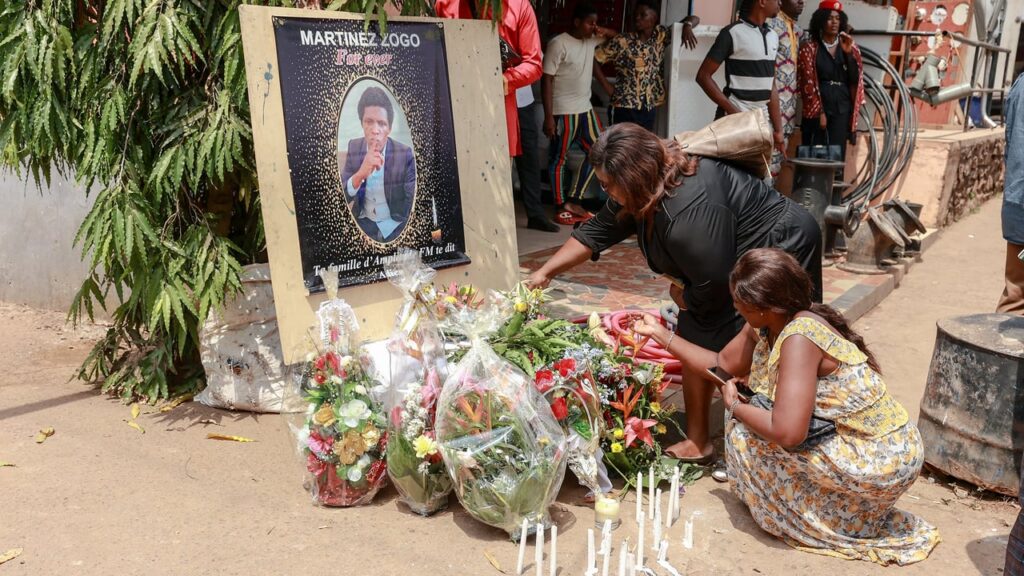

Key revelations from colonel otoulou in the Martinez zogo case
During the ongoing hearings in the Martinez Zogo case, Colonel Otoulou delivered testimony that has sent shockwaves through political and media circles in Cameroun. His statements, delivered under oath, provided unprecedented insights into the circumstances surrounding the journalist’s tragic disappearance. The colonel’s account has intensified scrutiny of the investigation, raising questions about institutional accountability and the safety of press freedom in the country.
Colonel otoulou’s testimony: what changed?
Colonel Otoulou, a high-ranking officer in Cameroun’s security apparatus, broke new ground in his testimony by directly implicating high-profile figures in the case. His declarations contradicted earlier official narratives, suggesting a deliberate obstruction of justice. Among the revelations:
- Direct involvement of senior officials in the alleged cover-up;
- Alleged interference in the judicial process to protect certain individuals;
- New evidence pointing to coordinated efforts to silence Martinez Zogo and others in the media.
These disclosures have prompted calls for an independent inquiry to ensure transparency and restore public trust in state institutions.
Implications for Cameroun’s press freedom
The case of Martinez Zogo, a prominent investigative journalist, has become a symbol of the challenges faced by media professionals in Cameroun. His brutal murder in January 2023 exposed deep vulnerabilities within the country’s democratic institutions. Colonel Otoulou’s testimony has reignited debates about the protection of journalists and the need for robust legal safeguards.
Civil society organizations have condemned the ongoing threats to press freedom, emphasizing that the safety of journalists is non-negotiable. The case has also highlighted the culture of impunity that often shields perpetrators of violence against media workers.
Next steps: what happens now?
With Colonel Otoulou’s testimony reshaping the narrative, the next phase of the investigation will be critical. Legal experts anticipate:
- A thorough review of all evidence presented, including forensic and digital traces;
- Potential charges against individuals identified in the colonel’s account;
- Strengthened collaboration between judicial and security bodies to prevent further obstructions.
Meanwhile, the public’s demand for justice grows louder. Families of the victims, alongside human rights advocates, are calling for swift and impartial action to hold all responsible parties accountable.

More Stories
Niger : la rue de Niamey se soulève après des tirs russes contre l’armée nationale
Burkina Faso: Ibrahim Traoré bars former prime minister Apollinaire Kyélem de Tambèla from leaving the country
Cameroun : Yaoundé mobilise 432 millions USD pour racheter Société Générale Cameroun