After sterilization failures in Orléans, health authorities urge HIV and hepatitis testing
Following critical lapses in dental instrument sterilization, nearly 500 patients in Orléans, France, have been instructed to undergo mandatory HIV and hepatitis testing. The alarming discovery, revealed during a routine inspection in August 2026, highlights glaring weaknesses in infection control—a breach that could have lasting consequences for public health.
This isn’t just a local issue; it raises urgent questions about the broader risks of inadequate sterilization practices in dental care settings, both in France and across Africa, where resource constraints compound the danger.
How sterilization failures put patients at real risk
Dental instruments used in multiple procedures must be meticulously cleaned and sterilized between each patient. When this process fails, residual blood can remain on tools, carrying infectious agents that may transmit diseases like HIV, hepatitis B, or hepatitis C to subsequent patients.
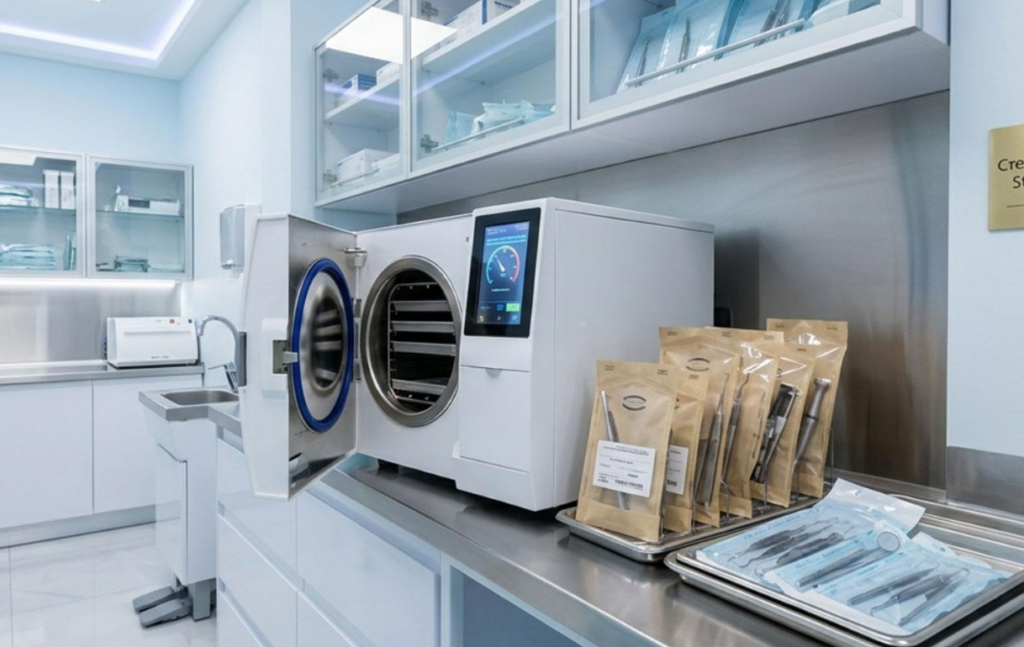
In this case, the Orléans dental center used a sterilizer that had failed its functionality tests, while improper storage and poor traceability of instruments further compromised infection control. Though the risk of transmission is deemed low, the authorities have taken no chances, ordering a precautionary testing campaign for all affected patients.
The ARS Centre-Val de Loire, which conducted the inspection, suspended the clinic’s operations immediately and is coordinating outreach to notify and test those who received care there last month. While no confirmed cases of transmission have been reported, the incident underscores the real-world implications of lax sterilization protocols: lives could have been put in jeopardy.
Why this goes beyond a single clinic
This incident raises a pressing concern: are dental patients in Africa adequately protected from infection risks? Though not all clinics face the same vulnerabilities, existing studies reveal troubling gaps in sterilization practices on the continent.
In Cameroon, for instance, research examining dental units in Yaoundé found widespread deficiencies in sterilization training and equipment maintenance. Many clinicians struggle with outdated sterilizers, inconsistent access to sterile supplies, or inadequate oversight—conditions that mirror challenges faced in other African nations.
Without consistent training, functional equipment, or rigorous inspection regimes, the risk of bloodborne virus transmission in dental settings remains dangerously real. Such risks are not limited to public health facilities; private practices face the same scrutiny.
The role of patients in ensuring safe dental care
While clinics bear primary responsibility for sterilization, patients can—and should—take steps to verify safety before procedures. Simple checks can reveal a lot:
- Observe hygiene practices: Are hands washed or sanitized? Are gloves changed between patients?
- Inspect instrument handling: Are tools opened in front of you? Do they appear clean and properly packaged?
- Ask about single-use items: Are needles, syringes, or other supplies truly discarded after each use?
- Inquire about sterilization methods: How are instruments cleaned and monitored? Does the clinic use autoclaves (heat sterilizers) with valid performance logs?
If there’s any doubt about safety, ask directly. A reputable dentist will welcome questions about sterilization—hesitation is a red flag. In cases where exposure to unsterilized instruments is suspected, prompt medical consultation is critical, particularly for HIV post-exposure prophylaxis (PEP), which must begin within 48 hours to be effective.
A call to action for health systems: prioritizing sterilization as a public health imperative
The Orléans scandal serves as a stark reminder that high-quality dental care extends beyond clinical skill—it hinges on rigorous infection control. Poor sterilization doesn’t just risk individual health; it erodes public trust in healthcare systems.
Across Africa, where expanding access to dental care is a growing priority, this incident should prompt urgent action:
- Mandatory, frequent inspections of dental facilities
- The distribution of affordable, functional sterilization equipment to underserved clinics
- Ongoing training for dental staff on modern sterilization standards
- Transparent reporting systems for sterilization failures and patient exposures
Dental health is not a luxury—it’s a necessity. But it must never come at the cost of safety. Every patient has the right to treatment that doesn’t pose hidden, preventable health risks. The Orléans case is a wake-up call: the fight for infection-free care must be fought globally, one sterilized tool at a time.