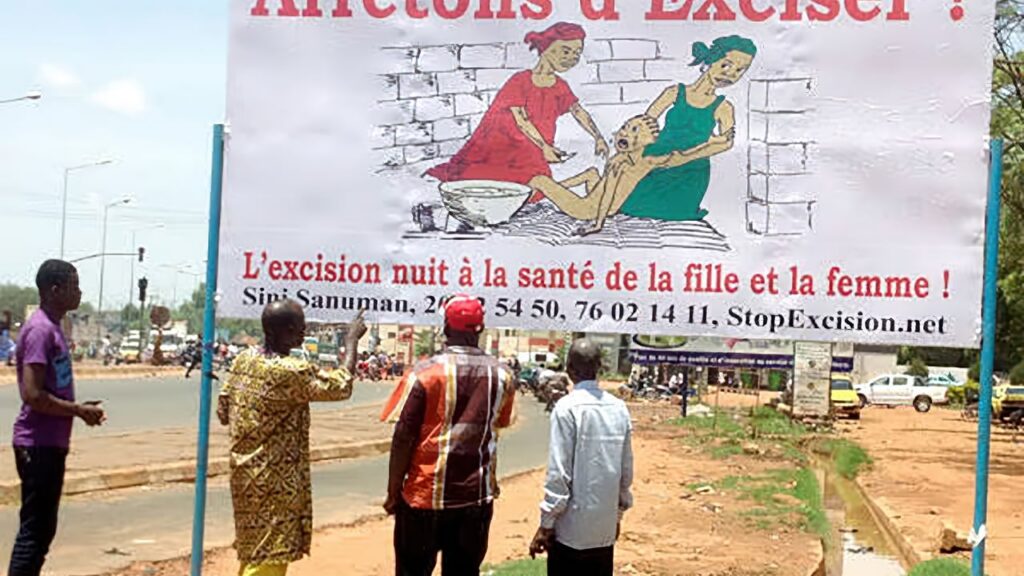

In the West African nation of Mali, the discourse surrounding female genital mutilation (FGM) remains a deeply sensitive and complex issue. Interim President Assimi Goïta is actively engaged in navigating this challenging national debate, seeking to manage the public conversation around a practice that continues to impact countless lives within the country. The discussion involves intricate cultural, religious, and social dimensions, making any intervention a delicate balancing act for the Malian leadership.
Efforts to raise awareness and combat FGM are visible across Mali, with campaigns aiming to educate communities on the severe health and human rights implications of the practice. These initiatives, often supported by international and local organizations, are crucial in fostering a shift in societal norms. As the head of state, President Goïta’s approach to containing or influencing this vital debate is central to the future trajectory of FGM eradication efforts in Mali, highlighting the significant political and social will required to address such entrenched traditions.