
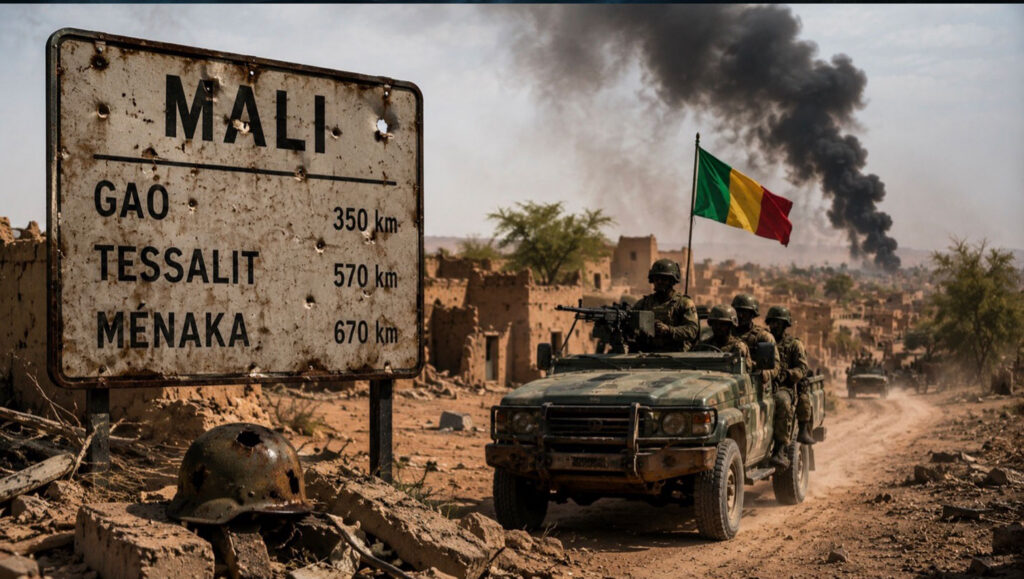
The vast, sun-scorched Sahelian plains of Mali today bear the weight of a harsh truth: actions have consequences, especially when sovereignty is wielded as a political tool without accounting for strategic realities.
The surge in violence gripping the country is not a random turn of fate. It is the direct outcome of a deliberate decision to sever military ties with France—a move applauded domestically but devoid of foresight regarding the security vacuum it would leave behind. The rhetoric of anti-French sentiment, once a rallying cry, has now collided with the unforgiving reality of an emboldened enemy.
Seeking independence, Mali faces the consequences
The last French military convoys rolled out of Gao, Tessalit, and Ménaka to the cheers of a populace fed on years of accusatory narratives. The irony is stark: the public discourse celebrated an act of defiance, yet overlooked the operational foundation that had held Mali together for over a decade. In 2013, as jihadist columns advanced toward Bamako, it was French forces that halted the collapse, preventing what could have been a far deadlier crisis.
President Macron’s sobering statement—“Mali did not make the wisest choice by expelling the French army”—was not an emotional outburst but a clear-eyed assessment of a strategic miscalculation. His words carried no bitterness, only the weight of undeniable facts: without structural support, sovereignty alone cannot repel transnational threats.
While France’s approach in the Sahel was not flawless—over-reliance on military solutions and under-delivery on governance reforms were real shortcomings—the withdrawal has exposed a brutal truth. The Malian state now struggles to assert control over regions where Al-Qaïda and ISIS affiliates thrive in the absence of sustained counterterrorism pressure.
Fifty-eight lives sacrificed in the sands of the Sahel
The French soldiers who perished in this conflict were not occupying forces. They were professionals executing a mission mandated by their government to prevent the Sahel from becoming a terrorist haven. Their sacrifice—58 lives lost in places like Kidal, the Adrar des Ifoghas, and In Delimane—demands more than political posturing. It demands recognition of their role in preserving what little stability Mali once had.
Mali’s leadership gambled on the idea that expelling foreign troops would strengthen national pride. What it has gained instead is a resurgence of violence, a fragmentation of authority, and a reminder that ideological declarations do not deter well-armed extremist groups.
President Macron’s words were not a lament over lost influence, nor a colonial relic. They were a warning: in the Sahel, sovereignty without capability is a hollow victory. The Malian government now faces the unenviable task of filling the void left behind—and the cost of that endeavor is measured in human lives, not slogans.

More Stories
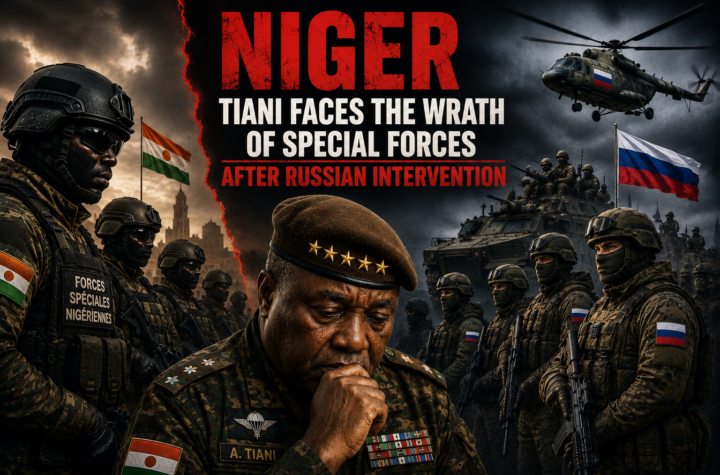
Niger: Tiani faces fallout from special forces anger after Russian intervention
Crisis in Niger, IMF agreement in Sénégal, and Moroccan elections: Five essential stories
RDC-Israël : un rapprochement aux enjeux multiples