
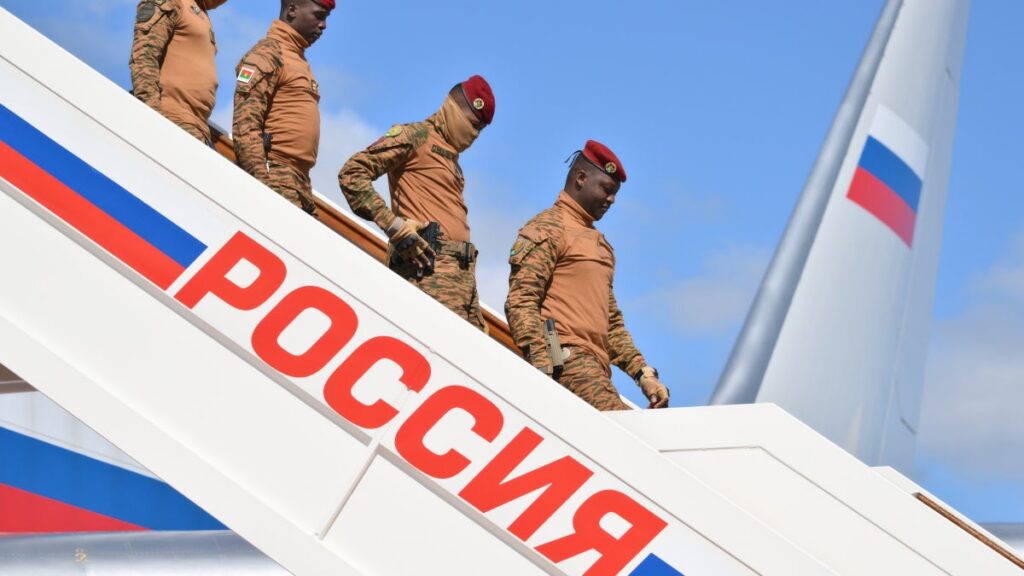
West Africa and Sahel Face Escalating Repression Under Military Rule
Military-led governments across West Africa and the Sahel have significantly tightened their grip on power in 2025, systematically eroding democratic freedoms and silencing dissent, according to a comprehensive human rights assessment.
The report highlights a disturbing pattern of repression, with civilian populations bearing the brunt of both Islamist militant attacks and state-sponsored violence. In the Sahel, military juntas have systematically dismantled regional and international oversight mechanisms, further weakening accountability for human rights violations.
Human Rights Watch Warns of Democratic Backsliding
Regional leaders are silencing dissent while promising democratic transitions that remain unfulfilled. Human rights advocates emphasize that the military juntas in the Sahel have intensified crackdowns on free speech and political opposition with little regard for their pledged return to civilian rule.
«These juntas are systematically dismantling the foundations of democracy in West Africa, replacing them with authoritarian rule under the guise of security.» The statement from Human Rights Watch underscores the urgent need for regional and international pressure to restore political freedoms and protect citizens from further abuses.
Systematic Erosion of Democratic Institutions
Governments in the region have taken aggressive steps to prolong their hold on power, including:
- Extending transitional periods without clear democratic roadmaps in Niger and Mali, while banning multiparty systems.
- Abolishing presidential term limits in Chad.
- Restricting media freedom and criminalizing dissent in Burkina Faso, Mali, and Nigeria.
Journalists, activists, and political opponents face arbitrary detention, enforced disappearances, and forced conscription. In Niger, former President Mohamed Bazoum remains arbitrarily detained without trial, while in Chad, opposition leader Succès Masra was sentenced to 20 years in prison on politically motivated charges.
Militant Violence and State Atrocities Compound Humanitarian Crisis
The report documents widespread atrocities by Islamist militant groups, including the Group for the Support of Islam and Muslims (JNIM) and the Islamic State in the Sahel (EIS), which have targeted civilians in Burkina Faso, Mali, and Niger.
State forces, including the Burkinabè army, pro-government militias, and the Wagner Group (now rebranded as Africa Corps), have been implicated in extrajudicial killings, particularly targeting the Fulani ethnic group.
In Nigeria, the resurgence of Boko Haram’s faction in Borno State, along with violent raids by armed gangs in the northwest, has left communities vulnerable. The government’s failure to protect civilians or hold perpetrators accountable has deepened the crisis.
Regional Withdrawals Undermine Accountability
Mali, Niger, and Burkina Faso have accelerated their withdrawal from the Economic Community of West African States (ECOWAS) and announced their exit from the International Criminal Court (ICC). These actions severely threaten access to justice for victims of human rights abuses.
Human rights organizations urge the African Union and other regional bodies to strengthen efforts in protecting civilians and ensuring accountability for violations.

More Stories
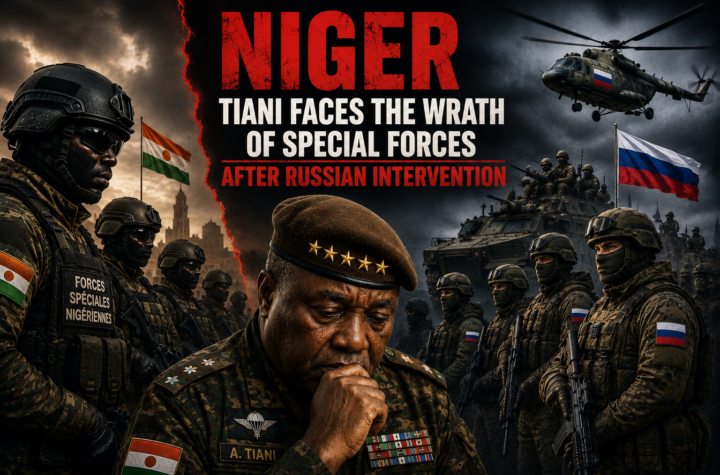
Niger: Tiani faces fallout from special forces anger after Russian intervention
Crisis in Niger, IMF agreement in Sénégal, and Moroccan elections: Five essential stories
RDC-Israël : un rapprochement aux enjeux multiples