
Burkina Faso’s pioneering efforts: from rural villages to bustling markets, a path to cervical cancer elimination
Ouagadougou – “When the town crier announced that health workers would be providing free screenings, I felt a pang of fear: what if I was told I had the disease? How would I afford treatment? But then I thought of my children and decided to go,” shares Awa, a 48-year-old mother of six residing in Ipendo, located in the Centre-Ouest region of Burkina Faso.
Like Awa, thousands of women across the nation have long grappled with such anxieties, largely due to significant barriers in accessing essential health services. Their predicament underscores a critical challenge: cervical cancer remains one of the most fatal diseases affecting women in the country.
Prior to the implementation of the World Health Organization’s (WHO) global strategy to accelerate cervical cancer elimination, screening coverage was critically low, less than 8%. Rural areas bore the brunt of this disparity, with women often traveling tens, or even hundreds, of kilometers to reach equipped health centers, frequently lacking the financial means for transport or care. Furthermore, trained healthcare professionals were scarce, and public awareness campaigns were virtually nonexistent.
To dismantle these formidable obstacles, the Burkinabè government has enacted bold measures, as explained by Professor Nayi Zongo, an oncologist, public health physician, and coordinator of the National Cancer Control Program (PNLC). “The government adopted a decree making screening and treatment for precancerous lesions free of charge. They also equipped several peripheral centers and introduced mobile clinics to reach women directly,” Professor Zongo states.
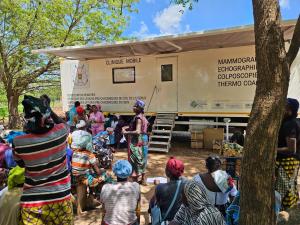
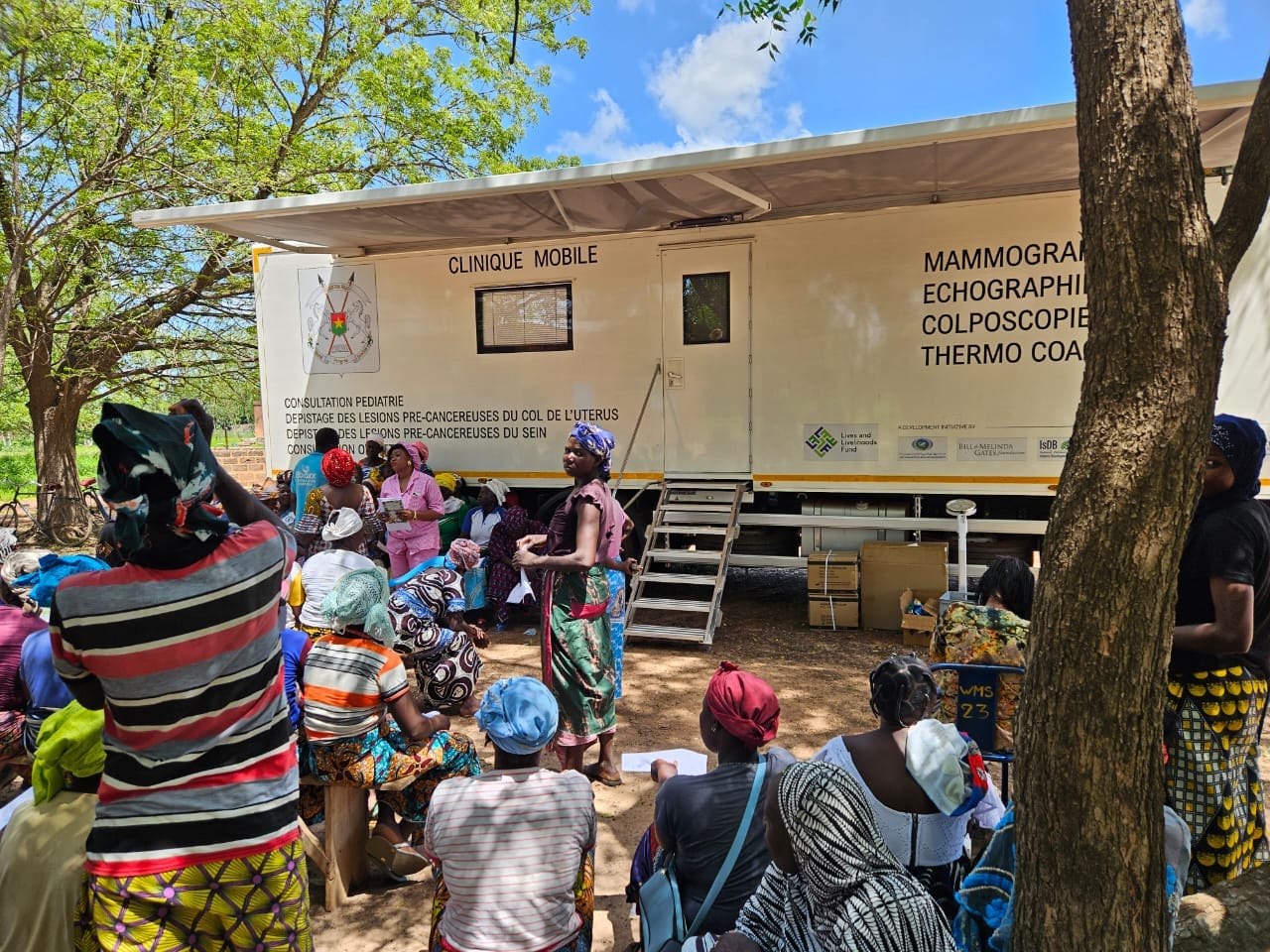
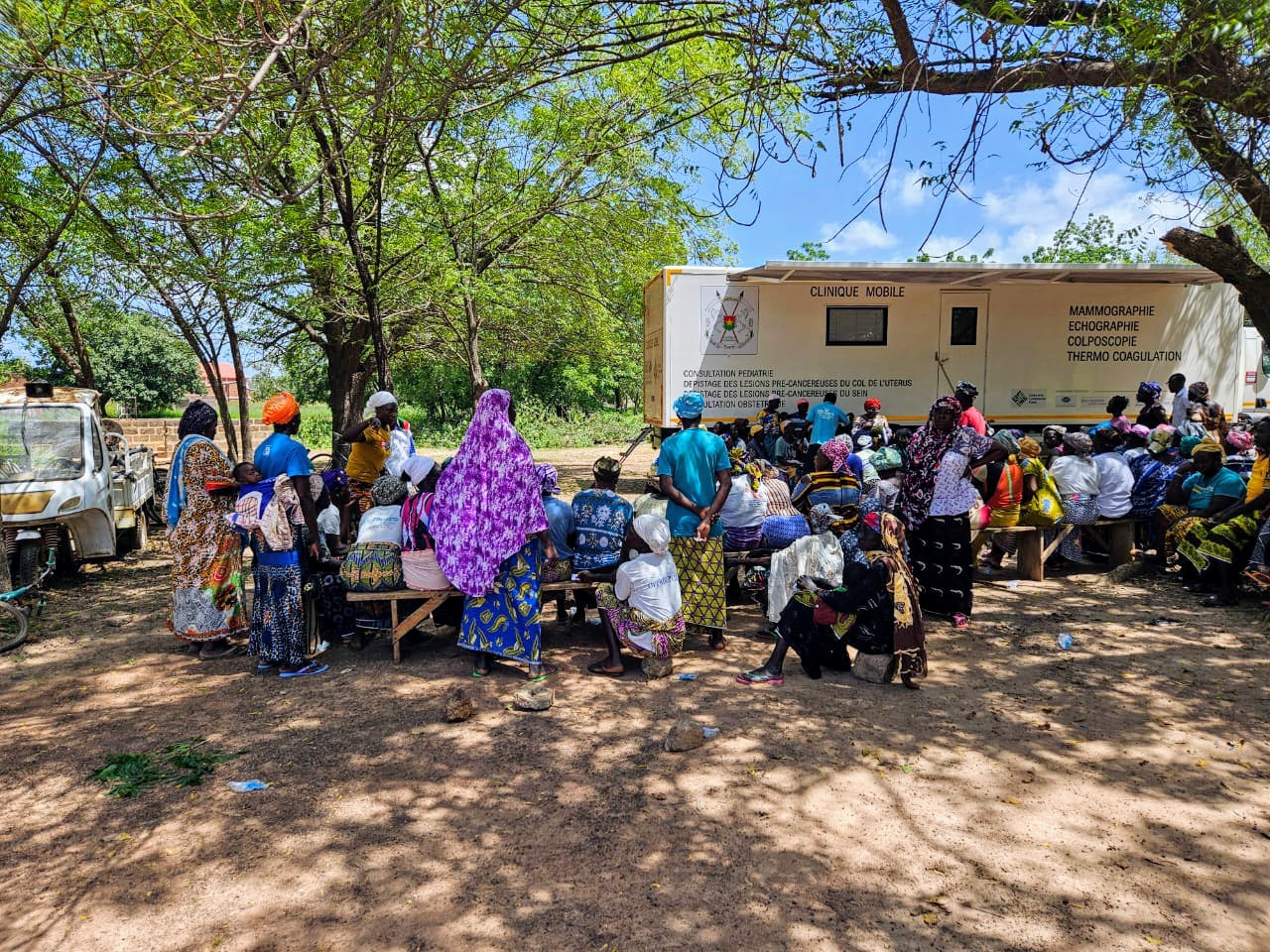
These innovative mobile clinics have become a beacon of health equity, extending their services deep into villages, agricultural farms, bustling markets, and even family compounds. Women are no longer compelled to abandon their vital farming or domestic duties to access crucial screenings. “Screening services are now brought closer to communities, enabling women to maintain their daily activities while safeguarding their health,” emphasizes Professor Zongo.
Burkina Faso’s initiative stands out through its synergistic application of multiple strategic approaches: eliminating financial barriers by offering free care, overcoming geographical hurdles with mobile clinics, and robust community mobilization. The nation has also integrated extensive awareness campaigns through television and radio advertisements, alongside popular events like “Pink October.” A national cancer coalition, uniting civil society, community leaders, and media, was established to stimulate demand for services. This holistic strategy has successfully transformed the fight against cervical cancer into a collective national cause.
The support from the WHO has been instrumental in realizing this ambitious vision. The Organization provided crucial technical assistance for developing national guidelines, trained healthcare professionals in the detection and treatment of precancerous lesions, and supported community engagement efforts. “The WHO has been a steadfast partner, helping us strengthen our capacities and ensure that every woman, regardless of her location, can benefit from this life-saving service,” Professor Zongo highlights.
The outcomes have been remarkably impressive. In just one year, from October 2024 to September 2025, 468 mobile clinic missions were conducted across numerous localities. These missions successfully sensitized nearly 2 million women, performed 106,446 screenings, carried out 715 treatments to eliminate precancerous lesions, and conducted 113 in-depth examinations to confirm diagnoses. These figures transcend mere statistics; they represent lives preserved and families protected.
For the WHO, this success story exemplifies the power of collaborative efforts. “Burkina Faso demonstrates that with strong political commitment and context-appropriate solutions, it is possible to overcome barriers that once seemed insurmountable,” affirms Dr. Seydou Coulibaly, WHO Representative in Burkina Faso. He underscores the exemplary nature of this initiative within Africa: “The removal of financial and geographical obstacles, through free services and mobile clinics, offers an inspiring model for other nations.”
In the villages, these dedicated efforts translate into tangible personal stories. Awa, the mother of six, recounts her daily life. “We work in the fields, garden, and sell vegetables at the market. When we first heard about the screening, I was scared. But the testimonies of other women convinced me. On the day of the test, the agents explained each step. When the result came back negative, I felt immense relief. Today, I advise all women to get screened. If the disease is detected early, treatment is much simpler,” she states confidently.
For countless women like Awa, these mobile clinics represent far more than a medical service; they often provide the very first opportunity to learn about cervical cancer, comprehend its risks, and discover that it is preventable. This initial awareness is a pivotal step, paving the way for effective prevention and comprehensive care.
Beyond immediate health benefits, this initiative touches upon fundamental aspects of dignity, social justice, and the future well-being of families. Each mobile clinic arriving in a village carries a profound message: health is a fundamental right, not a privilege. And in Burkina Faso, this right is progressively becoming a lived reality.


More Stories
Côte d’Ivoire’s coffee and cocoa sector prepares for new campaign with crucial price announcements
Ebola and conflict: a deadly combination in eastern DRC
Morocco azrou college that shaped berber elite