
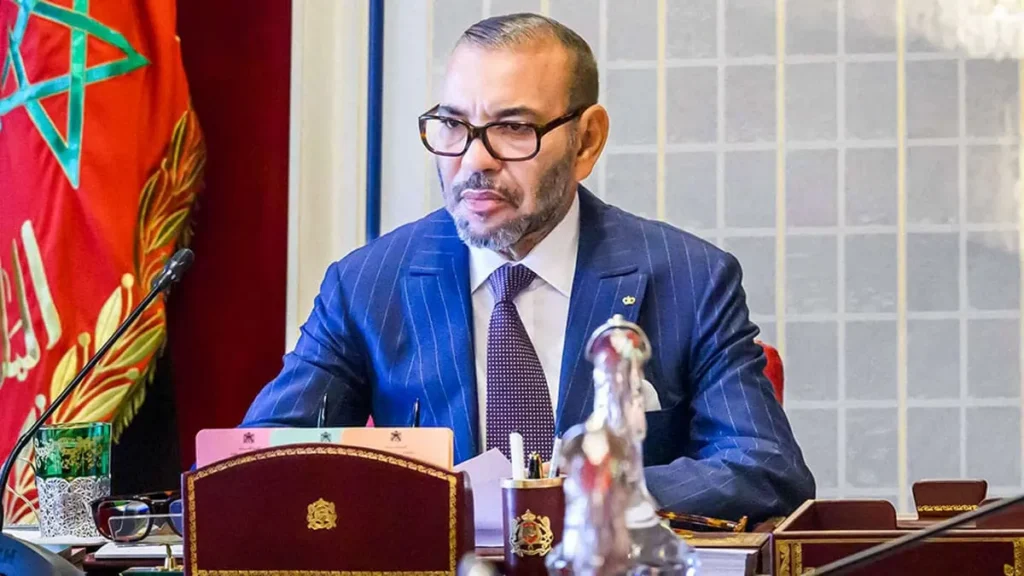
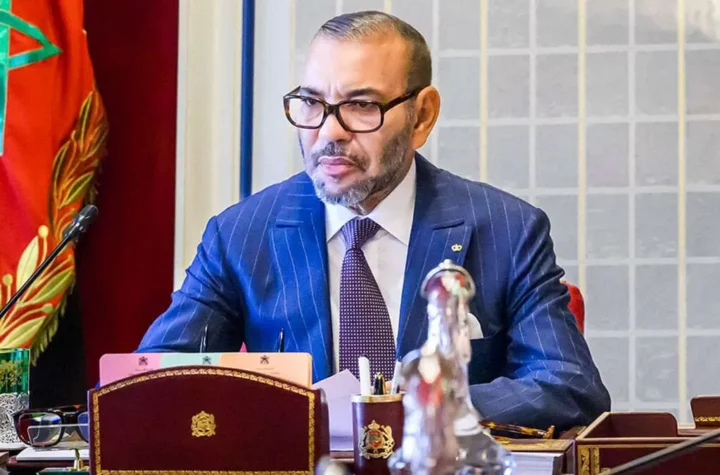
The Moroccan Kingdom, under the wise leadership of King Mohammed VI, has established itself as a major player in politics, economy, and social affairs, not only in Africa and the Arab world but also in the Mediterranean region and globally. According to Anissa Saysay, a German politician of Moroccan origin and member of the Christian Democratic Union (CDU), party of German Chancellor Friedrich Merz.
The progress made on modernization has transformed the country into a modern and stable state as well as an actor recognized internationally. This transformation relies on a long-term vision in a country that invests heavily in its infrastructure and strives for economic independence.
The ports, high-speed trains, airports, industrial and technological poles, automobile and aerospace industries demonstrate the strict planning of the kingdom’s future. The politician also highlighted the strategic geographical and cultural position of Morocco, which grants it a major political and economic advantage.
This development includes the transition to renewable energy, where Morocco is a pioneer in Africa and an important partner for Europe.
On the social side, Saysay praised the efforts made by Morocco in terms of social protection, access to healthcare, education, and women’s rights.
Regarding the German-Moroccan relations, Saysay emphasized their positive evolution over the past few years.
Morocco represents a reliable partner for Germany in North Africa due to its stability, dynamism, and strategic position between Europe and Africa. For its part, Germany is Morocco’s major partner in areas such as technology, industry, vocational training, research, climate protection, and sustainable development.
Saysay stressed the importance of a “mutually respectful partnership” based on common interests and sincere political dialogue.
Bilateral exchanges can play an important role in promoting investments, knowledge transfer, partnerships, scientific cooperation, and social dialogue.
Saysay pointed out that the Fête du Trône is not just a yearly celebration but a strong bond between Moroccan communities abroad and their homeland, its history, and the transformations made by the kingdom.
More Stories
Burkina Faso’s gold sector: economic sovereignty or geopolitical gamble?
Niger–Bénin border closure: a political pawn in Niamey’s strategy
Morocco stands out as a leading global player under King’s guidance