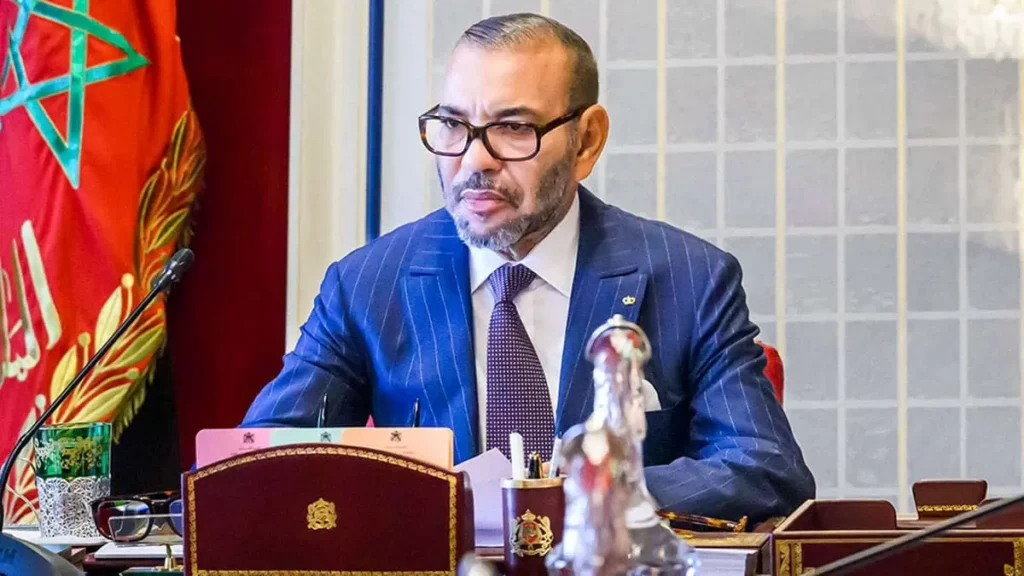
Morocco stands out as a leading global player under King’s guidance
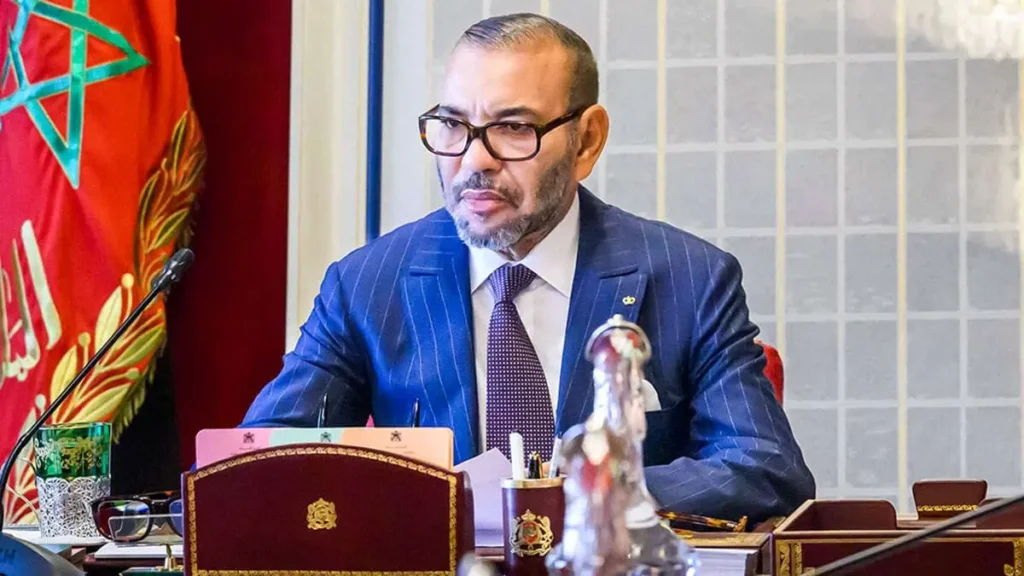
Morocco has emerged as a key player not only in Africa and the Arab world but across the Mediterranean basin and on the global stage, according to Anissa Saysay, a German politician of Moroccan descent and member of the Christian Democratic Union (CDU), the party led by German Chancellor Friedrich Merz.
In an interview marking Throne Day, Ms. Saysay highlighted that Morocco’s progress toward modernization has transformed the Kingdom—under the wise leadership of His Majesty King Mohammed VI—into a modern, stable nation and a respected international actor.
This transformation, she noted, is rooted in a long-term vision, with significant investments in infrastructure and a firm commitment to economic independence.
The Kingdom’s ambitious plans are evident in its ports, high-speed rail network, airports, industrial and technological hubs, as well as its thriving automotive and aeronautics sectors, she emphasized.
Morocco’s strategic geographic and cultural position also makes it a vital bridge between Europe, Africa, and the Arab world, providing it with a unique political and economic advantage, Ms. Saysay added.
The country’s development momentum extends to energy transition, where Morocco has positioned itself as a pioneer in Africa and a key partner for Europe, she continued.
On the social front, Ms. Saysay praised Morocco’s efforts in expanding social protection, healthcare access, education, and women’s rights.
She also underscored the positive evolution of Morocco-Germany relations in recent years, describing Morocco as a reliable and important partner for Germany in North Africa due to its stability, dynamism, and strategic location between Europe and Africa.
For its part, Germany serves as a major partner for Morocco in technology, industry, vocational training, research, climate protection, and sustainable development, she explained.
Ms. Saysay stressed the importance of an equal partnership built on mutual respect, shared interests, and sincere political dialogue.
At the core of this collaboration, she noted, are Moroccan-German communities, whose contributions in investment, knowledge exchange, educational partnerships, scientific cooperation, and social dialogue are invaluable.
These communities, she added, embody a unique strength by blending German institutional expertise and technological know-how with Moroccan creativity, dynamism, hospitality, and regional networks.
She also pointed out that Throne Day is more than a yearly celebration—it is a strong connection between Moroccans abroad and their homeland, its history, and the Kingdom’s ongoing progress.

More Stories
Togo: how a journalist’s sanction resonates far beyond newsrooms
Niger: reshuffle fallout hits households, traders and an economy running on fumes
Niger’s military regime cuts off information flow—citizens and economy reel from media blackout