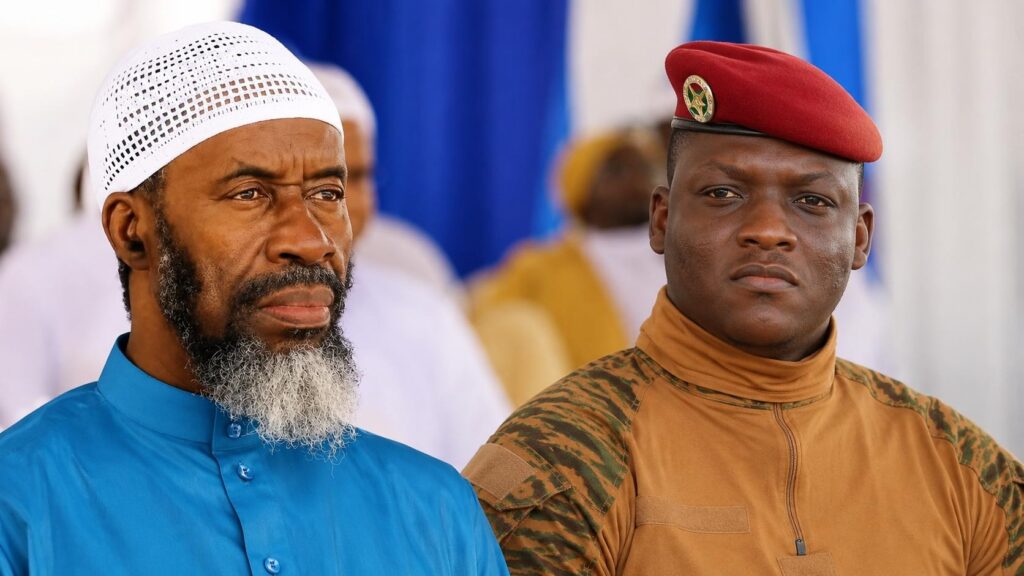
Last month’s decision by the Kadiogo regional governor to shutter the capital’s largest Sunni mosque has sent shockwaves through Burkina Faso, where religious faith and political allegiance have long been intertwined. The closure order, issued on May 28, 2026, cites “risks to public order,” but the timing raises serious questions about the government’s evolving relationship with the very communities that once underpinned its rise to power.
From political allies to targets of state action
The Sunni movement in Ouagadougou has played a pivotal role in Burkina Faso’s recent political history. During transitional phases and periods of consolidation, its disciplined followers and ability to mobilize grassroots support made it a valuable ally for the country’s leadership. Mosques became not just places of worship but key platforms for political messaging, where calls for stability and national unity resonated with a devout citizenry.
This symbiotic relationship—where faith bolstered governance—has now soured dramatically. The closure of the mosque, once a symbol of popular legitimacy, feels like a betrayal to many who believed their devotion was serving a greater cause. The abrupt reversal of fortune underscores a harsh political irony: those who helped elevate the current leadership are now being shut out.
a risky move in a fragile nation
Burkina Faso stands at a precarious juncture, where social cohesion is the last bulwark against deeper instability. In such a climate, targeting a major religious institution risks inflaming tensions rather than calming them. Rather than preventing unrest, the closure may inadvertently fuel underground dissent, making grievances harder to address and grievances harder to resolve.
The haste of the decision suggests a troubling lack of foresight—one that prioritizes short-term administrative measures over long-term stability. By cutting off a community’s spiritual hub, the state risks eroding trust and deepening divisions at a time when unity is most needed.
coercion or dialogue: which path will the state choose?
While upholding the rule of law remains essential, applying it in a one-sided manner against those who once championed the government’s cause sends a damaging message. A stable Burkina Faso cannot be built on the exclusion of religious voices or the suppression of dissent. Instead, what’s required is an open, inclusive dialogue with faith leaders and community representatives.
Continuing down a path of repression risks alienating a critical segment of the population and reinforcing perceptions of political opportunism. The government must act swiftly to reverse this decision, replacing confrontation with conversation before the rift between the state and its religious base becomes irreversible.