The political landscape in Côte d’Ivoire is undergoing significant upheaval as tensions escalate between the ruling RHDP coalition and the historic PDCI party. Recent developments suggest covert strategies being employed to sway influential figures within the opposition, sparking internal discord and raising questions about the future of democratic processes in the country.
At the heart of the controversy is the PDCI, led by prominent figures such as Tidjane Thiam, whose leadership has become a focal point for both allies and adversaries. Internal communications, though confidential, have revealed a pattern of alleged maneuvers by the RHDP to fragment the party’s cohesion. These covert interactions are reportedly intensifying, with some insiders describing them as systematic efforts to destabilize the opposition.
Internal divisions deepen within the PDCI
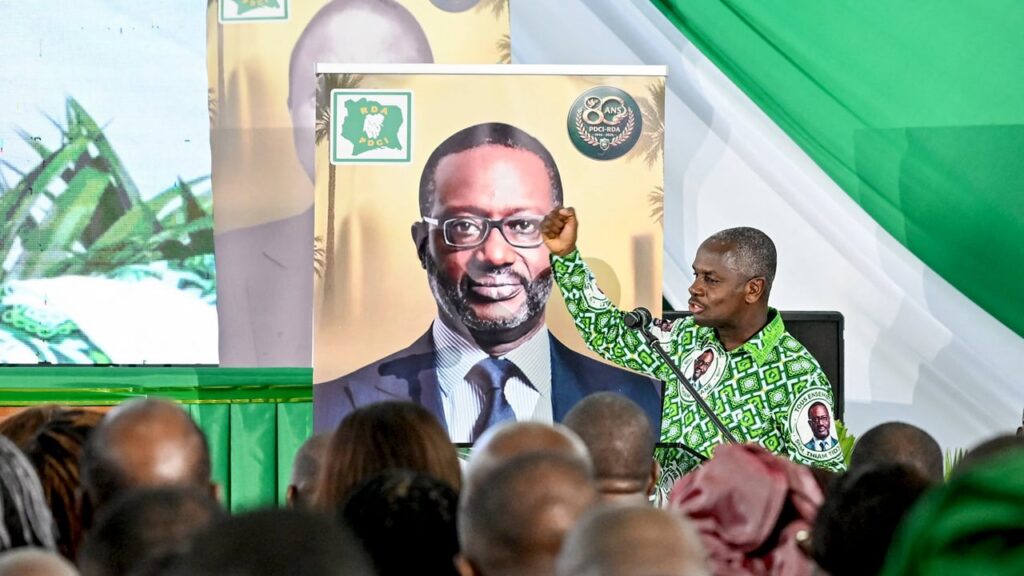
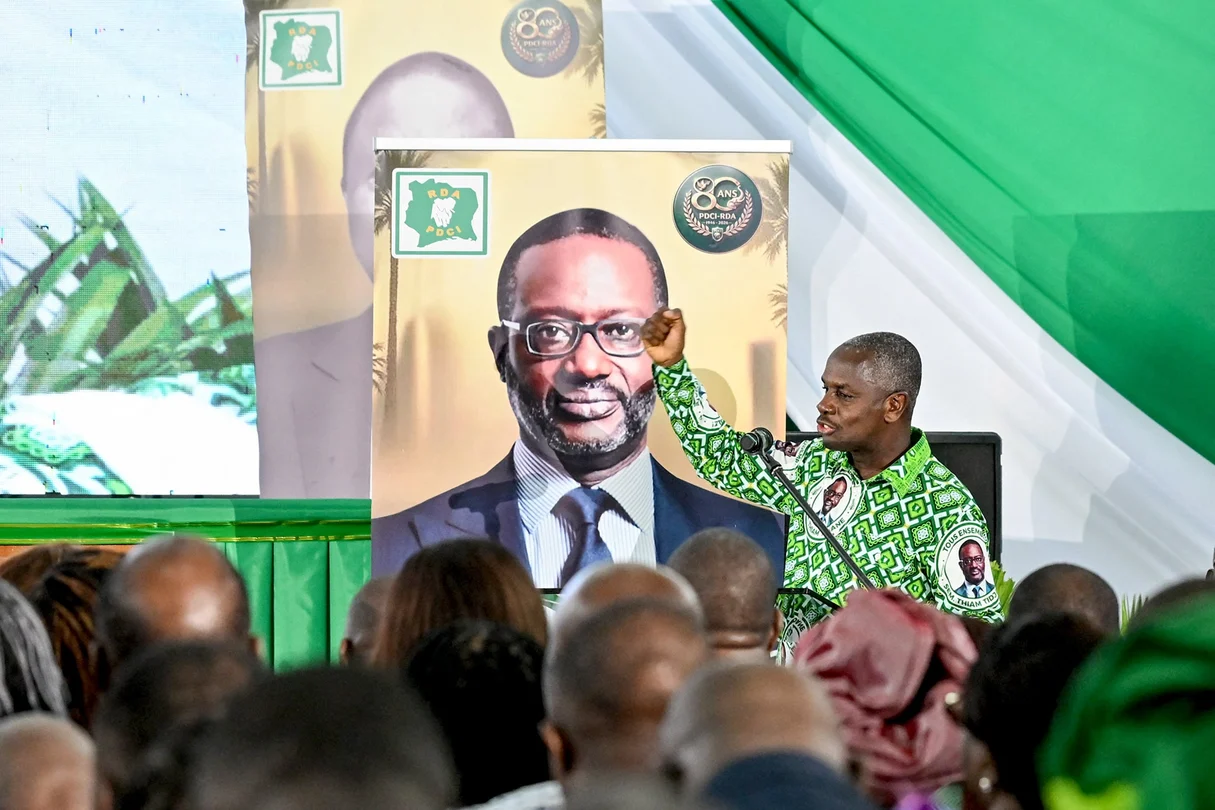
Observers in Abidjan report that the PDCI‘s executive secretary, Calice Yapo Yapo, has been at the center of these discussions during the party’s recent 80th-anniversary celebrations. The event, held in early April, served as a platform for both celebration and reflection, yet it also highlighted the growing rifts within the party. While public statements remain diplomatic, behind-the-scenes negotiations are said to be fraught with tension, as factions within the PDCI grapple with the implications of these external pressures.
Several party members, speaking on condition of anonymity, have described a climate of uncertainty. One senior figure noted, “The RHDP’s tactics are not just about weakening us—they are reshaping the very dynamics of Ivorian politics.” This sentiment underscores the broader implications of the current standoff, which extends beyond party lines and threatens to redefine the nation’s political trajectory.
Strategic implications for Côte d’Ivoire’s democracy
The interplay between the RHDP and PDCI is not merely a partisan issue; it reflects deeper concerns about the health of Côte d’Ivoire‘s democratic institutions. Political analysts warn that prolonged instability could erode public trust in the electoral process, particularly as the country approaches key decision-making moments. The alleged infiltration of the PDCI by external forces raises critical questions about the integrity of political competition in the nation.
For Tidjane Thiam and his allies, the challenge lies in navigating these turbulent waters without compromising the party’s founding principles. The PDCI, as one of the oldest political entities in the country, holds significant historical weight, and its survival hinges on its ability to adapt without losing its identity. Meanwhile, the RHDP appears determined to consolidate its dominance, employing a mix of persuasion and pressure to achieve its goals.
As these covert negotiations unfold, the people of Côte d’Ivoire are left to ponder the future of their democracy. Will the PDCI emerge stronger from this crisis, or will it succumb to the relentless push from the ruling coalition? The answers to these questions will shape the political narrative of the nation for years to come.