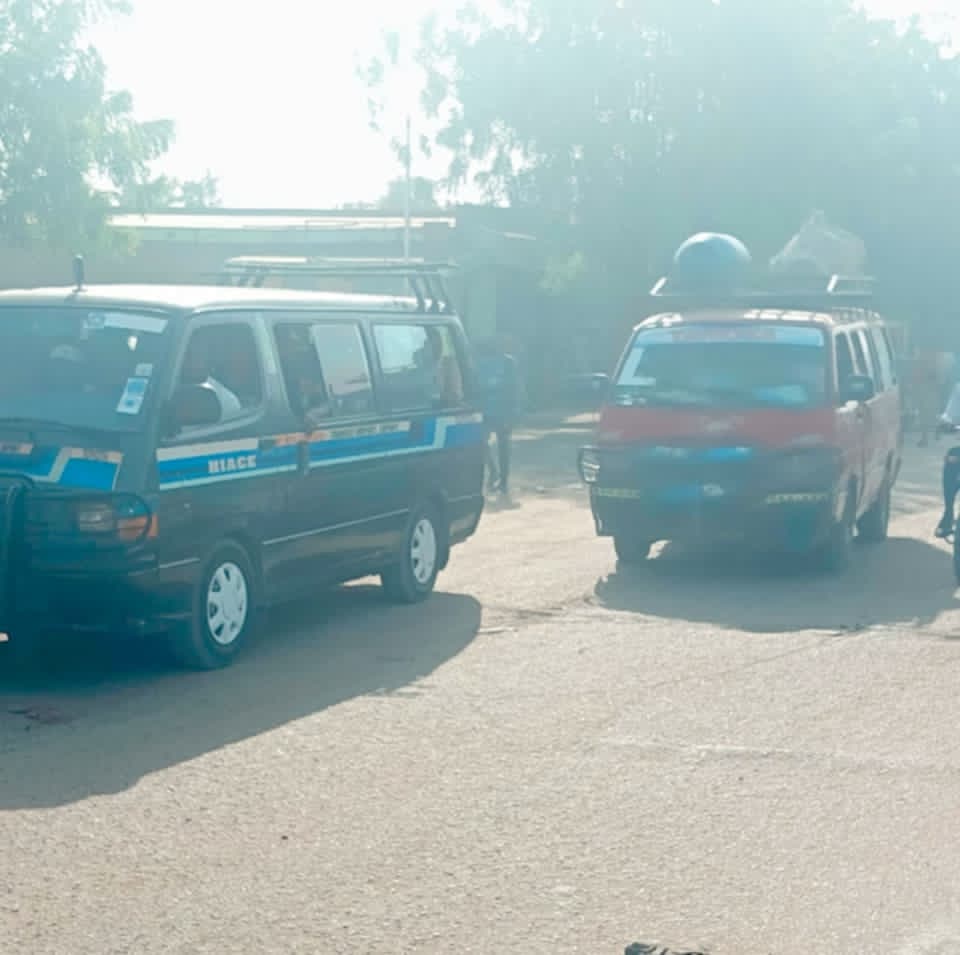
N’Djamena tackles unregulated minibus stops for safer transport
N’Djamena’s lack of designated minibus stops creates safety hazards and urban chaos. Structural solutions are urgently needed to enhance mobility and public safety in the capital.
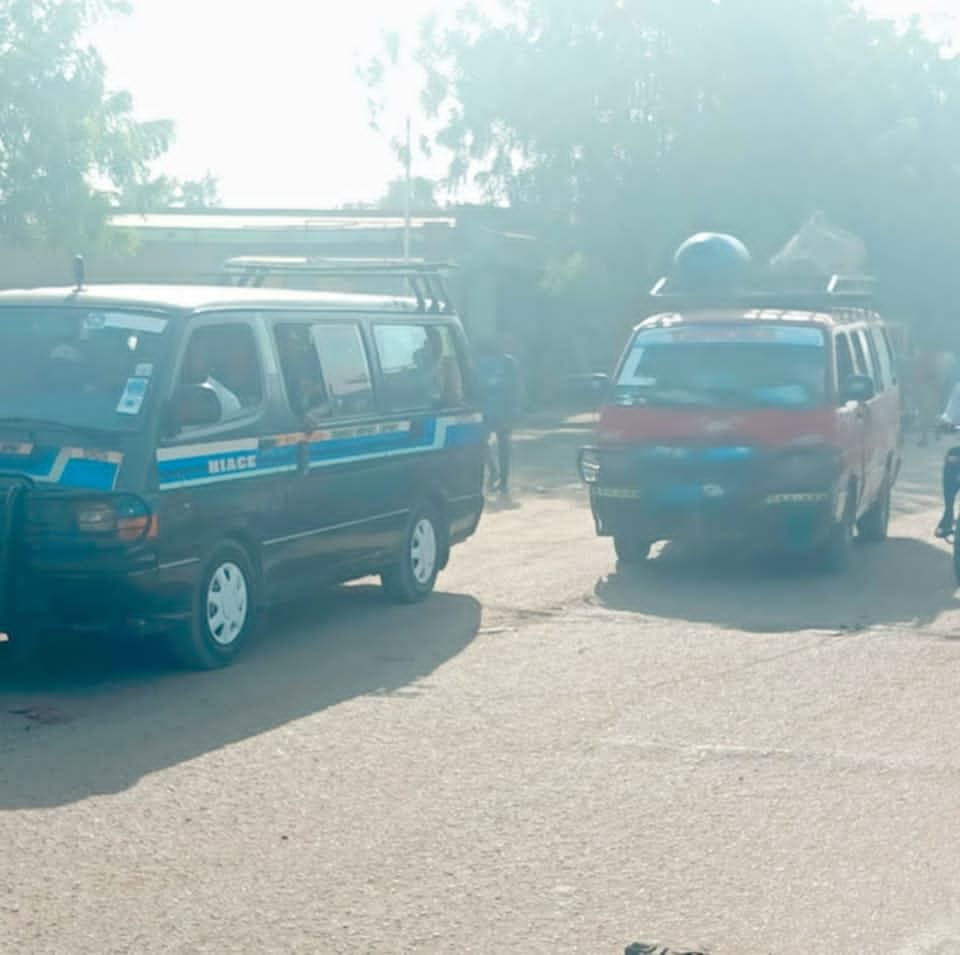
In a capital city undergoing rapid demographic and urban transformation, public transportation has become a critical issue. In N’Djamena, minibuses—relied upon by most residents—operate within an almost entirely informal framework.
Chaos on the roads
The absence of properly designed minibus stops has led to unsafe conditions: sudden stops in traffic, chaotic road conditions, and frequent accidents. Daily, on the city’s main thoroughfares, minibuses halt abruptly to pick up or drop off passengers, forcing drivers to pull over on busy roads where space is already at a premium.
This unregulated behavior clogs traffic and exposes commuters to high collision risks, particularly during rush hours. Pedestrians, too, are forced to weave between vehicles to board or alight, navigating an environment that offers little security.
A straightforward yet transformative solution
Establishing designated minibus stops emerges as a simple yet powerful intervention. By identifying regular intervals—every 150 to 200 meters, depending on neighborhood density—these zones could streamline passenger boarding and disembarking. Beyond improving traffic flow, such spaces would curb reckless driving linked to unplanned stops.
This initiative isn’t just about safety; it’s about reimagining urban mobility. Cities across Africa facing similar challenges have seen dramatic improvements in road discipline and transport efficiency after implementing structured stop systems. N’Djamena cannot afford to fall behind.
Collaboration is key
Local authorities, transport officials, and informal sector operators must work together to make this vision a reality. Installing clear signage, building small shelters, and educating drivers could serve as practical first steps. Yet infrastructure alone won’t suffice—political will and collective organization are essential.
With urban growth accelerating, anticipating mobility needs is no longer optional—it’s imperative. By structuring minibus stops, N’Djamena can invest in safer, smoother, and more modern transportation for its residents.