
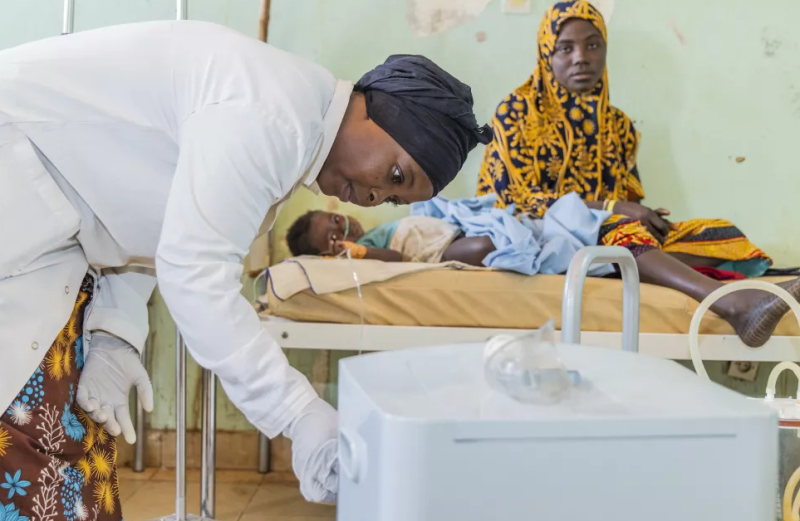
The Republic of Niger is stepping up its healthcare ambitions by launching a five-year integrated health ecosystem initiative, backed by a landmark $179.3 million bilateral agreement with the United States. This partnership underscores a shared commitment to tackling some of the country’s most pressing public health challenges while building a robust, future-ready health infrastructure.
how the partnership breaks down
The agreement allocates $107.4 million from the United States to support critical health interventions in Niger, including:
- Malaria control — strengthening prevention, diagnosis, and treatment programs across high-risk regions
- Maternal and child health — expanding access to prenatal care, skilled birth attendance, and postnatal support
- Epidemic surveillance and response — modernizing early warning systems to detect outbreaks faster and coordinate rapid interventions
The Government of Niger is contributing $71.9 million from its national budget, demonstrating strong local ownership and alignment with the country’s broader health development goals.
a digital health backbone for resilience
A key component of the initiative is a $5 million investment in a nationwide digital health ecosystem. This integrated platform will connect six critical systems:
- Electronic health records (EHRs)
- Laboratory and pharmacy management
- Epidemiological surveillance
- Health product inventory tracking
- Pharmaceutical supply chain oversight
- A national health data warehouse
By consolidating health data into a single, interoperable system, Niger aims to improve decision-making, reduce inefficiencies, and enhance its ability to respond to health threats in real time.
strategic alignment and global impact
This collaboration aligns with the U.S. “America First” global health strategy, which emphasizes partnerships that strengthen health security and promote self-reliance in partner nations. The Niger accord is part of a wider effort, alongside a $60.8 million agreement with the Dominican Republic, to invest over $240 million in health systems across the Americas and Africa.
Together, these initiatives are designed to create resilient health systems capable of early detection and rapid response to emerging threats — a cornerstone of global health security.



More Stories
Niger: Tiani faces fallout from special forces anger after Russian intervention
Mali : 17 morts dans les rangs des dozos, le JNIM accentue sa pression
Sahel : le pari des juntes tourne-t-il à l’échec sécuritaire ?