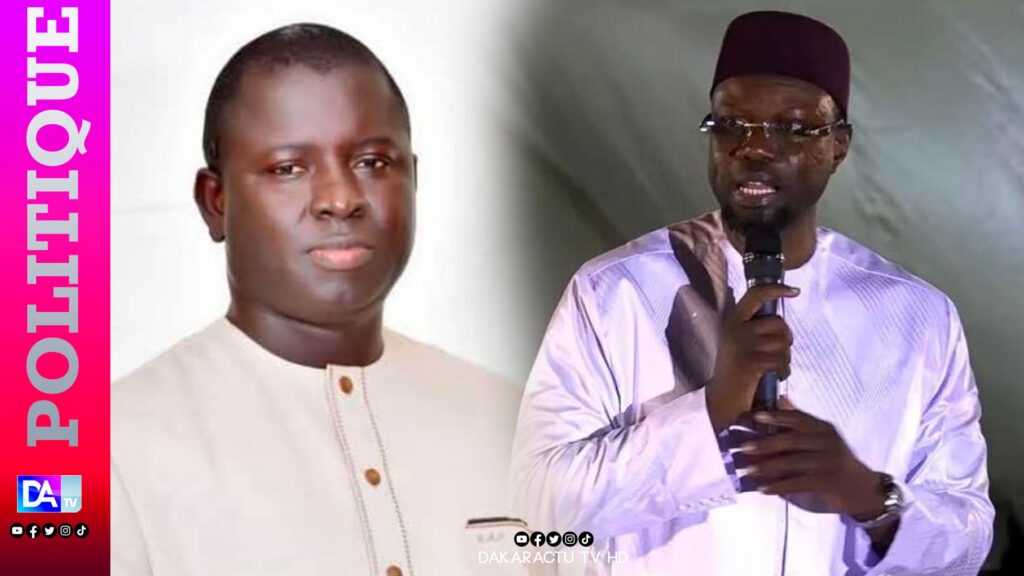
The political landscape of Senegal is witnessing a dramatic transformation, where the once-familiar culture of perpetual challenges now seems to overshadow the core principles of republican governance. Once a vocal opposition leader and briefly a member of government, Ousmane Sonko, head of the Pastef party, has shifted from a strategy rooted in popular resistance to an unprecedented stance of institutional obstruction.
From “Gatsa-Gatsa” to “Maa Tay”: A Radical Shift in Strategy
His political journey began with the slogan *Gatsa-Gatsa* (« short tail pays for its shortness »), a rallying cry originally designed to justify a confrontational response against the former regime. This approach, though framed as a form of resistance, has increasingly evolved into a method of relentless manipulation of the nation’s foundational values. What started as a tactic to counter perceived injustices has morphed into a broader strategy of destabilization.
After securing a prominent position in the National Assembly through what many described as a politically charged maneuver, Sonko sought to push an ambitious constitutional reform agenda. However, the Constitutional Council delivered a decisive verdict: the proposal was rejected. This legal setback acted as a catalyst, not for reflection or compromise, but for an even more aggressive posture.
Institutional Defiance and the Rise of “Maa Tay”
The concept of *Maa Tay* (« I don’t care ») has now taken center stage. By openly vowing to obstruct government actions and disregarding the most basic norms of republican etiquette, Sonko’s approach raises serious questions about the future of Senegalese democracy. It is no longer merely a matter of political opposition—it has become a challenge to the very foundations of the state:
- Deliberate obstruction, even at the cost of national paralysis;
- Disregard for judicial decisions and constitutional rulings, driven by political posturing;
- Holding institutions hostage out of frustration over blocked ambitions to reshape the rules of governance.
Where Will This End?
Senegal’s democracy has long been defined by the strength and resilience of its institutions in the face of crises. However, replacing dialogue with defiance and procedural contempt sets a dangerous precedent. Institutions must endure beyond individuals and their ambitions. Weakening the pillars of the state to mask personal frustrations or hidden agendas risks undermining the very fabric of Senegal itself.
Checks and balances are constitutional rights, not tools for systematic obstruction. When confrontation replaces collaboration, it is not just a political strategy—it is a threat to the nation’s stability.