
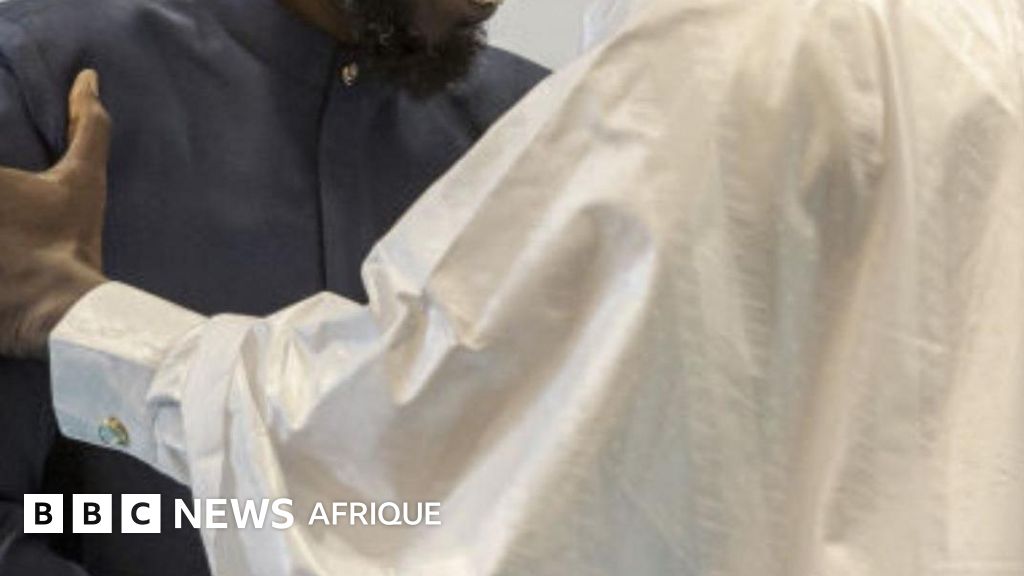
unprecedented political split rocks Senegal
After just two years in office, a major political shake-up has sent shockwaves through Senegal, a nation long regarded as a beacon of stability in West Africa. The abrupt separation between President Bassirou Diomaye Faye and Prime Minister Ousmane Sonko has left the country’s political landscape in uncharted territory.
This unexpected development has thrust Senegal into the global spotlight, raising questions about the future of its governance and the underlying tensions that led to this historic split. What factors contributed to this dramatic rupture at the highest levels of government?
differences over economic policy
At the heart of the disagreement lies a fundamental divergence in economic vision. While both leaders share a commitment to addressing Senegal’s socio-economic challenges, their approaches could not have been more distinct. President Faye has prioritized social investment programs, seeking to rapidly improve living standards through targeted welfare initiatives. In contrast, Prime Minister Sonko championed structural reforms, advocating for long-term economic adjustments to attract foreign investment and stimulate private sector growth.
These conflicting strategies created a growing rift, with each camp accusing the other of undermining their respective agendas. The impasse reached a breaking point when attempts at compromise failed to materialize.
clashing governance styles
The dissolution of this political partnership also highlights stark contrasts in leadership styles. President Faye’s administration has been characterized by a collaborative, consensus-driven approach, emphasizing inclusivity and dialogue with various stakeholders. Prime Minister Sonko, however, operated with a more decisive, top-down management style, often pushing for swift implementation of his policies without extensive consultation.
This fundamental mismatch in governance philosophies eroded mutual trust and made day-to-day collaboration increasingly difficult. The inability to reconcile these differences ultimately led to the decision to part ways.
ideological disagreements
Beyond policy and style, ideological differences played a crucial role in the split. President Faye’s government has positioned itself as a champion of progressive reforms, advocating for greater transparency in governance and expanded civil liberties. Prime Minister Sonko, while also reform-minded, leaned toward a more populist, redistributive agenda, prioritizing immediate economic relief for marginalized communities.
These competing visions created friction within the administration, with each leader attempting to steer the country in a direction that aligned with their core beliefs. The ideological divergence proved insurmountable in the face of mounting political pressures.
personal ambitions and power dynamics
Underlying personal ambitions and shifting power dynamics also contributed to the rupture. As Prime Minister Sonko consolidated influence within his political base, concerns grew about the balance of power within the executive branch. President Faye, mindful of maintaining control over key decision-making processes, found it increasingly difficult to reconcile Sonko’s growing autonomy with his own vision for the country’s leadership.
This delicate power struggle reached a tipping point, forcing both leaders to confront the reality that their partnership could no longer function effectively. The decision to dissolve their alliance reflects the harsh reality that personal ambitions and institutional power dynamics had become incompatible with cohesive governance.


More Stories
Ousmane Sonko’s firm stance on Senegal’s FMI agreement demands full transparency
Senegal’s institutional crossroads: the unfolding dynamic between Ousmane Sonko and Bassirou Diomaye Faye
Minister abdourahmane diouf reignites feud with ousmane sonko over special credits reform