
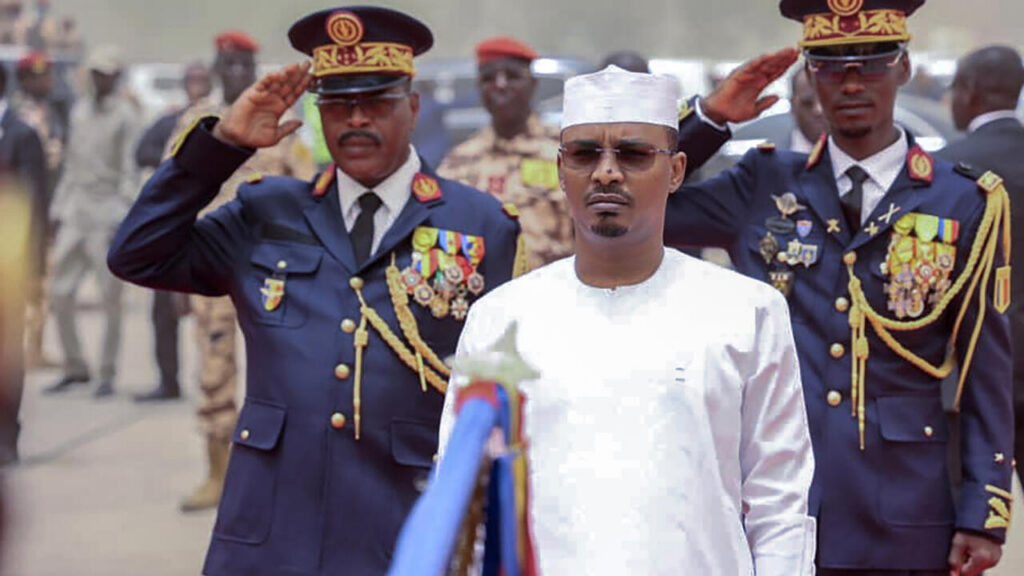
Voices from Chad: navigating political unrest
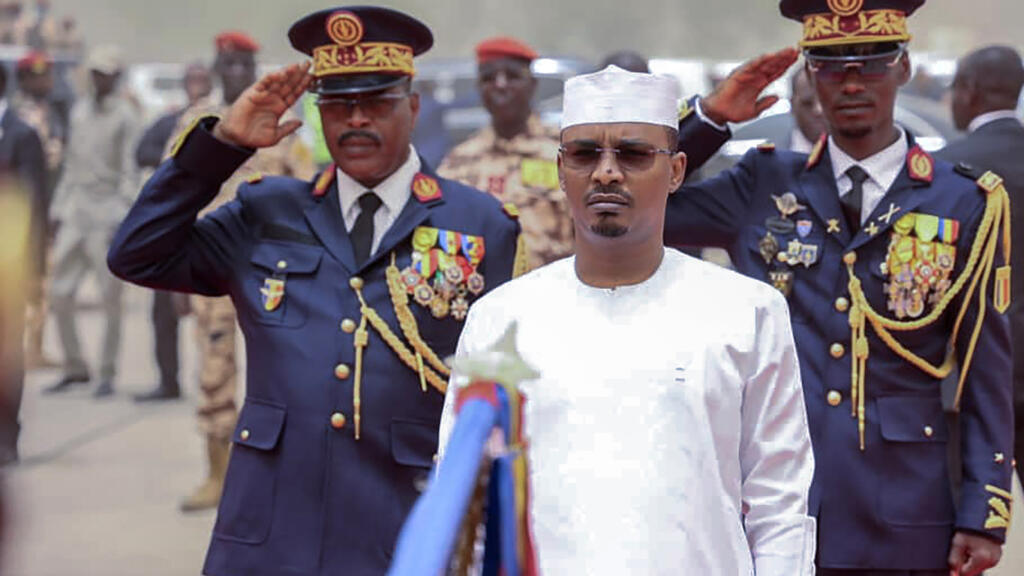
In Chad, the recent sentencing of eight opposition leaders to eight years in prison has ignited sharp debates. While critics warn of a growing erosion of public freedoms, the ruling MPS party urges all political stakeholders to embrace constructive dialogue. How are these escalating tensions between the government and opposition perceived by the public? We welcome your perspectives.
Public reactions to Chad’s political climate
The court’s decision has intensified discussions about the state of democracy in Chad. Voices from civil society and political circles highlight concerns over the perceived suppression of dissenting opinions. Meanwhile, government supporters argue that the judicial process must be respected to maintain stability.
Chad’s opposition voices speak out
Opposition figures and their supporters continue to express dismay at the verdict, calling it a setback for democratic values. Some have described the ruling as an attempt to silence political rivals, emphasizing the need for urgent dialogue to bridge divides.
Government stance on political tensions
The MPS party, led by the current administration, has emphasized the importance of dialogue over confrontation. Their call for a unified approach aims to foster a climate of collaboration among political actors, despite the deepening polarization.
How to share your views
Have you been following developments in Chad closely? We invite you to share your thoughts on this critical situation. Your insights are valuable as we seek to understand the broader implications of these political dynamics.
Share your feedback by calling the show’s hotline: +33 9 693 693 70 or sending a WhatsApp message to +33 6 89 28 53 64.
You can also connect with us on social media platforms like Facebook, Twitter, and Instagram.
Join our dedicated WhatsApp channel for real-time updates and discussions.
More Stories
Ousmane Sonko’s firm stance on Senegal’s FMI agreement demands full transparency
Senegal’s institutional crossroads: the unfolding dynamic between Ousmane Sonko and Bassirou Diomaye Faye
Minister abdourahmane diouf reignites feud with ousmane sonko over special credits reform