The political landscape in West Africa remains turbulent, with the recent coup attempt in Benin adding to a wave of instability sweeping the region. Since the start of the decade, military takeovers have reshaped governance in Sahel nations like Burkina Faso, Niger, and Mali, each citing a break from former colonial power France as justification for their actions.
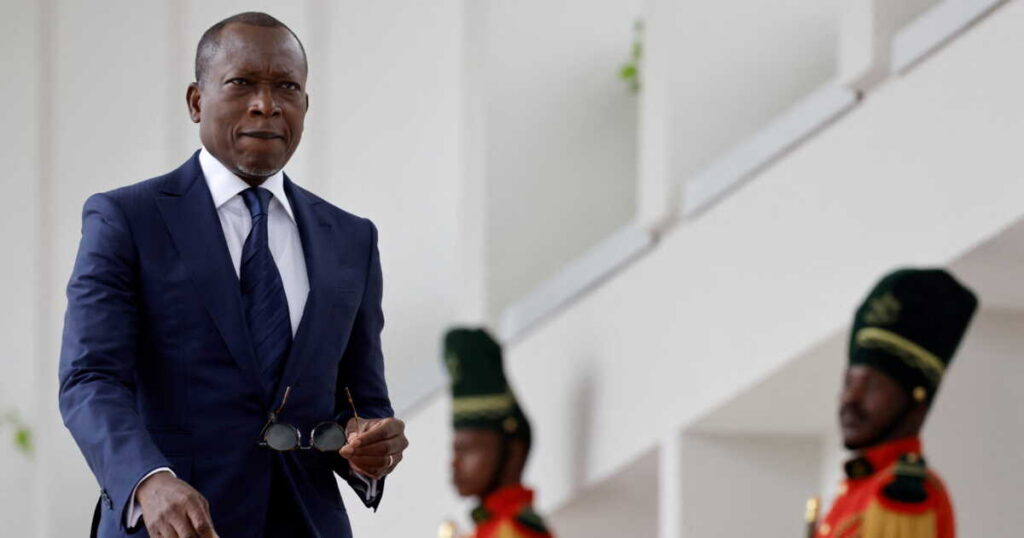
In response to the unfolding crisis in Benin, France has intensified its diplomatic and security cooperation with regional allies. President Emmanuel Macron engaged in high-level discussions with Benin‘s leader Patrice Talon, whose government survived the mutiny, as well as with counterparts from Nigeria and Sierra Leone—the latter currently holding the ECOWAS presidency.
A senior advisor to Macron confirmed France‘s unwavering support for ECOWAS, emphasizing the bloc’s “critical role in restoring regional stability this past weekend.”
the mutiny unfolds in Cotonou
On Sunday morning, eight soldiers broadcast a televised declaration, announcing the ousting of President Patrice Talon. However, by evening, Talon declared the situation “fully under control”, despite reports of clashes between mutineers and loyalist forces.
Nigeria swiftly intervened, conducting airstrikes on the Togbin military base in Cotonou, where rebel troops had barricaded themselves after their televised announcement. Abuja also deployed ground troops, securing the base by early Monday.
ECOWAS responded by announcing the deployment of additional troops from four member states, though specific numbers were not disclosed. The bloc framed the intervention as necessary to “uphold constitutional order” amid escalating regional insecurity.
regional instability and electoral concerns
Omar Alieu Touray, President of the ECOWAS Commission, warned on Tuesday that the region faces a “state of emergency,” citing both the spread of jihadist threats and the surge in military coups. While twelve soldiers have been detained, key instigators—including Lieutenant-Colonel Pascal Tigri, the alleged ringleader—remain at large.
Among the hostages held by the mutineers were two high-ranking officers: the Army Chief of Staff Abou Issa and the National Guard Chief Faïzou Gomina, both released on Monday.
Life in Cotonou quickly returned to normal, though the incident has raised fresh questions about Benin’s political future. Patrice Talon, who has led the country since 2016, is constitutionally barred from seeking a third term and must step down after April’s presidential election.
tensions over democracy and elections
Talon has been both praised for economic progress and criticized for what opponents describe as an “authoritarian shift” in a nation once celebrated for its democratic vibrancy. His preferred successor, Finance Minister Romuald Wadagni, is the frontrunner in the upcoming vote—but the main opposition party, the Démocrates, has been excluded due to insufficient endorsements.
Thomas Boni Yayi, former President and current leader of the Démocrates, condemned the coup attempt in no uncertain terms: “I firmly and unequivocally condemn this violent and despicable attack on our nation,” he stated, while reiterating calls for “free and transparent elections.”
ECOWAS leaders have echoed these concerns, highlighting elections as a “major trigger for instability” across West Africa. Touray pointed to a growing “erosion of electoral inclusivity” in several member states.