The national broadcaster RTS 1 has sparked a wave of indignation across Sénégal following its refusal to air the parliamentary session regarding constitutional changes. This editorial choice has ignited a fierce debate on social media platforms, highlighting growing concerns over how public institutions are covered by the state media.
A controversial media blackout in Sénégal
On Monday, June 29, 2026, the spotlight was on the National Assembly for the examination of legislative proposal n°17/2026. However, the public remained largely in the dark as RTS 1 opted not to provide live coverage of this critical plenary session. This absence of transparency has led to immediate accusations of biased reporting.
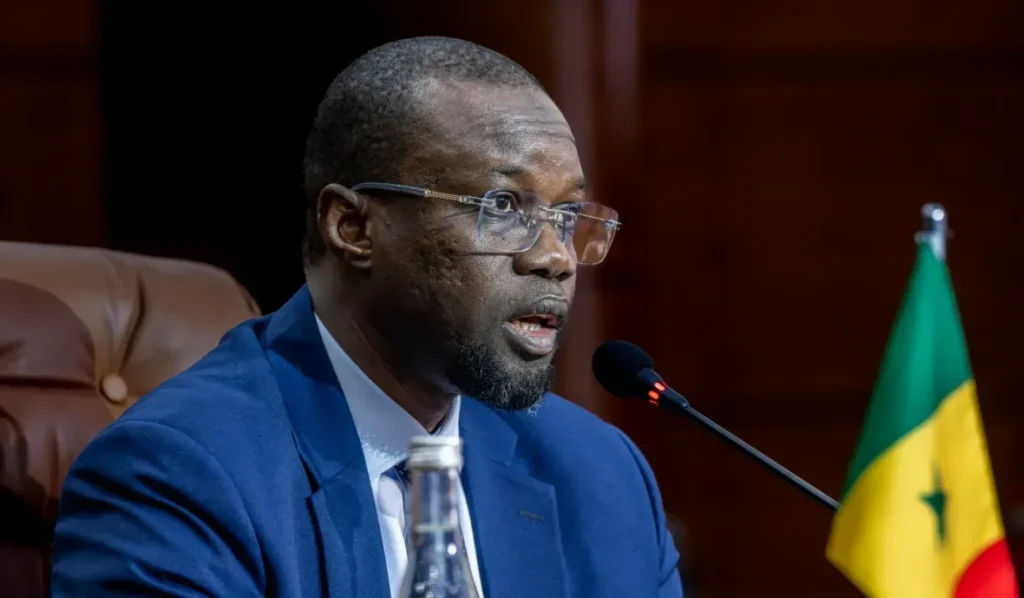
Digital platforms, particularly X, were flooded with criticism shortly after the parliamentary proceedings began. Many observers view this as a deliberate attempt to limit the visibility of certain political actors, specifically Ousmane Sonko, whose role in the institutional debate remains a focal point for the public.
Social media reacts to the editorial choice
The lack of a live feed was widely noted by citizens. One observer, Maps Cissé, pointed out that while the assembly was debating the constitutional revision, the national channel remained silent on the matter. This observation quickly went viral, fueling a broader conversation about the responsibilities of a public service broadcaster.
Public sentiment ranges from deep disappointment to a sense of weary resignation. While some citizens claim they are no longer surprised by such decisions, others argue that the systematic exclusion of key political events undermines democratic discourse. Expressions of “incomprehension” and “frustration” dominate the online landscape as the Sénégalese public demands more inclusive media coverage of its governing institutions.