The human rights landscape in the eastern regions of the Democratic Republic of the Congo (DRC) has hit a state of “exceptional gravity.” This alarming assessment was delivered this Monday, June 29, by the United Nations Independent Commission of Inquiry, which highlighted harrowing reports of extreme violence against the civilian population.
During its inaugural update to the Human Rights Council in Geneva, the commission tasked with monitoring South Kivu and North Kivu painted a grim picture of the current environment. The security situation continues to spiral downward, characterized by the mass displacement of residents, the erosion of state authority, and a deeply entrenched regional conflict.
« The data we have gathered indicates a situation that is exceptionally grave », stated Arnauld Akodjenou, the head of the Commission.
Severe atrocities and rights violations
The investigative team has documented a wide range of horrific abuses. Testimonies point to systematic sexual violence tied to the conflict, including instances of sexual slavery. Investigators have also gathered evidence of extrajudicial killings, illegal detentions, and the forced conscription of civilians, including minors, into armed groups.
Furthermore, the destruction of vital public infrastructure, such as healthcare centers and schools, has been identified as a recurring violation of international standards.
« We have listened to deeply distressing accounts regarding the treatment of children and the prevalence of conflict-related sexual assault », Arnauld Akodjenou added.
Civilians left without protection
The Commission pointed out that those living in the conflict zones are frequently left entirely vulnerable. Displaced individuals, women, and children remain the primary targets of these atrocities. This humanitarian emergency is further complicated by significant hurdles in delivering aid, while reports of abuse within detention facilities—where basic legal rights are often ignored—continue to emerge.
« No individual should be targeted for cooperating with United Nations human rights mechanisms », noted Commissioner Clément Voule.
An ongoing investigation
Established by the Human Rights Council, this Commission is mandated to investigate suspected breaches of international human rights and humanitarian law in the eastern DRC. Currently, the work is in its preliminary stages.
« The Commission is not yet making final determinations on facts or specific responsibilities », explained Commissioner Maxine Marcus, emphasizing that their methodology remains focused on the needs of survivors and victims.
Since starting its mission, the team has held more than 50 virtual consultations and over 30 in-person sessions with various stakeholders. During a visit to Kinshasa in early June, the investigators met with government officials, international partners, and members of civil society, including representatives from 35 different organizations.
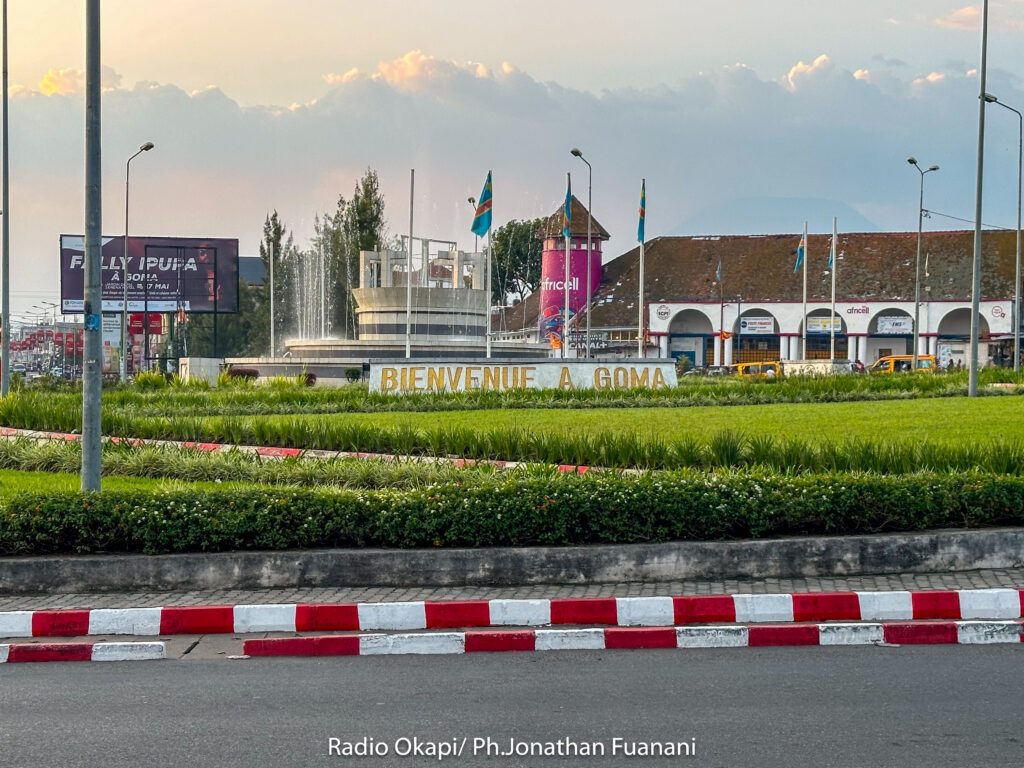
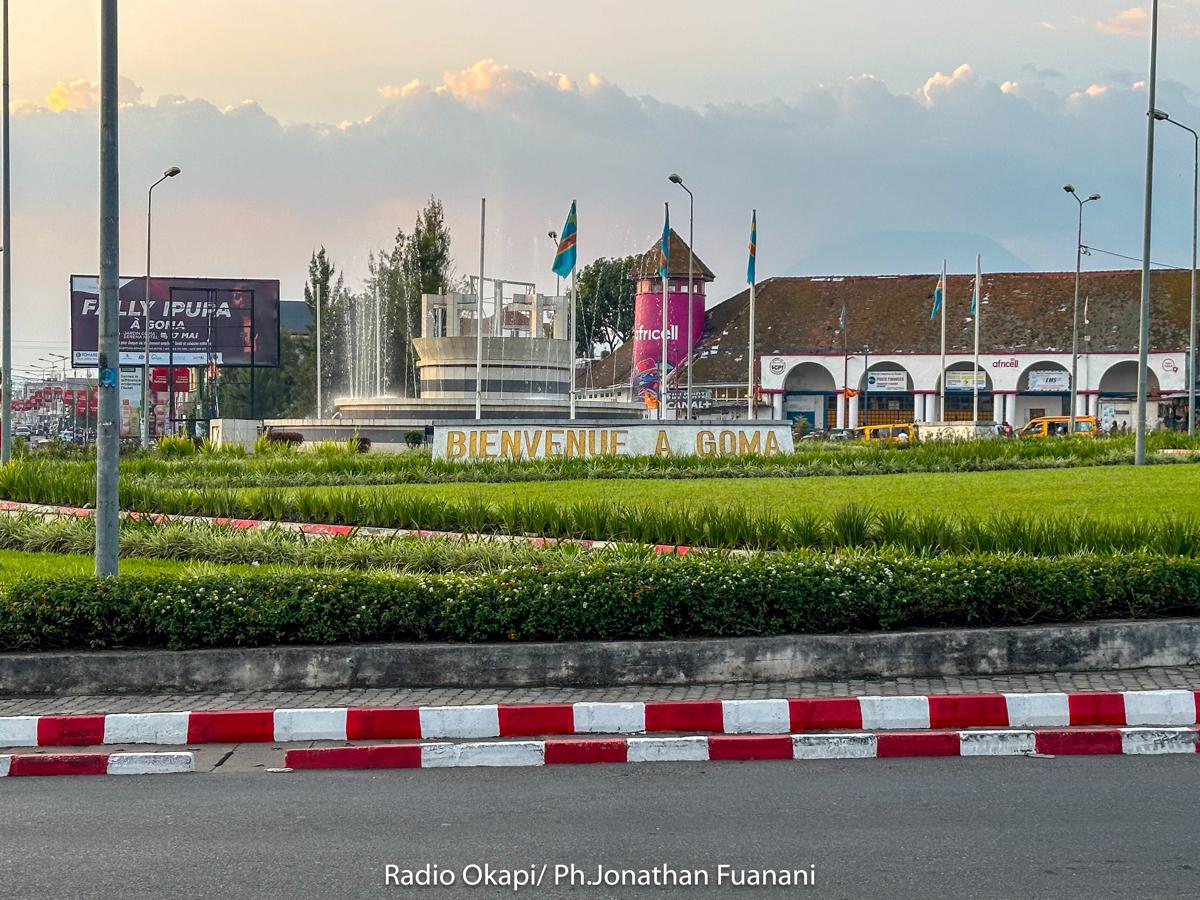
However, the volatile security climate has so far prevented the team from traveling to Goma and other high-risk areas in the east, though they intend to visit as soon as safety conditions allow.
A multifaceted emergency
Beyond the immediate physical violence, the Commission describes a crisis that touches every aspect of life, including governance, education, the economy, and public health. The ongoing warfare and population shifts are occurring alongside health threats, such as the Ebola epidemic.
In light of these challenges, the UN body is calling on all warring parties to ensure that humanitarian assistance can reach the most vulnerable populations swiftly and without interference.
Urgent call for international intervention
The Commission maintains that victims must be at the heart of any strategy to combat impunity. It is urging both the national government and the global community to take immediate steps to address the crisis.
Key recommendations include:
- The preservation of secure humanitarian corridors.
- Enhanced protection for local human rights observers and defenders.
- Robust support for transparent and independent investigations.
« The level of suffering we have witnessed requires more than just concern; it demands a thorough investigation and a resolute international response », concluded Arnauld Akodjenou.
The Commission remains dedicated to its impartial mandate to establish the truth and seek justice for those who have been wronged in this ongoing conflict.