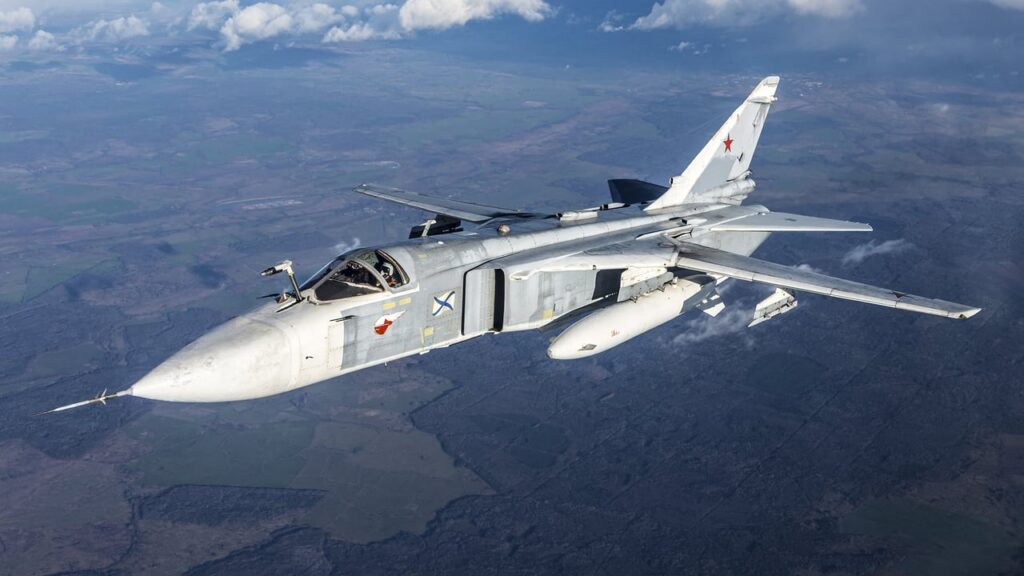

On the night of May 16-17, 2026, residents of the remote village of Tadjmart in the Kidal region of northern Mali witnessed a devastating aerial attack. From the sky, hundreds of tiny metal spheres—each no larger than a fruit—rained down on the settlement. Many exploded upon impact with the ground or homes, claiming multiple lives and leaving others severely injured.
what happened in the village of tadjmart?
According to local survivors, the attack occurred shortly after midnight. The metallic fragments, later identified as components of cluster munitions, scattered across homes and farmland. The sheer volume made it impossible for residents to avoid the deadly fallout, which continued for several terrifying minutes.
By dawn, the grim toll became clear: several villagers were killed, while others suffered horrific injuries. The incident has sent shockwaves through the region, raising urgent questions about military accountability and the protection of civilians in conflict zones.
who is being blamed for the attack?
The Africa Corps, a Russian military group operating in Mali under controversial circumstances, has been directly implicated in the bombing. Investigations suggest that the cluster munitions used in the attack bear markings and characteristics consistent with Russian-supplied weaponry. International observers and local authorities are now demanding full transparency and an independent inquiry into the incident.
The Africa Corps has yet to issue an official statement regarding the allegations. However, this is not the first time the group has faced accusations of indiscriminate violence against civilian populations in the Sahel.
international reaction and calls for accountability
The alleged use of cluster bombs in Mali has drawn sharp condemnation from global human rights organizations and regional bodies. Calls for a ceasefire and stricter enforcement of international humanitarian law are growing louder, particularly as evidence mounts of civilian casualties from prohibited weapons.
Human rights advocates argue that the deployment of such munitions violates international treaties, including the Convention on Cluster Munitions, which Mali has ratified. The incident underscores the urgent need for robust monitoring and enforcement mechanisms to prevent further atrocities.
what’s next for Mali’s security situation?
As Mali continues to grapple with instability, the Tadjmart attack serves as a grim reminder of the human cost of war. Local leaders are urging international partners to prioritize civilian protection and support investigations into war crimes. Meanwhile, the Africa Corps’ involvement raises concerns about the escalating militarization of the region and the potential for further civilian harm.
For now, the people of Tadjmart face an uncertain future, with many displaced and traumatized by the attack. Their story is a stark warning of the dangers posed by unchecked military operations in conflict zones.