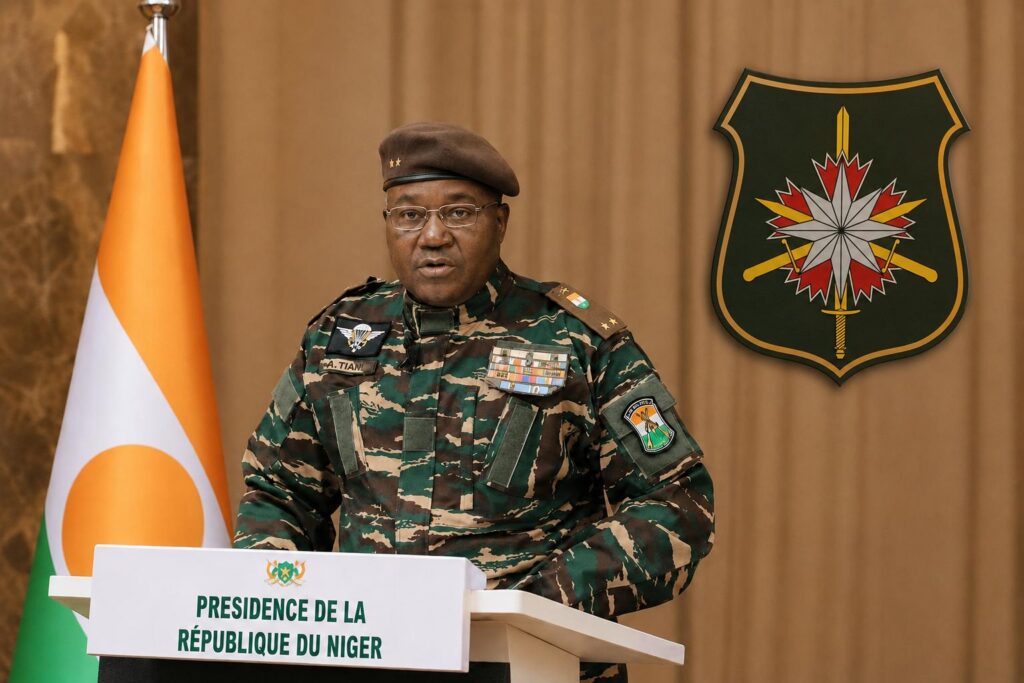
The mutiny that shook Niamey on August 29, 2026, exposed deeper fractures within Niger’s military apparatus. What began as a localized insurrection within the elite Special Forces—critical to the nation’s anti-jihadist operations—unfolded into a stark reminder of the junta’s internal fragility. Mounting casualties, leadership disputes, and operational fatigue have eroded trust at the highest levels of the military command, revealing cracks in the very backbone of the regime’s security strategy.
From Tactical Partners to Regime Guardians: The Evolving Role of Africa Corps
The swift intervention by Africa Corps (formerly Wagner) to quell the uprising at Air Base 101 marked a pivotal shift in Niger’s security paradigm. What started as a supplementary force for counter-terrorism training and support has now become the regime’s ultimate safeguard against its own military discontent. Their presence is no longer just an asset on the battlefield—it serves as the lifeline protecting Niamey’s leadership from internal collapse.
This growing reliance on foreign troops has redefined priorities. While Africa Corps secures the presidential palace and neutralizes mutinies within hours, the broader mission of protecting Niger’s citizens and territory takes a backseat. The junta’s survival now hinges on the foreign contingent’s ability to act as both a shield and a stabilizing force, leaving the nation’s long-term security architecture dangerously unbalanced.
Where Protection Fails: The Growing Chasm Between Power and People
A glaring disparity has emerged between the hyper-militarized safeguarding of political power and the escalating vulnerability of ordinary Nigeriens. The contrast is evident in the stark realities faced by residents of the capital and its outskirts:
- Elite Forces Lock Down the Capital: Within minutes, armored units and Africa Corps contingents seal off key infrastructure—airports, government buildings, and strategic zones—to prevent any threat to the regime. The message is clear: the junta’s hold on power is non-negotiable.
- Unsecured Peripheries: The September 2 attack near Koubia, just outside Niamey’s perimeter, shattered the illusion of invulnerability. Repeated assaults on checkpoints (Koubia, Karey Gorou, and even the city’s airport) prove that armed groups exploit gaps in security, despite the presence of foreign troops.
- Citizens Trapped in the Crossfire: While official narratives tout sovereignty and alliances, civilians in the Tillabéri region endure relentless insecurity, roadblocks, and deteriorating living conditions. The promise of stability remains distant, overshadowed by the daily reality of fear and uncertainty.
The paradox is undeniable: the more the regime fortifies itself with foreign forces to stave off coups and internal rebellions, the more it neglects the very people it claims to protect. Niamey’s security theater, built on the illusion of control, is crumbling under the weight of its own contradictions.