
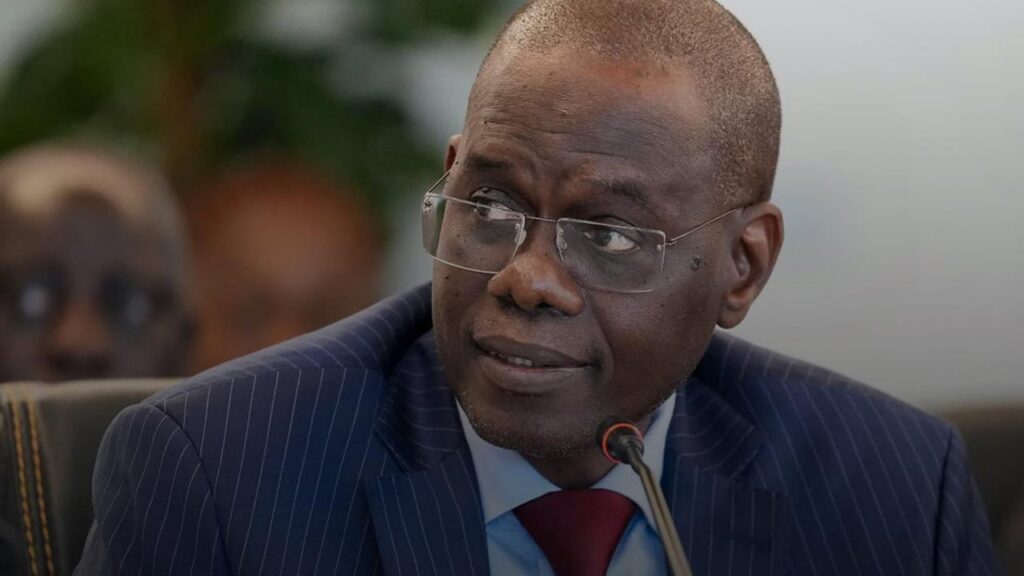

Senegal’s debt challenges intensify amid political shifts and IMF negotiations
The recent political transition in Senegal has sparked fresh conversations about the country’s economic trajectory, particularly regarding its burgeoning debt and potential engagement with the International Monetary Fund (IMF). With Ousmane Sonko no longer at the helm, policymakers are reassessing strategies to stabilize public finances and secure vital funding.
How Senegal’s leadership change impacts economic policy
The departure of Ousmane Sonko from key decision-making roles has left a noticeable void in Senegal’s economic policy framework. His administration had adopted a firm stance against external financial interventions, which clashed with the IMF’s recommended structural reforms. Now, with new leadership in place, the door may be opening for dialogue with global financial institutions.
The incoming government faces mounting pressure to address Senegal’s rising debt levels, which have surged in recent years due to infrastructure projects and social spending. Analysts warn that without external support, fiscal sustainability could become increasingly precarious.
IMF negotiations: a potential lifeline for Senegal’s economy
Discussions with the IMF could provide Senegal with much-needed liquidity and policy guidance. The Fund’s involvement typically includes fiscal consolidation measures, governance improvements, and targeted reforms to enhance economic resilience. However, any agreement would likely come with stringent conditions that could influence domestic policies for years to come.
The IMF’s Managing Director, Kristalina Georgieva, has previously emphasized the importance of balanced debt management and sustainable growth. If negotiations progress, Senegal may gain access to concessional loans and technical expertise to navigate its financial challenges.
Public debt in Senegal: key challenges and opportunities
Senegal’s debt-to-GDP ratio remains a critical concern for economists and investors. While public investment has fueled economic growth, it has also led to higher borrowing costs and exposure to global financial fluctuations. The new administration must strike a delicate balance between sustaining development projects and avoiding over-leveraging.
Potential benefits of an IMF program include:
- Access to low-interest financing to refinance existing debt
- Structural reforms to improve revenue collection and reduce wasteful spending
- Enhanced credibility in international markets, attracting foreign investment
What’s next for Senegal’s economy?
The coming months will be pivotal in determining whether Senegal can secure an IMF program without compromising its sovereignty. While the political shift has created uncertainty, it also presents an opportunity to reset economic priorities and adopt more pragmatic solutions.
Stakeholders across sectors will be closely monitoring developments, as the outcome could shape Senegal’s financial stability and growth prospects for the decade ahead.



More Stories
Niger: Tiani faces fallout from special forces anger after Russian intervention
Mali : 17 morts dans les rangs des dozos, le JNIM accentue sa pression
Sahel : le pari des juntes tourne-t-il à l’échec sécuritaire ?