
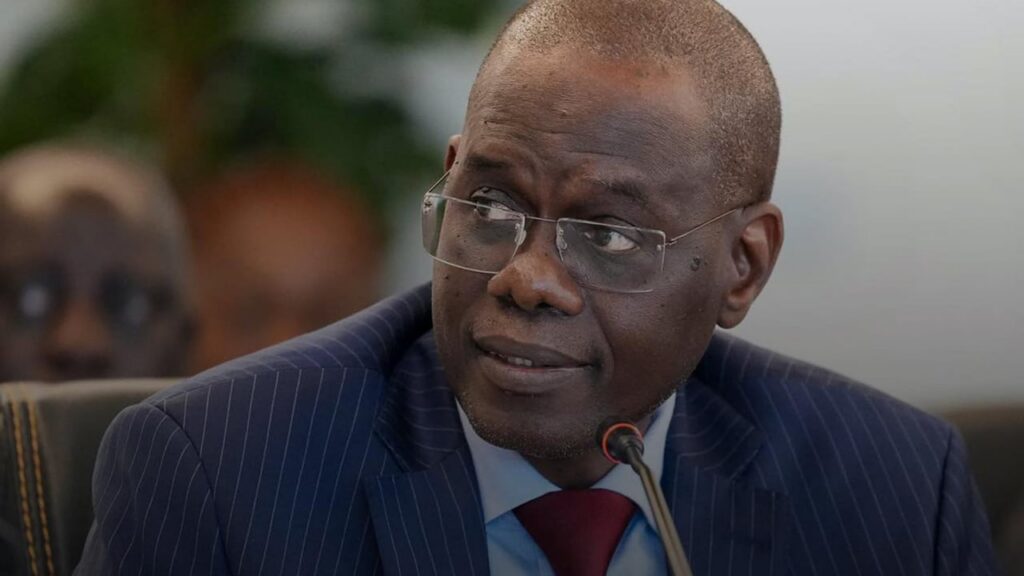

The political shake-up in Senegal has reignited discussions around the country’s mounting public debt and potential negotiations with the International Monetary Fund (IMF). With Ousmane Sonko’s departure from office, analysts are closely examining whether this transition could unlock a long-awaited economic restructuring plan.
The debt burden, which has surged in recent years, now stands at levels that demand urgent action. Economists warn that without strategic reforms, Senegal risks deeper financial instability. The IMF, a key player in global debt relief initiatives, has previously emphasized the need for fiscal discipline and transparency in managing sovereign debt.
What does a potential IMF program entail for Senegal?
An IMF-backed program typically includes conditions aimed at stabilizing public finances, such as reducing deficits, reforming tax systems, and improving governance. These measures, while intended to restore economic health, often come under scrutiny for their social impact, particularly on vulnerable communities.
In Senegal, where youth unemployment and income inequality remain pressing concerns, any fiscal tightening could face resistance from policymakers and the public alike. The question now is whether the new leadership can strike a balance between meeting IMF requirements and protecting social welfare.
Key factors influencing the outcome
The success of debt negotiations hinges on several critical elements:
- Political stability: A smooth transition of power is essential to maintain investor confidence and avoid policy disruptions.
- Debt sustainability: Creditors and the IMF will assess whether Senegal’s debt trajectory is manageable under current conditions.
- Reform commitment: The government’s willingness to implement structural changes will determine the feasibility of any agreement.
- External support: Regional partners and international institutions may play a role in facilitating negotiations or providing additional financing.
As Senegal navigates this pivotal moment, the outcome of these discussions could reshape its economic landscape for years to come. Whether the departure of Ousmane Sonko marks a turning point remains to be seen, but the stakes have never been higher.

More Stories
Niger: Tiani faces fallout from special forces anger after Russian intervention
Mali : 17 morts dans les rangs des dozos, le JNIM accentue sa pression
Sahel : le pari des juntes tourne-t-il à l’échec sécuritaire ?