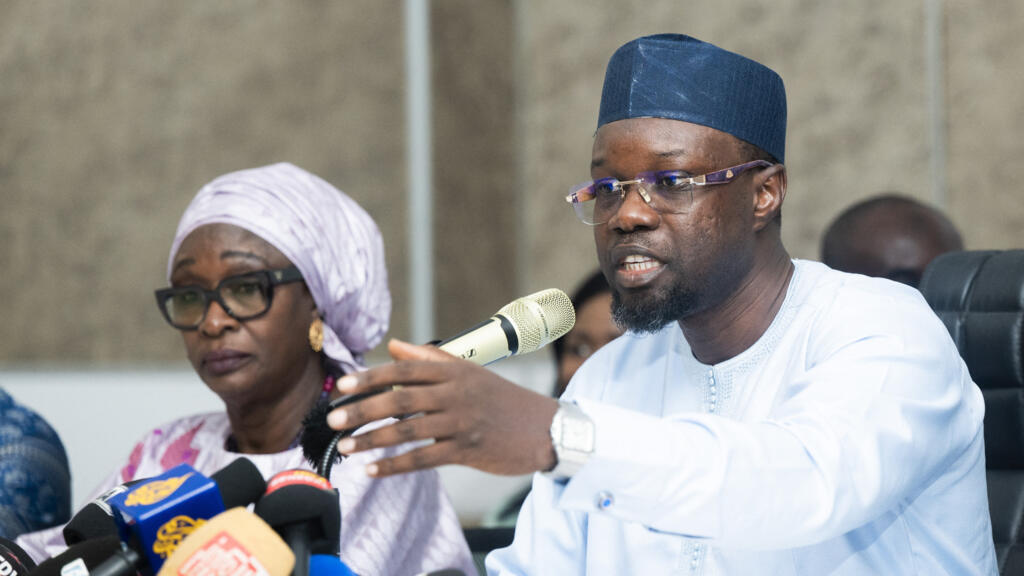
Sénégal: Sonko explains why Pastef declines participation in new government
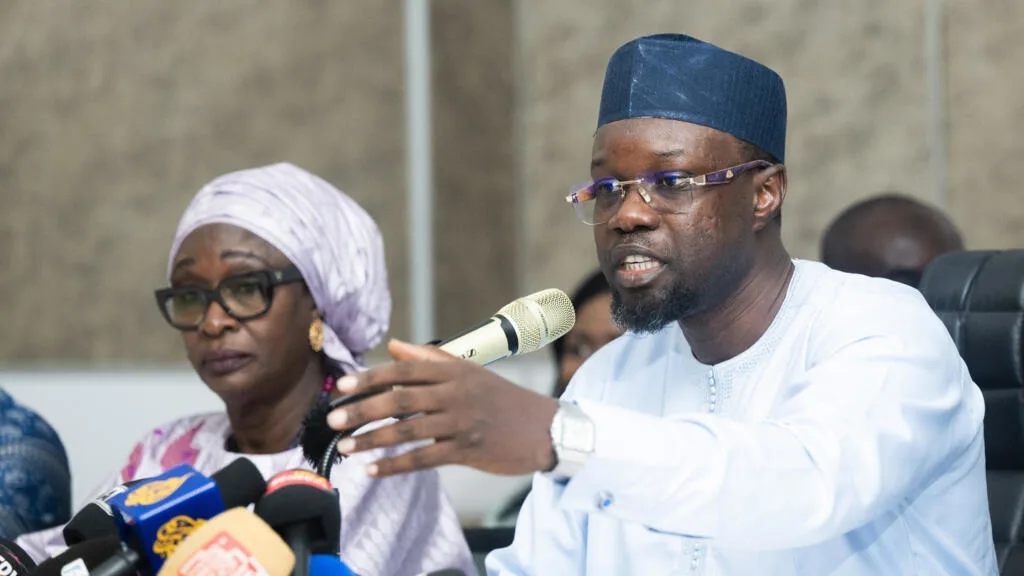
In Senegal, former Prime Minister Ousmane Sonko addressed the press on June 2, detailing the reasons behind his party, Pastef, declining participation in the newly formed government announced a day earlier by his successor, Ahmadou Al Aminou Mohamed Lô.
Fundamental disagreements over political priorities and cabinet portfolio allocations made reconciliation between Sonko and President Bassirou Diomaye Faye unattainable, he explained.
Key programmatic pillars—such as judicial reform, accountability in public spending, and renegotiating strategic national contracts—were non-negotiable for Pastef. Sonko stated he sought explicit commitments from the President on debt management strategies but found the responses lacking in substance.
Sonko’s blunt assessment: responses were “lacking clarity”
“We held discussions, and the President and his Finance Minister confirmed no agreements exist regarding debt restructuring with the IMF. On purchasing power, he vaguely suggested applying ‘price transparency’ to certain subsidized goods. And regarding the judiciary, he claimed Senegal boasts the world’s finest justice system,” Sonko remarked. “All these responses were half-hearted at best.”
On cabinet allocations, Sonko made it clear to the President that Pastef would not join a government unless granted at least half of the ministerial portfolios—a demand unmet by the new administration.
While criticizing the government’s legitimacy—comprising only five ministers from his party, though not officially recognized by Pastef—Sonko also pledged not to initiate a no-confidence motion unless provoked. “We will only act if the President and his team strike first,” he asserted.