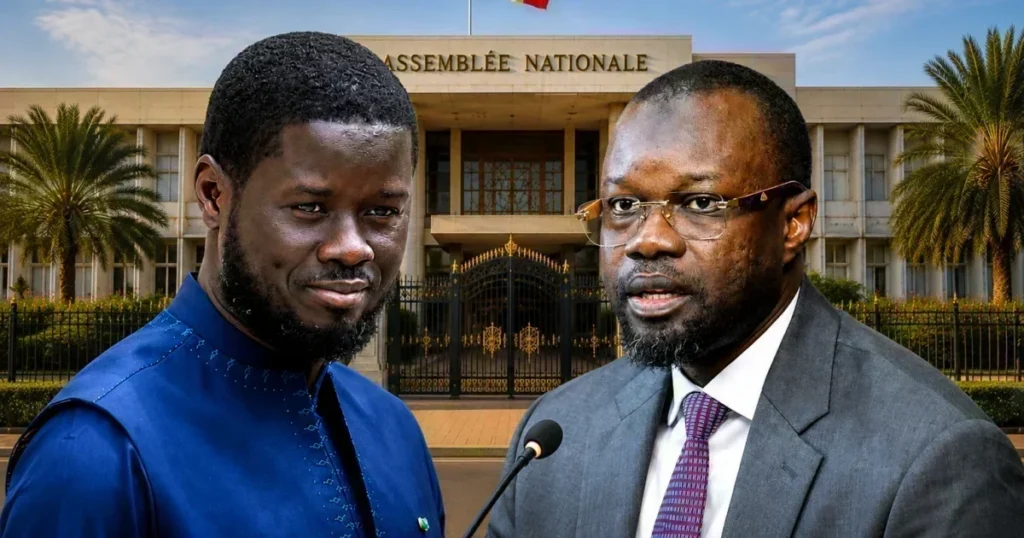
A refusal by a key presidential advisor to appear before Senegal’s land management inquiry has escalated political tensions, raising concerns about institutional harmony and economic fallout. The decision by Demba Dieng, former Director of the Land Registry and current presidential counselor, to defy a parliamentary summons has cast a spotlight on the executive branch’s relationship with legislative oversight.
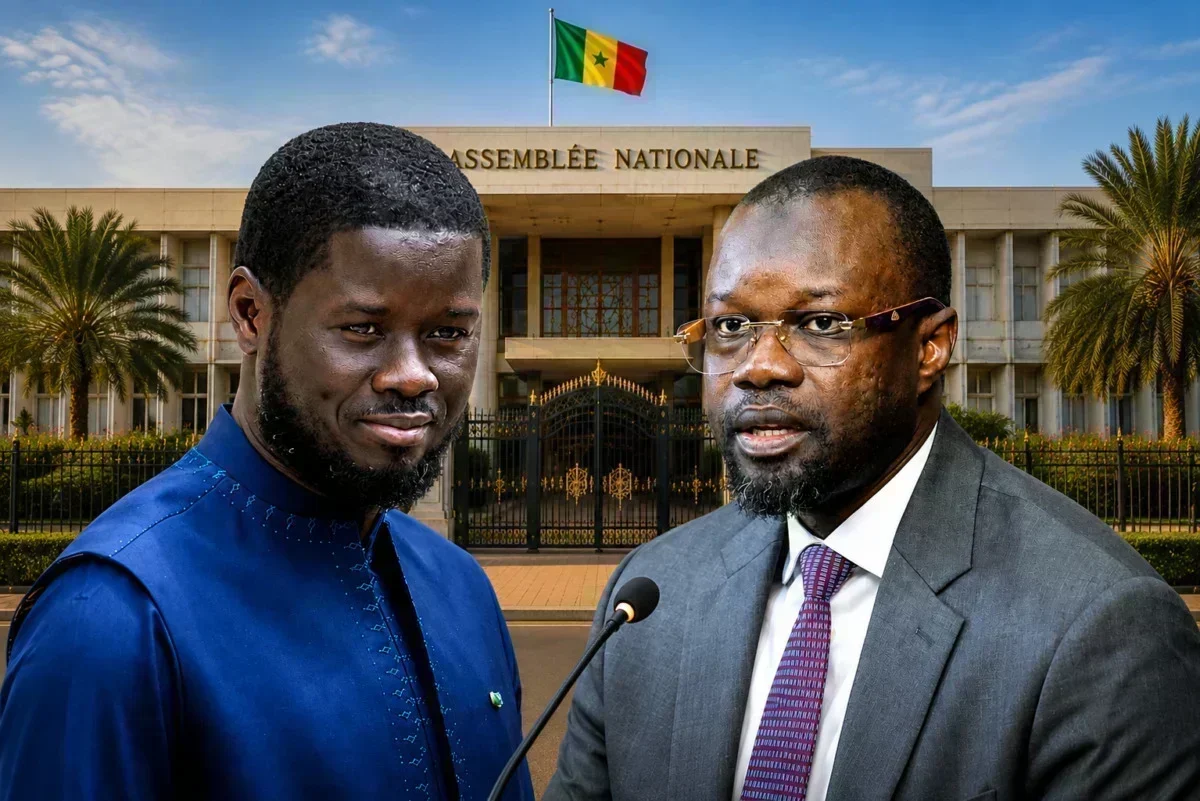
Defiance from the presidential entourage fuels institutional crisis
Demba Dieng’s no-show before the parliamentary inquiry committee examining land management practices represents more than an individual stance—it signals a broader pattern within President Bassirou Diomaye Faye’s inner circle. While military officials previously cited their status as grounds for non-compliance, a civilian advisor’s refusal points to a calculated strategy rather than mere procedural resistance.
The absence of an official explanation from the presidency has fueled speculation. Insiders suggest presidential authorization may be required before advisors can comply with legislative summons, though this claim remains unverified. If true, it implies a centralized directive affecting multiple officials, including ministers, though no evidence supports this yet.
Uncertainty shrouds the land probe as more voices go silent
The inquiry’s latest updates have only deepened the mystery. Dieng’s exact reasoning for declining the summons remains undisclosed, leaving analysts to piece together motives from political commentary. Meanwhile, former Higher Education Minister Daouda Ngom has publicly affirmed his intention to appear before the committee—a stark contrast to the growing reluctance among others.
Ngom controversially claimed that six ministers, past and present, have also rejected their convocations. The assertion lacks corroboration from either the committee or the individuals named, though the absence of transparency adds to the unease gripping Senegal’s political landscape.
What’s next for Senegal’s land management inquiry?
With the committee vowing to press ahead despite the defiance, the stakes are mounting. Each refusal—whether strategic or coincidental—complicates the probe’s ability to unearth truths about land allocation practices under scrutiny. The coming days will reveal whether this becomes a sweeping boycott or an isolated incident, and how the Assembly will respond.
For now, one question looms largest: Is this a deliberate obstruction, or an ad hoc response from officials trying to navigate uncharted political waters?