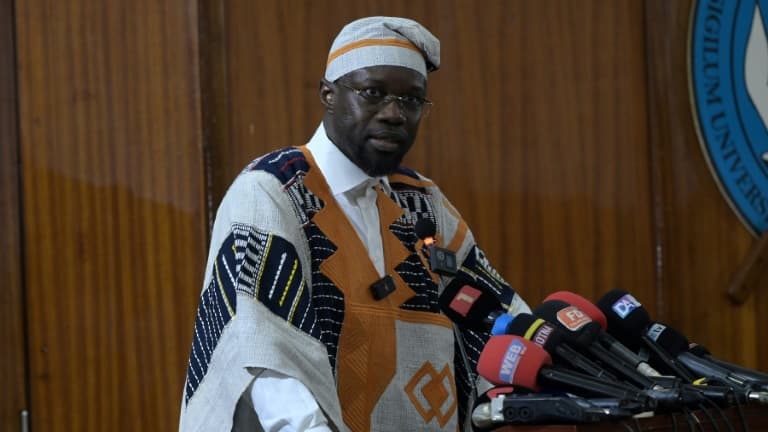
The government of Senegal has doubled penalties for same-sex relations, with convictions now carrying sentences of up to ten years in prison. The controversial legislation, passed in early March and signed into law on March 31 by President Bassirou Diomaye Faye, reflects growing social tensions and a series of arrests linked to alleged homosexuality.
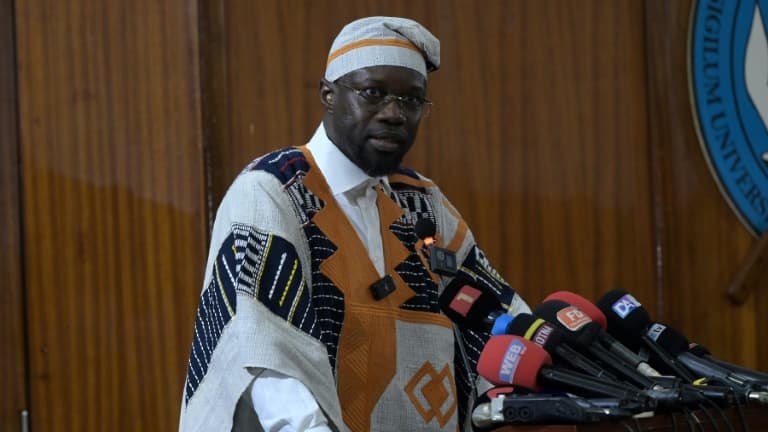 Prime Minister Ousmane Sonko addressed lawmakers on May 22, strongly rejecting what he described as “Western tyranny” seeking to “impose homosexuality on the rest of the world.” His remarks came in response to international criticism following the law’s adoption and underscored the government’s firm stance against foreign interference in domestic policy.
“There is a form of tyranny at play,” Sonko declared. “With eight billion people in the world, a small group—the West—has not resolved this debate internally but, by leveraging its media influence and resources, insists on imposing its views globally. And on what authority?”
He dismissed criticisms from abroad, particularly from France, stating, “If they have chosen these practices, that is their concern. We do not need—or want—their lessons.” He insisted that Senegal remains unconcerned by any condemnation from Asian, African, or Arab nations, adding, “If the law needs to be strengthened further, it will be.”
No room for compromise on enforcement
Sonko categorically rejected calls for a moratorium on the law’s application, responding firmly to a petition signed by some thirty African-origin personalities published in a French newspaper mid-May. The petition warned of rising fear, hatred, and violence in Senegal following the law’s passage.
“There will be no moratorium,” he stated. “Some of our own elites are burdened by complexes.” He urged the judiciary to apply the law with “total, impartial, and flawless rigor,” emphasizing that its primary goal is to “halt the spread of homosexuality.”
Same-sex relations have long been stigmatized in Senegal, where the government has repeatedly framed the tougher penalties as a moral imperative and a long-standing political promise. The new law has become a symbol of national sovereignty amid ongoing debates over cultural identity and international influence.