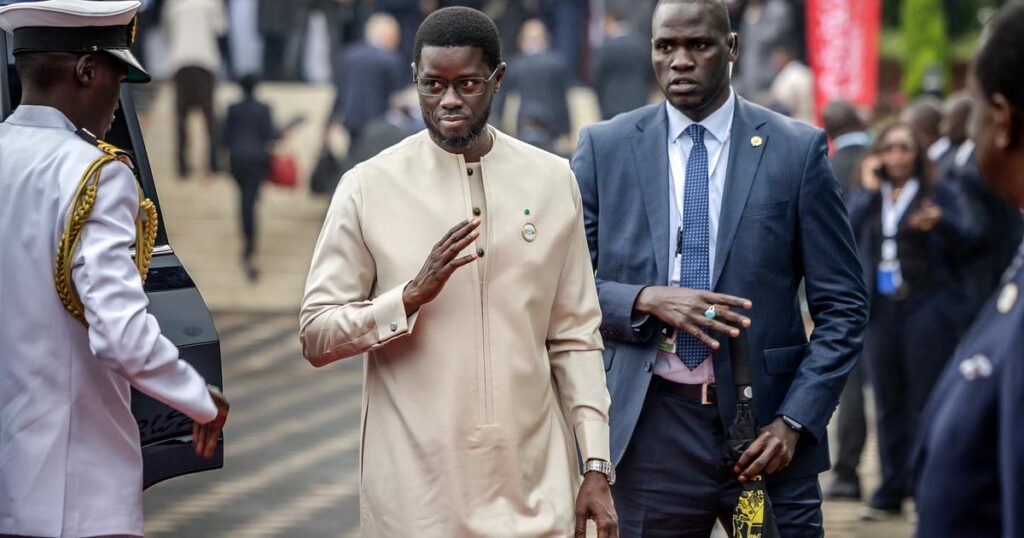
The political landscape in Senegal has undergone a dramatic transformation in a matter of days. Between May 22, when President Bassirou Diomaye Faye dismissed Prime Minister Ousmane Sonko, and May 26, when Sonko was elected to lead the National Assembly, followed by the appointment of a new head of government, Ahmadou Alhaminou Mohamed Lô, on May 25, the country experienced “an unprecedented burst of political activity.”
This rapid reshuffling signifies more than just a change in leadership—it marks a shift in the “balance of power.” The question now arises: could this political realignment influence economic decision-making amid the country’s deepening financial crisis?
Economic experts warn that Senegal stands on the brink of a financial crisis. As highlighted by economist Abdoulaye Ndiaye, the nation’s public debt has ballooned to 132% of GDP, while rising energy costs—exacerbated by disruptions in the Strait of Hormuz—have further strained the budget. The situation continues to deteriorate, making urgent measures necessary.
For months, the International Monetary Fund’s (IMF) proposed economic restructuring faced resistance, particularly from the Pastef party. However, with the recent political changes, analysts suggest that the new administration may adopt a more cooperative stance toward IMF-backed reforms.