Solar energy transforms healthcare in northern Mali
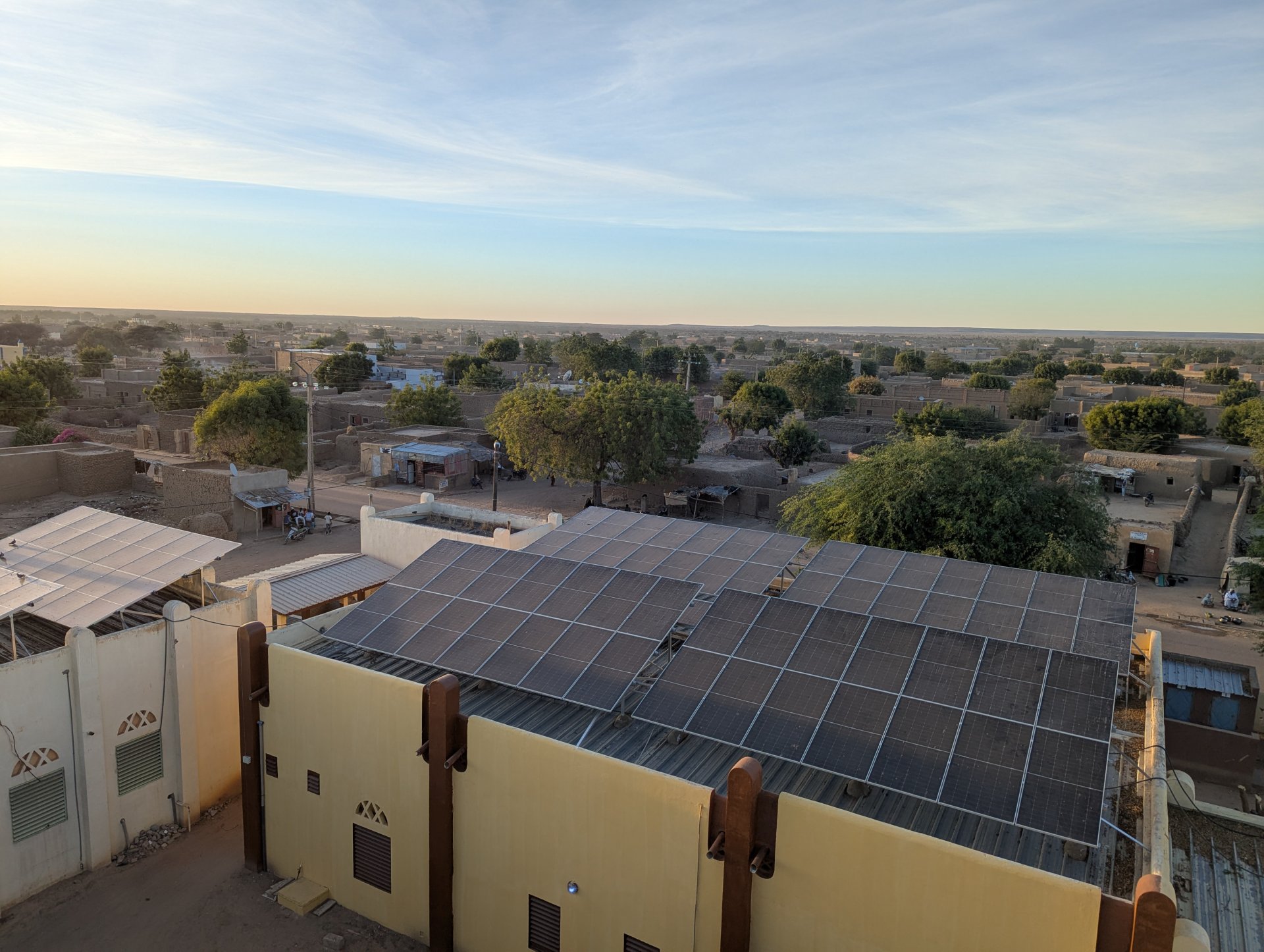
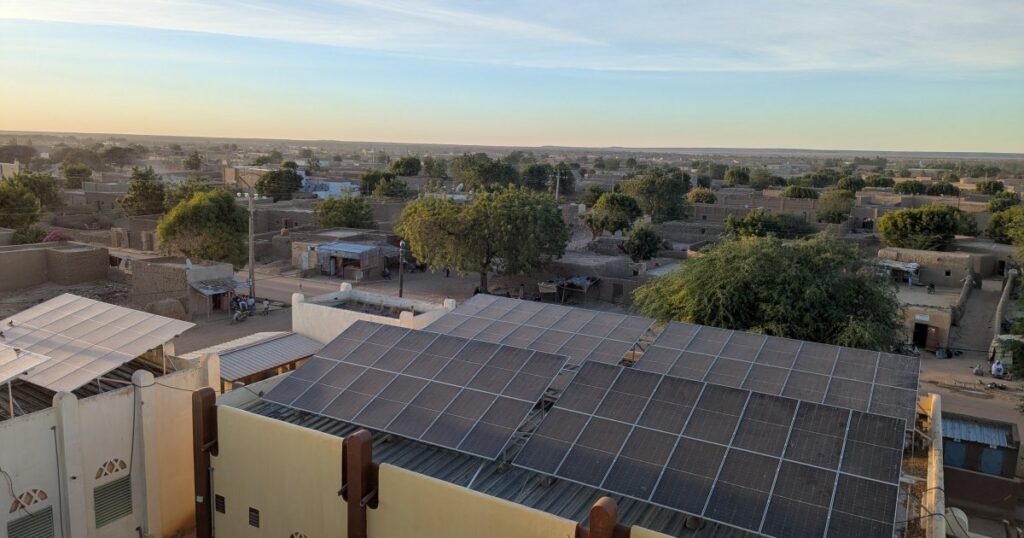
In the Tombouctou region of northern Mali, Médecins Sans Frontières (MSF) has installed a new solar power system at Niafounké hospital. This transition to renewable energy enhances the hospital’s self-sufficiency and ensures uninterrupted medical care in a region plagued by both isolation and security challenges.
Breaking free from diesel dependency
Previously, the hospital relied almost entirely on a diesel-powered thermal plant, which frequently experienced power outages. Medical teams had to depend on daily generator use—an unreliable and costly solution. The new photovoltaic solar system now covers approximately 60% of the hospital’s energy needs, significantly reducing its reliance on diesel.
“This energy transition drastically cuts generator-related expenses, including fuel and maintenance, allowing us to redirect resources toward patient care,” explains Souleymane Ouattara, MSF’s project coordinator in Tombouctou. “It ensures the continuity of critical services like oxygen concentrators in neonatology and pediatrics, emergency surgeries, obstetrics, laboratory operations, ultrasound machines, and the cold chain essential for blood transfusions.”
A hybrid energy system for 24/7 reliability
The installation features a 90 kWc solar capacity, supported by a 210 kWh lithium battery storage system and an 80 kVA backup generator. This hybrid setup seamlessly switches between solar power, the city’s electrical grid, and the generator, guaranteeing a steady energy supply day and night.
Stability in crisis: a lifeline for displaced families
For patients like Fadi, a displaced mother from the village of Léré, reliable healthcare is a matter of survival. After fleeing armed threats, she and her children found refuge in Niafounké. “I left everything behind because armed men ordered us to leave,” she shares. “Now, I bring my son Ousmane to the pediatric unit for treatment.” In a region marked by displacement and hardship, dependable medical services are invaluable.
MSF’s green initiative: sustainability meets medical care
This project aligns with MSF’s Green Initiative, a global strategy to reduce the environmental footprint of its operations while improving efficiency. For years, MSF has deployed hybrid solar systems across the Sahel to minimize dependence on costly, polluting diesel fuel—a logistical challenge in remote areas.
The shift to solar energy stabilizes the hospital’s essential services, from laboratories to refrigeration units, improving working conditions for staff and the quality of care for patients. In a fragile humanitarian landscape, solar power is more than a technical solution—it’s a catalyst for autonomy, resilience, and hope.
MSF’s ongoing commitment to health in Niafounké
Since 2019, MSF has run a pediatric project at Niafounké hospital, treating children under 15. The organization also supports four community health centers and conducts primary healthcare activities in isolated villages across the Gourma region in Tombouctou.