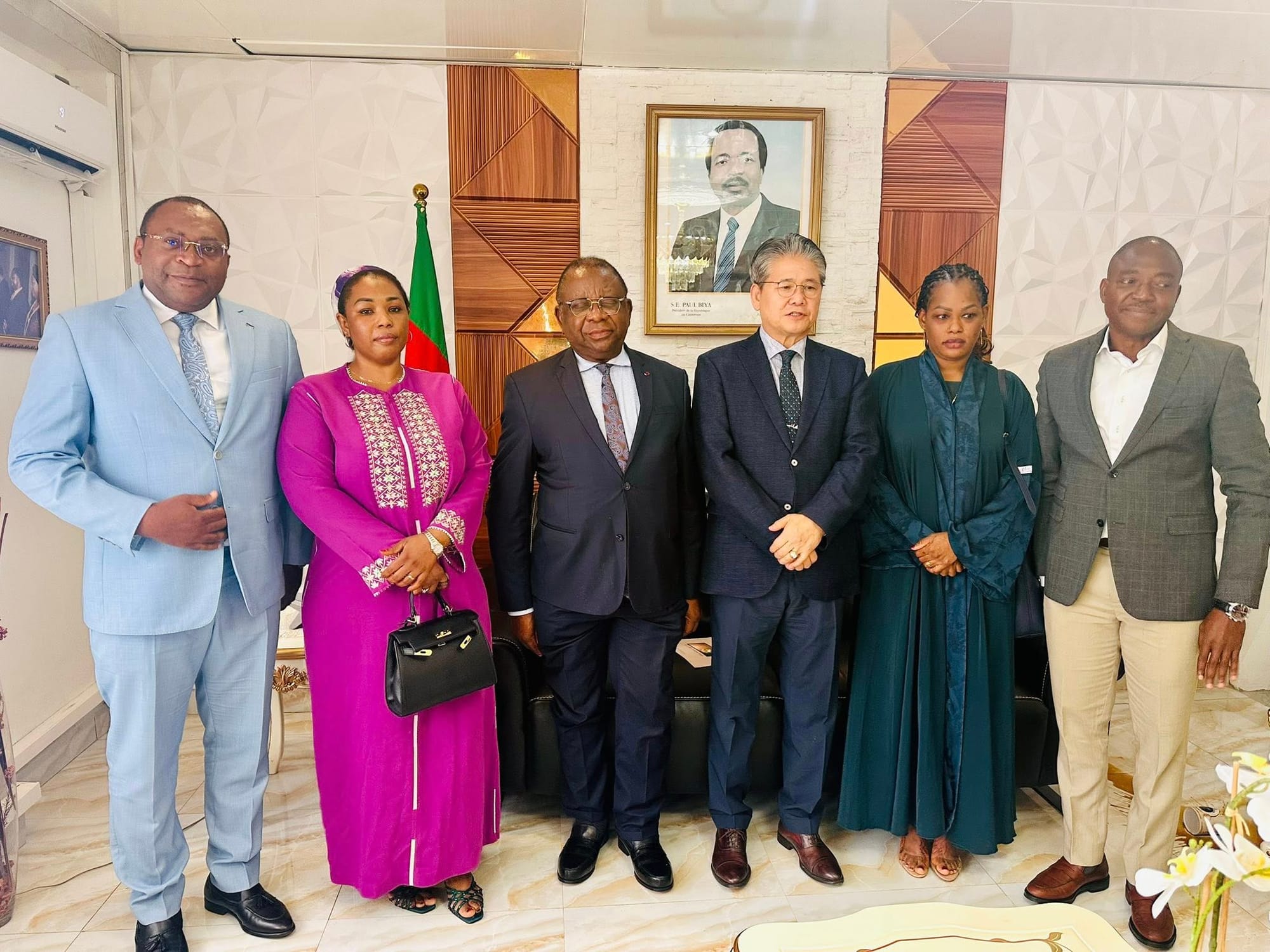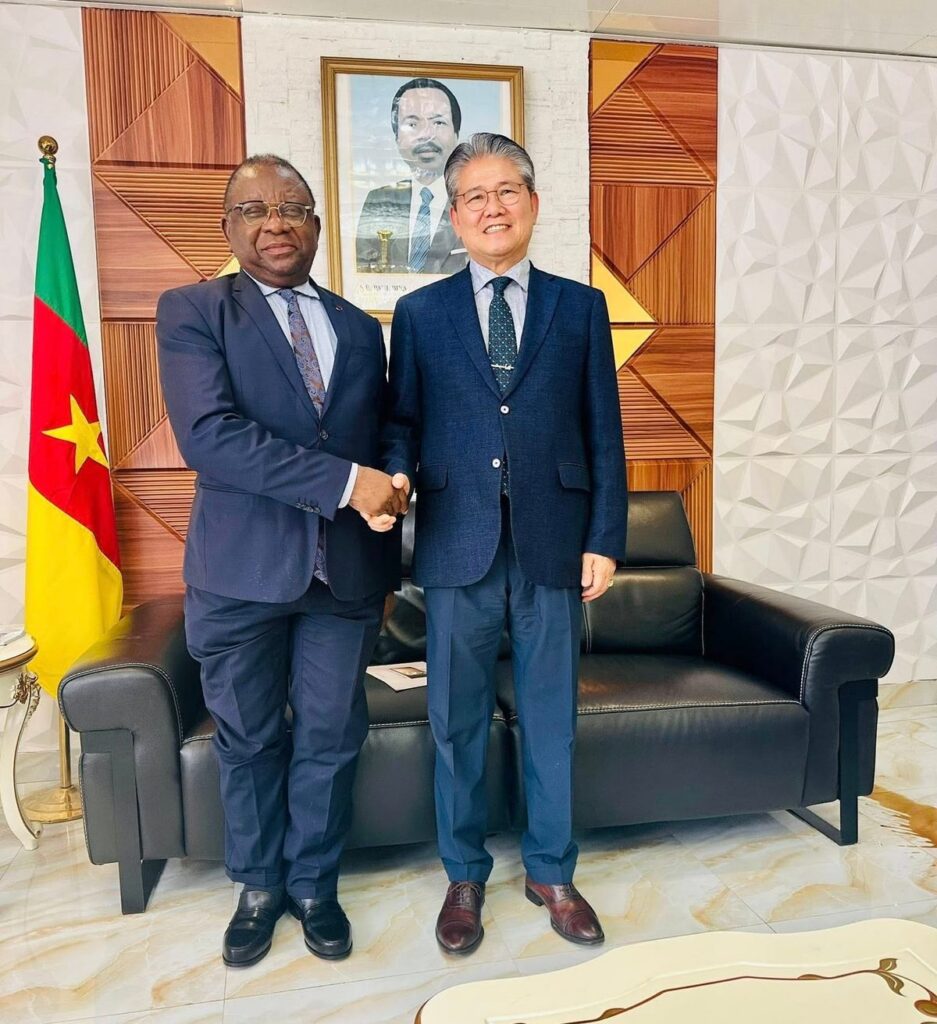
In a significant move to overhaul the local economy and strengthen international trade ties, Cameroun is paving the way for a major partnership with South Korean industry. Dr Hae-Jung Jung, a prominent industrialist, recently concluded a high-level working session in Yaoundé with the Minister of Commerce, Luc Magloire Mbarga Atangana. This visit follows a strategic outreach initiated by the Minister in late 2024 to find new, direct markets for the nation’s agricultural output.
The discussions centered on the immense potential of Cameroonian cocoa. After rigorous laboratory testing confirmed the superior quality of the beans, Dr Jung indicated that his firm—which operates extensively across global markets including Chine—has the capacity to absorb approximately 150,000 tonnes of cocoa. This represents half of the country’s total annual production, offering a transformative opportunity for local planters through shortened supply chains and increased international exposure.
Expanding beyond agriculture: High-tech industrial parks
The vision for this partnership extends far beyond the cocoa sector. Dr Hae-Jung Jung expressed a keen interest in establishing large-scale industrial zones within Cameroun. He is currently scouting for 100-hectare sites to implement advanced Corée du Sud technology, mirroring successful models his firm has already deployed in nations such as Nigéria, Ghana, Angola, and Guinée.
Among the immediate priorities is the relocation of manufacturing facilities dedicated to producing porcelain and melamine dishware, as well as various kitchen utensils. Furthermore, the South Korean delegation signaled a commitment to the social sector, particularly through potential investments in healthcare infrastructure.
Minister Luc Magloire Mbarga Atangana welcomed these prospects, noting that they align perfectly with the import-substitution strategy championed by President Paul Biya. By leveraging Cameroun’s institutional stability and its energetic workforce, this collaboration aims to reduce reliance on foreign goods while boosting domestic industrial capacity. The sincerity of Dr Jung’s approach, following over a year of careful consideration, suggests a long-term commitment to the economic emergence of the country.