How Lomé is reshaping West Africa’s security landscape with Moscow and Ankara
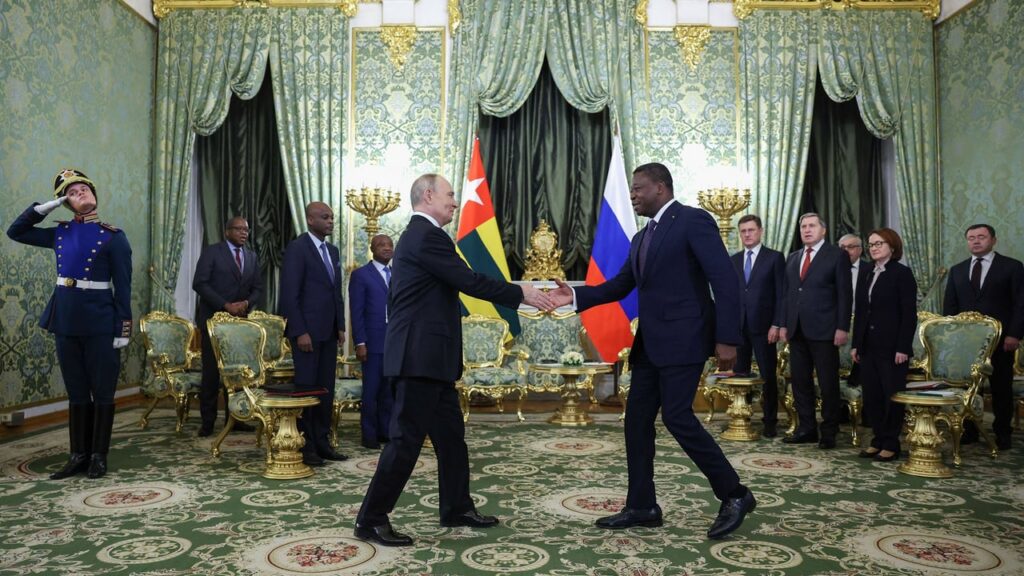
The small West African nation of Togo has quietly emerged as a key player in the Sahel’s evolving security dynamics. Over the past two years, Lomé has diversified its military partnerships, moving beyond traditional Western allies to engage with Russia’s Africa Corps and Turkey. These shifts reflect a broader recalibration in regional defense strategies as jihadist threats intensify across the Sahel.
From covert operations to public partnerships
Togo’s covert collaboration with Ankara began in 2022, when Lomé sought Ankara’s expertise in counterterrorism and logistics. Turkish military advisors reportedly helped establish training programs for Togolese forces, while Ankara provided intelligence-sharing mechanisms to monitor jihadist movements in the region. These efforts culminated in 2024 with the construction of a discreet airbase in the northern Savanes region, near the border with Burkina Faso. Satellite imagery suggests the facility includes runways capable of accommodating drones and light aircraft, though Lomé has never officially confirmed its existence.
By 2025, Togo’s security calculus had expanded further. Reports of Russian military personnel operating in Togo surfaced in early 2025, coinciding with the deployment of Africa Corps units—Moscow’s rebranded intervention force in Africa—to several West African capitals. While Togolese officials have denied hosting permanent Russian bases, sources indicate that Russian contractors have been involved in training elite units and providing logistical support for counterinsurgency operations.
A balancing act amid regional instability
Togo’s pivot toward Moscow and Ankara is not without risks. The country shares borders with two of the Sahel’s most fragile states: Burkina Faso and Niger, both of which have seen military coups and escalating jihadist violence in recent years. Analysts suggest Lomé is hedging its bets, seeking to bolster its defenses while avoiding overreliance on any single foreign power.
Faure Gnassingbé, Togo’s long-serving president, has framed these partnerships as essential to regional stability. In a rare public statement on the matter, he emphasized the need for “proactive defense measures” against transnational threats. However, critics warn that deeper ties with Russia could strain relations with Togo’s traditional partners, including France and the United States, both of which have maintained military presences in the region for decades.
What’s at stake for Togo and the wider Sahel
The implications of Togo’s new alliances extend beyond its borders. The country’s strategic location—situated between Ghana, Benin, and the Sahel’s conflict zones—makes it a critical player in West Africa’s security architecture. By welcoming Russian and Turkish involvement, Lomé is signaling its willingness to explore non-traditional security arrangements, a move that could reshape power dynamics in the region.
Yet questions linger about the long-term impact of these partnerships. Can Togo effectively integrate foreign military support without compromising its sovereignty? Will Russia’s Africa Corps and Turkey’s evolving role in Africa deepen or diminish regional cooperation against jihadist groups? As the Sahel’s security crisis shows no signs of abating, Lomé’s choices will be closely watched by neighbors and global powers alike.
More Stories
Can Barrick Gold’s Loulo-Gounkoto ‘peace deal’ survive Mali’s corruption storm?
Can Niger still call itself a state of law after jailing lawyer Abdourahamane Lirwana?
Can Benin replicate its 2023 financing success with 328 billion FCFA in 2026?