Tshisekedi’s Gabon Visit Revives Historic Ties and Boosts Regional Cooperation
Libreville, Saturday, August 15, 2026 — President Félix-Antoine Tshisekedi Tshilombo’s three-day working and friendship visit to Libreville has set the stage for a renewed diplomatic momentum between Gabon and the Democratic Republic of the Congo (DRC). While the visit followed official protocols, its significance extends far beyond ceremonial gestures, reflecting Africa’s evolving approach to strengthening regional partnerships.
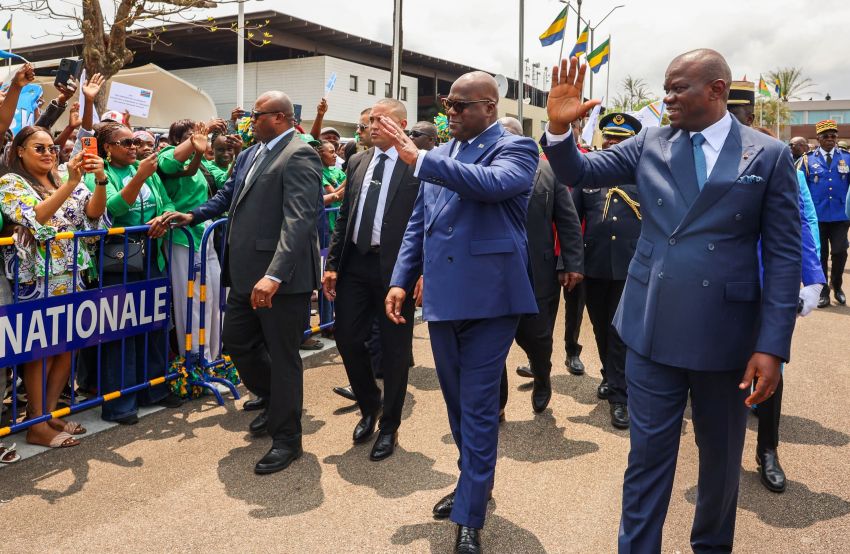
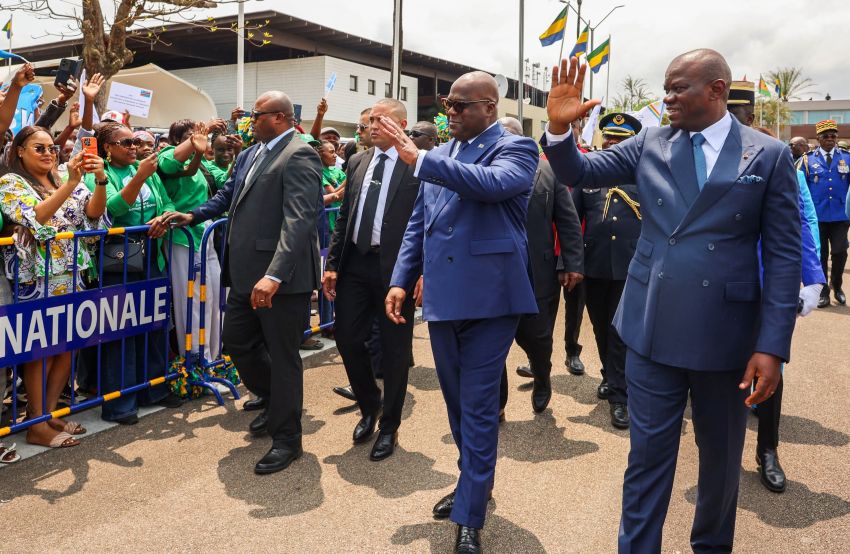
The Congolese leader was warmly received by Gabonese President Brice Clotaire Oligui Nguema, with a public crowd greeting Tshisekedi as he walked through Libreville. This enthusiastic welcome underscores the deep historical, cultural, and diplomatic ties binding the two nations. Their growing collaboration arrives at a pivotal moment when intra-African cooperation is increasingly viewed as essential for advancing the continent’s collective interests in a shifting global landscape.
Diplomacy Rooted in Shared History
The symbolic significance of the visit was highlighted by the choice of the Léon Mba Memorial as the first official stop. Recently renovated and reopened on August 14, the memorial honors Gabon’s first president and provided a powerful backdrop for the meeting between Tshisekedi and Oligui Nguema.
The DRC president paid tribute to Léon Mba by laying a wreath, attending a biographical presentation, and participating in a moment of silence accompanied by the national anthem. His signing of the memorial’s guestbook further reinforced the historical weight of the occasion.
This gesture was more than a diplomatic formality; it symbolized a commitment to preserving Africa’s collective memory and using it as a foundation for future progress. In a continent where institutional memory often fades, the revival of historical sites and their integration into diplomatic efforts serves as a reminder of the importance of national and continental continuity.
From Friendship to Strategic Partnership
The visit’s true test will lie in translating symbolic gestures into tangible outcomes. While the historical and cultural bonds between Gabon and the DRC are strong, their partnership must now focus on concrete collaborations across economics, trade, culture, education, security, and diplomacy.
Gabon brings valuable assets to the table, particularly in sectors like energy and natural resources, while the DRC’s vast demographic, territorial, and economic potential makes it a key player in Central Africa. A closer Gabon-DRC alliance could enhance regional trade, foster new synergies, and strengthen the bloc’s collective bargaining power.
This partnership is especially critical in Central Africa, where efforts to deepen integration and collective action are gaining momentum. Libreville and Kinshasa have an opportunity to set an example by turning their bilateral relationship into a catalyst for broader regional development and prosperity.
The Imperative of Action
This visit occurs at a time when Gabon is redefining its diplomatic and economic positioning, while the DRC faces pressing security, economic, and geopolitical challenges. Against this backdrop, discussions between Oligui Nguema and Tshisekedi carry implications that extend beyond their bilateral relationship.
The challenge now is to convert the warmth of the reception and the strength of symbolic gestures into measurable commitments. A privileged Gabon-DRC relationship will only fulfill its potential if it translates into increased trade, mobility, institutional cooperation, and joint projects.
By beginning his visit with a tribute to Léon Mba, Tshisekedi framed the trip within a narrative of memory, African brotherhood, and shared destiny. The onus now lies on both nations to sustain this momentum through a results-driven diplomacy. Central Africa needs more than nostalgic celebrations of its past; it requires turning historical connections into instruments of collective strength, prosperity, and sovereignty.