
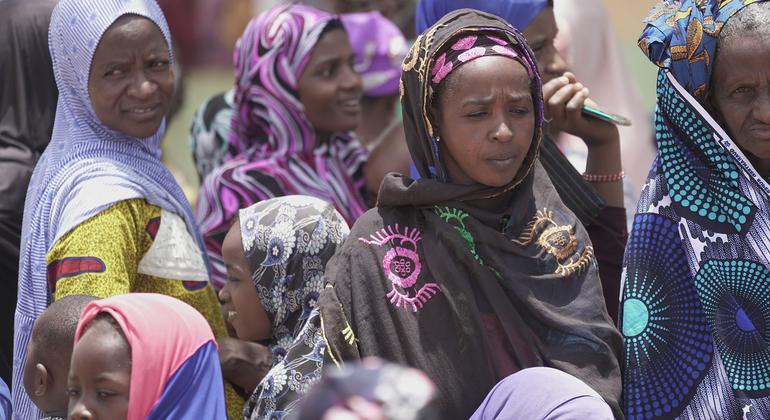
A United Nations committee has raised the alarm over widespread human rights violations targeting the Fulani community in Burkina Faso. Independent investigators report a surge in extrajudicial killings, torture, arbitrary detentions, kidnappings, and enforced disappearances during military and security operations against jihadist groups in the Sahel region. These abuses paint a grim picture of repression and targeted violence.
systematic violations and ethnic profiling exposed
The UN Committee on the Elimination of Racial Discrimination (CERD) has expressed deep concern over the escalating abuses against the Fulani people. According to their findings, these violations are frequently carried out by national armed forces, internal security units, and their auxiliaries—including the Volunteers for the Defense of the Homeland (VDP)—as well as non-state armed groups.
The committee highlighted a disturbing trend of ethnic profiling, with Fulani individuals being systematically targeted by defense and security forces, the VDP, and members of the Civic Brigade for Order and Discipline (known as “Brigade Laabal”). These abuses are often justified by alleged associations with terrorist organizations, fueling a cycle of violence and discrimination.
hate speech and incitement to violence
The situation is exacerbated by a toxic climate of hatred and discriminatory rhetoric, particularly on social media. The CERD has condemned inflammatory messages calling for criminal acts—including murder—against Fulani individuals, warning that such rhetoric contributes to racist attacks and hate crimes. The committee stresses the urgent need for state intervention to prevent further violations and protect vulnerable communities.
call for accountability and legal reforms
The UN committee has urged Burkina Faso to launch immediate, thorough, and impartial investigations into all alleged violations by defense and security forces and their auxiliaries. Perpetrators must be held accountable through fair trials and appropriate sanctions. Beyond accountability, the committee emphasizes the need for legal and preventive measures to combat ethnic and racial discrimination.
Key recommendations include:
- Explicitly criminalizing racial and ethnic profiling in national legislation, in line with international standards;
- Implementing binding operational guidelines for police and security forces to prevent profiling during identity checks, crowd control, and military operations;
- Strengthening mechanisms to monitor and address hate speech and incitement to violence, particularly on digital platforms.
Burkina Faso denies allegations of discriminatory practices
In response to the UN committee’s findings, Burkina Faso has firmly rejected accusations of ethnic targeting, asserting that its security operations comply with national and international human rights laws. Ambassador Sabine Bakyono Kanzie, Permanent Representative of Burkina Faso to the UN Office in Geneva, stated:
The fight against terrorism is not directed at any specific community. It is conducted in strict adherence to national laws and Burkina Faso’s international human rights commitments.
The government claims to have mechanisms in place to prevent stigmatization, including complaint procedures, community policing initiatives, and training programs for defense and security personnel. It also points to the diversity within state institutions and the military, including representation from the Fulani community, as evidence of its inclusive policies.
Critics, however, argue that these measures are insufficient in addressing systemic discrimination and that urgent reforms are needed to restore trust and ensure justice for affected communities.

More Stories
Niger: Tiani faces fallout from special forces anger after Russian intervention
Crisis in Niger, IMF agreement in Sénégal, and Moroccan elections: Five essential stories
RDC-Israël : un rapprochement aux enjeux multiples