
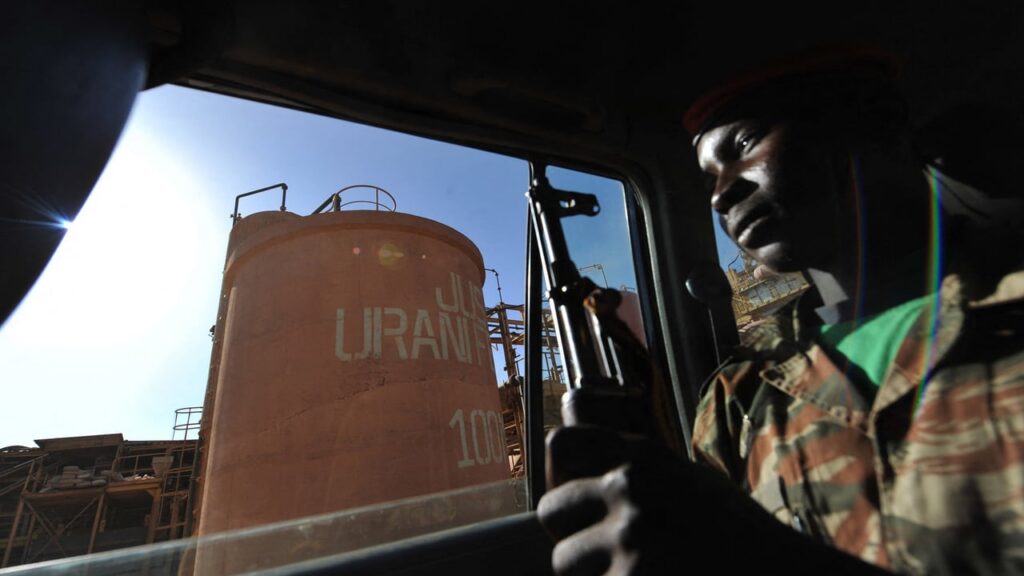

The uranium sector in Niger faces mounting challenges, with legal hurdles and stalled commercial agreements creating a precarious situation for one of Africa’s key mineral producers. Operators at the Arlit mines, a cornerstone of the country’s economy, are navigating a complex landscape where judicial proceedings and trade restrictions intersect, threatening to disrupt decades of steady output.
legal wrangling halts critical uranium operations
Recent court rulings have cast a shadow over uranium extraction activities in Niger, particularly in the northern mining hub of Arlit. A series of injunctions and legal challenges have forced several operators to temporarily suspend operations, citing non-compliance with environmental and labor regulations. These setbacks come at a time when global demand for uranium is rising, leaving stakeholders scrambling to find solutions.
Industry insiders report that the legal impasse stems from disputes between multinational firms and local authorities over concession terms. The lack of clarity in contractual agreements has exacerbated tensions, delaying the resolution of critical operational issues.
environmental concerns take center stage
Environmental advocates have intensified their scrutiny of Niger’s uranium mining practices, pointing to potential contamination risks in surrounding communities. Reports highlight concerns over water pollution and soil degradation, prompting calls for stricter oversight. While mining companies argue that existing measures meet international standards, regulators are under pressure to enforce more rigorous environmental safeguards.
commercial gridlock deepens economic strain
Beyond legal hurdles, Niger’s uranium sector is grappling with a sharp decline in export revenues. International buyers, wary of compliance risks, have scaled back purchases, leaving mining firms with unsold stockpiles. The situation is particularly acute in Europe, where several countries have signaled a shift away from nuclear energy—a key market for Niger’s uranium.
Negotiations to renegotiate existing contracts have stalled, with buyers demanding concessions on pricing and delivery schedules. Meanwhile, Niger’s government is caught between protecting its economic interests and addressing environmental and social demands from local and global stakeholders.
looking ahead: a path to resolution?
Despite the challenges, industry analysts suggest that strategic investments in technology and regulatory reform could help Niger regain its footing. Proposals include adopting cleaner extraction methods and enhancing transparency in licensing processes. However, the timeline for implementation remains uncertain, leaving the future of Niger’s uranium industry hanging in the balance.




More Stories
Niger: Tiani faces fallout from special forces anger after Russian intervention
Mali : 17 morts dans les rangs des dozos, le JNIM accentue sa pression
Sahel : le pari des juntes tourne-t-il à l’échec sécuritaire ?