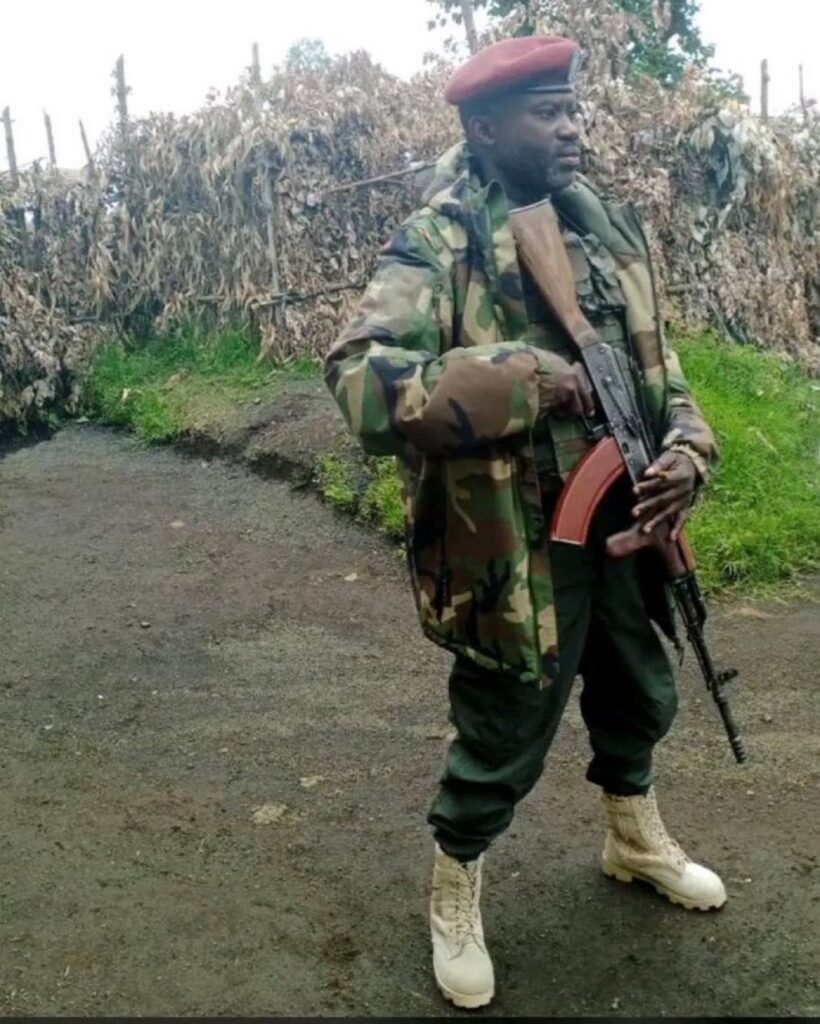
Washington imposes sanctions on a key RDF/M23 rebel architect
The U.S. Department of the Treasury has finally taken action against a central figure in the rebel war machine ravaging the eastern Democratic Republic of the Congo. On June 2, 2026, John Imani Nzenze, the intelligence chief of the RDF/M23 rebel movement—allegedly backed by Kigali—was added to the sanctions list. While the move comes decades too late for countless victims, it marks a symbolic acknowledgment of the violence, looting, and mass displacement that have plagued the region since the late 1990s.
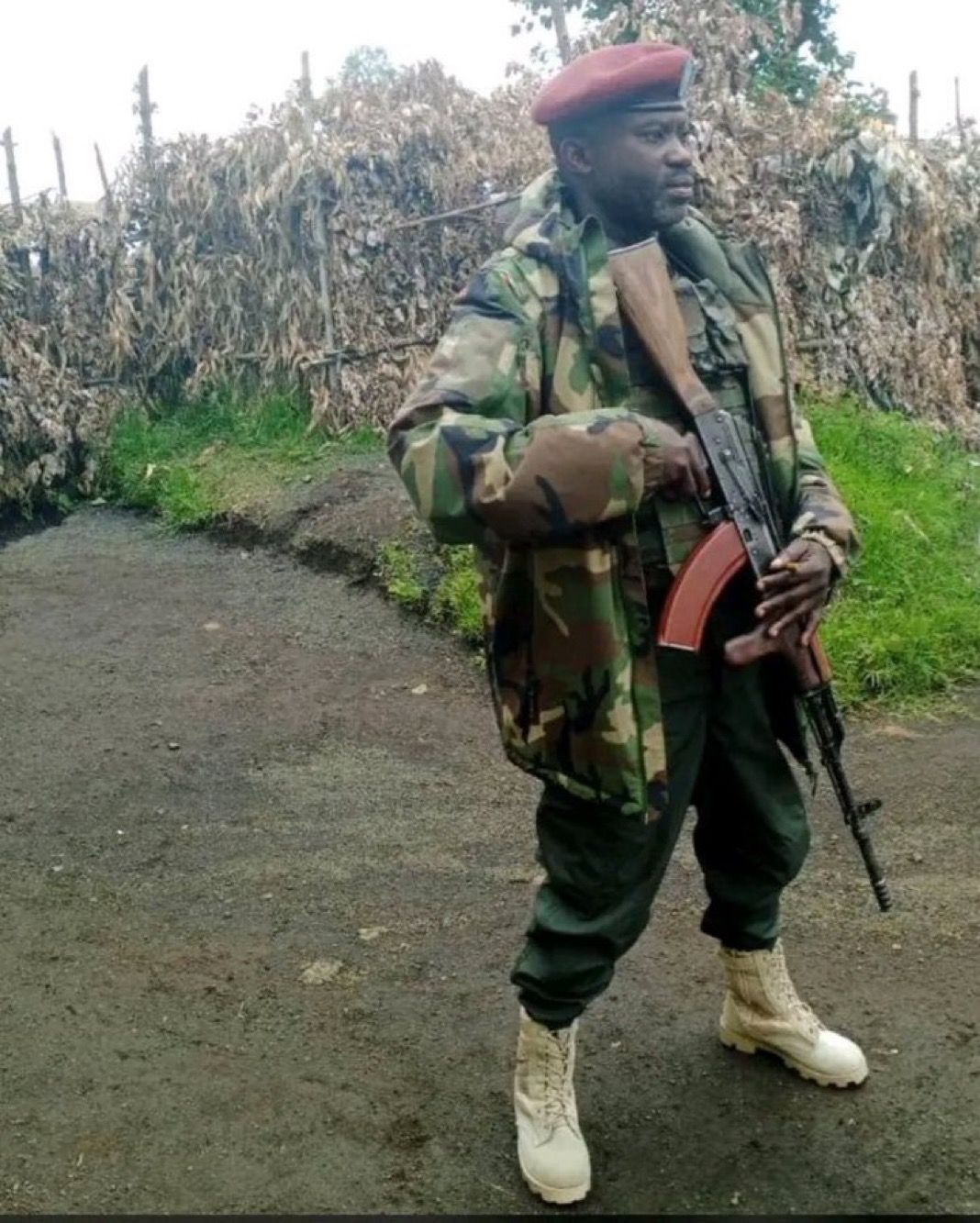
From RCD to M23: a career of rebellion and violence
Nzenze’s name is synonymous with decades of armed conflict in eastern Congo. His military journey began in the late 1990s, when Rwanda and Uganda invaded Congolese territory, sparking the Second Congo War. Under the banner of the Rassemblement Congolais pour la Démocratie (RCD), Kigali installed a proxy rebellion to mask its military occupation of Kivu and the exploitation of the Congo’s vast mineral wealth.
Nzenze was not a newcomer to this shadow war. He was among the first generation of officers who transitioned from the RCD to the Congrès National pour la Défense du Peuple (CNDP)—another Rwandan-backed rebel group accused of war crimes in the 2000s. In 2009, under the March 23 Agreement, some rebel leaders were integrated into the Congolese army as part of a military integration program. Yet this arrangement proved short-lived.
By 2012, Nzenze, alongside Sultani Makenga, abandoned the army to revive the M23 rebel movement. Their stated grievance—the non-implementation of the 2009 accords—served as a pretext for resurrecting a rebellion still steered from Kigali. Since its re-emergence in late 2021, the RDF/M23 has been accused by the United Nations, international NGOs, and Western governments of committing grave atrocities: summary executions, indiscriminate shelling of civilian areas, forced conscription, sexual violence, targeted assassinations, village occupations, mass displacement, and illegal mining operations.
A legacy of terror and impunity
Nzenze’s role in this network was pivotal. The M23’s intelligence apparatus is accused of orchestrating infiltration missions, tracking down political opponents, monitoring local populations, and coordinating with Rwandan Defense Forces (RDF) units secretly deployed in Congolese territory. For years, the RDF/M23 operated with near-total impunity, despite damning reports from UN experts documenting Rwanda’s direct involvement in the conflict.
The U.S. sanctions against Nzenze represent a belated recognition of a long-ignored reality. Kinshasa and Congolese victims have repeatedly denounced the systemic violence and foreign interference fueling instability in eastern Congo. Yet many observers question the limited scope of these measures: why target individuals when the entire apparatus of military and political support continues to fund the war and profit from the chaos?
The deeper crisis: a 30-year strategy of destabilization
To the Congolese people, the M23 is not an isolated rebellion but the latest chapter in a decades-old regional strategy aimed at maintaining instability in eastern DRC. The goal? To control the region’s natural resources while preserving Rwanda’s military and economic influence over Congolese territory. Mines in areas like Rubaya have fallen under rebel control, displacing thousands of civilians who now flee relentless fighting in North Kivu.
As sanctions target a single figure, the broader question remains: when will the international community confront the root drivers of this conflict—foreign backing, resource exploitation, and unchecked impunity?