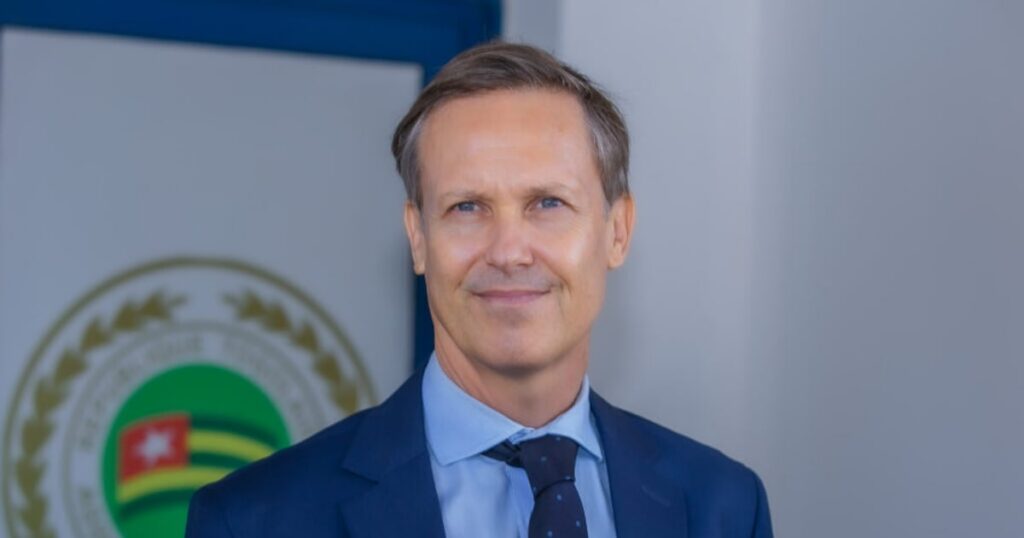
The European Union (EU) has reaffirmed its commitment to deepening ties with Togo amid a backdrop of escalating global tensions. Speaking at the European Day celebrations in Lomé, Gwilym Ceri Jones, Head of the EU Delegation to Togo, underscored the importance of European values while addressing pressing geopolitical and security challenges gripping the world today.
Europe’s reliability in times of crisis is a recurring theme in the EU’s messaging, with Jones emphasizing that the bloc remains a steadfast partner for African nations, particularly Togo. «In these turbulent and uncertain times, the EU stands as a stable and dependable ally, rooted in respect for international law,» he stated. The partnership between the EU and Togo has already delivered tangible results, including development aid programs, economic initiatives, and social support projects.
Key achievements include:
- Energy access: Over 1.3 million Togolese citizens now have reliable electricity thanks to EU-funded electrification programs.
- Waste management: More than 2.5 million people benefit from improved waste collection and treatment systems.
- Infrastructure upgrades: The ongoing rehabilitation of the RN2 highway, connecting Lomé to the Benin border, is enhancing regional connectivity.
A strategic pivot toward renewable energy is also on the agenda, with the EU pledging to support a 18% increase in Togo’s electricity production through renewable sources. This move aligns with Europe’s broader climate goals while reinforcing energy security in West Africa.
The EU’s praise for Togo extends beyond infrastructure and energy. The country has welcomed 60,000 refugees in its northern regions, demonstrating both humanitarian commitment and regional stability. Additionally, Togo’s diplomatic role as a mediator in the Sahel and Great Lakes regions has earned recognition, as have its security forces for their efforts against terrorism.
Why the timing matters is critical in this context. As neighboring Sahel nations grapple with instability and growing tensions with Western powers, the EU is strategically locking in Togo as a key ally. By positioning Lomé as both a shield and a mediator, Brussels secures a buffer against potential spillover threats toward the Gulf of Guinea. The EU’s endorsement of Togo’s security contributions—particularly its refugee policy and counterterrorism efforts—reflects a deeper geopolitical strategy: fostering a reliable partner that can stabilize the region while advancing Europe’s own interests.
What emerges is a relationship far beyond aid or development assistance. The EU’s investments in Togo—whether in electrification, waste management, or infrastructure—serve a dual purpose: they improve lives while reinforcing social stability in a nation where access to basic services can sway public sentiment. The planned 18% boost in renewable energy production underscores Europe’s push for sustainable growth, a narrative that resonates with global climate agendas. Yet, the most telling indicator of this alliance is the RN2 highway project—a vital trade corridor linking Togo to Benin. Its rehabilitation isn’t just about local development; it’s about keeping economic lifelines open for both African markets and European trade.
At its core, however, this partnership is about security. By commending Togo’s refugee policy and diplomatic mediation, the EU is essentially outsourcing regional stability. While Togo isn’t directly battling jihadist groups, it absorbs both migration flows and diplomatic pressure, acting as Europe’s final bulwark before instability reaches the Gulf of Guinea. The praise for Togo’s defense forces isn’t mere diplomacy—it’s an acknowledgment of their role as an indispensable regional enforcer. This isn’t just cooperation; it’s a calculated geopolitical bargain where the EU gains a dependable African partner, and Togo secures investment, influence, and enhanced security in return.