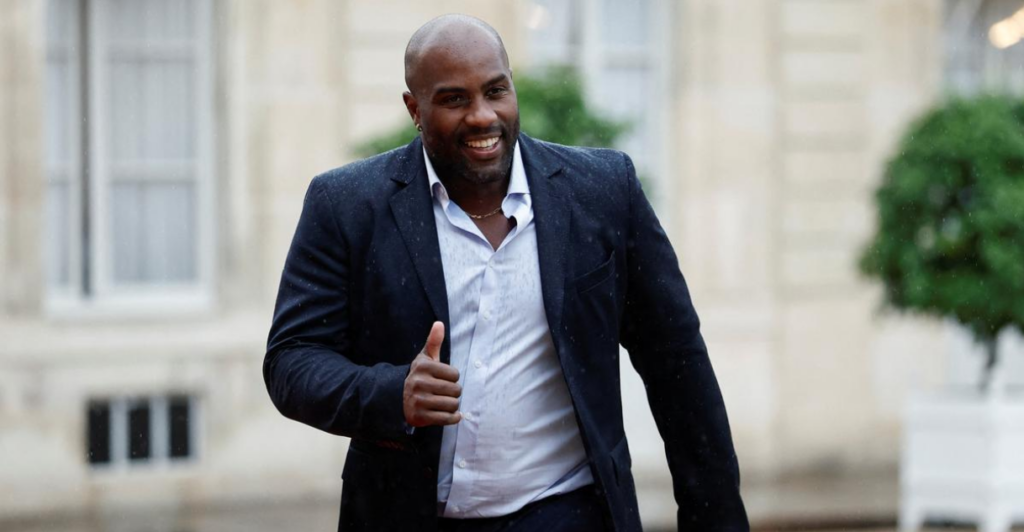
With the 2027 French presidential election on the horizon, over 30 individuals have publicly declared their candidacy or intent to run for the Élysée Palace. Among them are seasoned politicians, civil society leaders, and even Olympic champion Teddy Riner. Yet, the path from announcement to ballot access is far from straightforward—it hinges on securing 500 endorsements from elected officials. Failure to meet this requirement could derail even the most ambitious campaigns, leaving aspirants struggling to turn their presidential dreams into reality.
Why the 500-endorsement rule matters for voters and businesses
In France, simply declaring a candidacy doesn’t secure a place on the ballot. The law mandates that presidential hopefuls obtain 500 endorsements, or parrainages, from elected representatives across the country. These signatures must come from mayors, members of parliament, regional and departmental councilors, and other legally authorized officials. The threshold isn’t just a procedural formality—it serves as a safeguard to ensure candidates have broad-based support rather than a narrow, localized network.
For voters, this rule helps filter out candidates with minimal political or territorial backing, reducing the risk of frivolous or unrepresentative runs. For businesses, the unpredictability of final candidate lists introduces uncertainty in economic planning, as policies from fringe candidates could disrupt market stability if they somehow gain enough traction.
The strict geography behind the signature hunt
Securing 500 endorsements isn’t just about quantity—it’s about spread. Eligible signatories must come from at least 30 different departments or overseas territories. Even then, no single department can contribute more than 10% of the total endorsements (i.e., 50 signatures at maximum). This geographic constraint prevents candidates from relying on a concentrated block of support in one region, forcing them to build broader alliances.
For independents or outsiders like Teddy Riner, this can be particularly challenging. Without a traditional political machine, candidates must invest significant time in persuading local officials—many of whom may prioritize established party candidates. The clock is ticking; endorsements must be submitted to the Constitutional Council by 12 March 2027 at 6:00 PM.
Eligibility beyond endorsements: the legal hoops every candidate must clear
Endorsements are only the first hurdle. Candidates must also meet strict legal criteria to run:
- Nationality: Must be a French citizen by birth or naturalization.
- Age: Minimum 18 years old.
- Civic rights: Must enjoy full civil and political rights (e.g., not convicted of a felony or under guardianship).
- Service obligations: Must have fulfilled national service requirements.
- Transparency: Must file asset declarations and interest disclosures with the Constitutional Council.
These conditions aren’t just bureaucratic red tape—they’re designed to maintain the integrity of the election process. Candidates who fail to comply risk disqualification, even after collecting endorsements.
From ambition to official candidacy: the Constitutional Council’s gatekeeping role
Once endorsements and documents are submitted, the Constitutional Council takes over. Its role is twofold:
- Verification: Confirms the validity of each endorsement (e.g., no duplicate signatures, elected officials are properly registered).
- Eligibility check: Validates candidates’ legal status, including citizenship, age, and absence of ineligibility.
If everything checks out, the Council publishes the official list of candidates by 26 March 2027. Those who miss the endorsement deadline or fail scrutiny won’t appear on the ballot—regardless of media attention or public support.
A cautionary tale for outsider candidates
Teddy Riner’s announcement may have grabbed headlines, but his path to the ballot is anything but guaranteed. Like other independents, he must navigate a labyrinth of endorsements while proving his candidacy isn’t a fleeting publicity stunt. The 500-signature rule acts as a rigorous filter, separating serious contenders from those who underestimate the process.
Economic ripple effects: why businesses should watch the endorsement race
The unpredictable nature of who ultimately qualifies creates ripple effects across industries. Campaign promises from fringe candidates may never see the light of day, but their elimination isn’t certain until the Constitutional Council’s ruling. For sectors like finance, energy, or labor, this uncertainty demands agile risk management strategies.
Consider the following:
- Policy volatility: A candidate who fails to secure endorsements but advocates extreme policies could still sway public debate, impacting market sentiment.
- Campaign spending caps: Even eliminated candidates’ spending is subject to scrutiny, potentially diverting funds that could have benefited viable campaigns.
- Second-order effects: Local economies tied to a candidate’s regional stronghold may face slowdowns if their endorsements fall short.
What’s next for presidential hopefuls?
The first round of the 2027 presidential election is set for 18 April, but the real race is happening now. Candidates must spend the next few months:
- Building coalitions: Convincing elected officials outside their immediate circles to endorse them.
- Navigating legal nuances: Ensuring all filings (asset declarations, interest forms) are error-free.
- Managing public perception: Balancing media engagement with the grind of endorsement collection.
The 500-signature rule isn’t just a hoop—it’s a test of endurance, strategy, and legitimacy. Those who fail to clear it risk fading into obscurity, while those who succeed face an entirely different challenge: convincing the French people to vote for them.
Key takeaways for citizens and businesses
The 2027 French presidential election isn’t just about the candidates who make headlines—it’s about the ones who meet the rigid criteria set by law. For voters, the endorsement process ensures that only serious, representative candidates appear on the ballot. For businesses, it underscores the need to monitor not just frontrunners but the broader field, as sudden inclusions or exclusions can reshape the political landscape overnight.
As the clock ticks toward the 12 March deadline, the spotlight will shift from announcements to endorsements. The race for the Élysée is on—but the real marathon has only just begun.