Algeria’s latest commercial offensive into Niger has set off alarm bells among local business owners and farmers, as 1,050 tonnes of Algerian goods—including dates, detergents, packaging, and salt—rolled across the border in late 2026. The shipment, carried by 25 high-capacity trucks from Adrar, marks another step in Algeria’s push to expand its footprint in West African markets. But for Nigerien producers, the question is urgent: will their industries survive this influx of foreign competition?
The rise of imported goods and the strain on local farmers
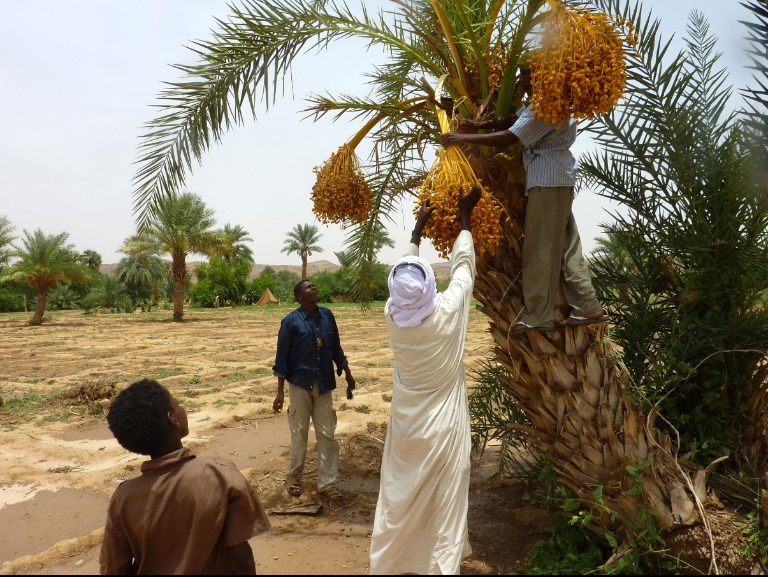
The arrival of Algerian dates, in particular, has intensified pressure on Nigerien date producers in the Kawar region, where families for generations have cultivated palm varieties in the harsh Sahara. With lower yields, water scarcity, and outdated processing equipment, local growers struggle to match the volume and presentation of imported alternatives. Market traders, seeking cost-effective options, increasingly favor Algerian dates—often cheaper and more readily available—leaving Nigerien farmers with dwindling sales and tighter margins.
While the Algerian shipment may benefit consumers through wider choice and lower prices, it risks accelerating the decline of a sector vital to some of the country’s poorest communities. Without support for better farming techniques, irrigation, or market access, the local date industry could face irreversible decline.
Small industries buckle under the weight of foreign imports
The impact isn’t limited to agriculture. Algerian detergents and packaging materials are entering the Nigerien market at competitive prices, putting additional pressure on small manufacturers who already face high production costs, unreliable supply chains, and limited access to financing. Reports indicate several local firms have been forced to close in recent years due to unsustainable competition from cheaper foreign goods.
For distributors and end-users, these imports may offer immediate benefits—cheap availability, consistent quality, and convenience. But for the industrial base of Niger, the long-term consequences are concerning: job losses, reduced investment in domestic production, and a possible erosion of industrial independence. The question now is whether local producers can innovate, upgrade, and access fair market conditions—or whether they’ll be priced out of existence.
Regulators step in: quality checks or real protection?
In response to growing concern, Niger’s Ministry of Commerce and Industry launched a product inspection program in August 2026, aimed at eliminating unsafe, substandard, or non-compliant imports. While this move protects consumers, it does little to address the core issue: the ability of Nigerien businesses to compete on price and quality.
Experts argue that true protection requires more than border controls—it demands investment in infrastructure, access to finance, training for artisans, and support for value-added processing. Without such measures, even compliant local goods may remain uncompetitive against subsidized or mass-produced imports.
A sustainable trade partnership or one-way economic dependence?
Algeria’s trade expansion benefits from geographic proximity and state-backed export incentives. For Niger, however, unchecked import surges could turn the country into a captive consumer market, with little benefit to its own industrial growth. A balanced partnership would encourage not just the sale of goods, but shared production, technology transfer, and regional integration.
The 25 trucks that left Adrar symbolize a turning point—not just in commerce, but in economic sovereignty. The real test will be whether Niger can nurture its own industries in the face of foreign dominance, or if it will become the next African market quietly overtaken by imported goods.